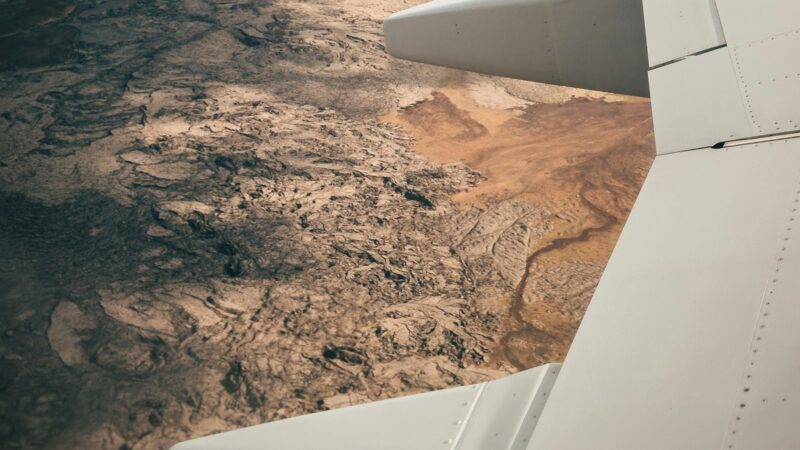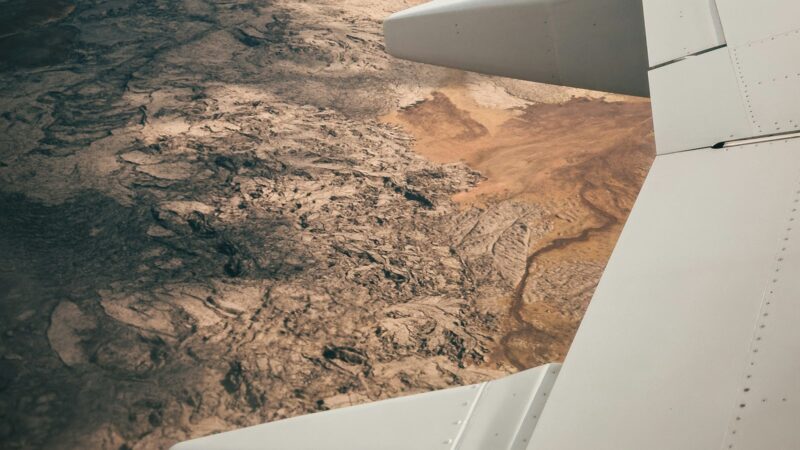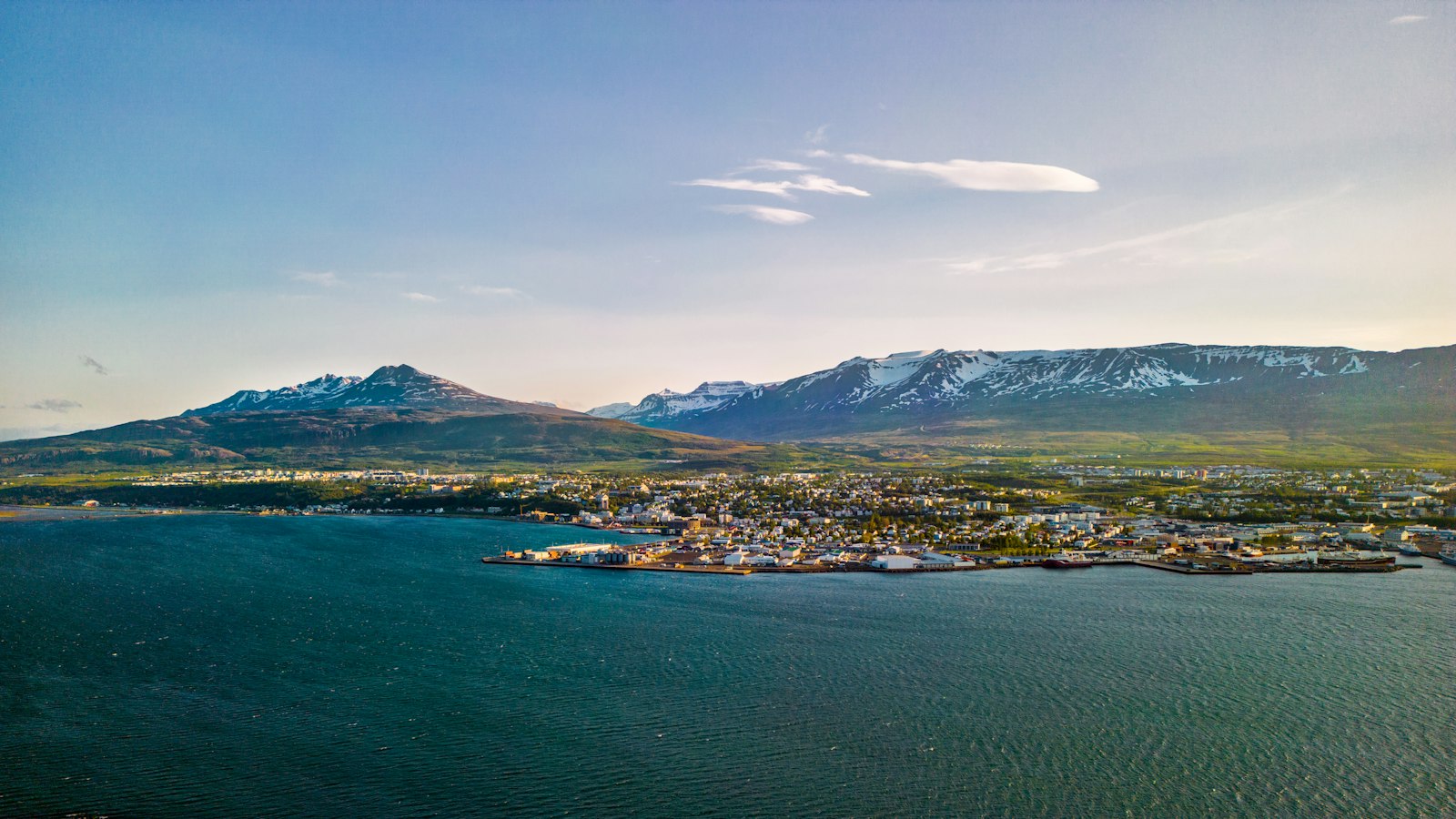
Nestled three kilometres south of Akureyri’s town centre, Akureyri Airport (Akureyrarflugvöllur) stands as the principal aerial gateway for northern Iceland. Over decades, its story has closely followed both technical progress and the growing demands of regional and international travel. Built on an expanded landfill by the Eyjafjörður river delta, the airport’s history mirrors significant shifts in Icelandic aviation.
A legacy built on competition and change
The roots of aviation in Akureyri reach back to 1928, when seaplanes started arriving from Reykjavík, landing directly on Eyjafjörður fjord near town. That first spell of scheduled air travel lasted only three years before the airline folded. By 1937, a new lifeline emerged as Flugfélag Akureyrar began operations. This local company would eventually become a predecessor of Icelandair, the nation’s best-known carrier. In the 1940s, competition intensified when Loftleiðir entered with Grumman Goose seaplanes.
As World War II changed the map of Icelandic infrastructure, the first proper airstrip near Akureyri appeared at Melgerðismelar, some 20 kilometres south. But it was in December 1954 that Akureyrarflugvöllur truly began to take shape. Opening with a 1,000-metre runway on repurposed river delta land, the airport signalled a pivot from fjord and gravel to permanent, modern aviation facilities.
Growing connectivity and pivotal moments
Throughout the decades, Akureyri Airport served as a battleground for competing airlines. Loftleiðir eventually turned its focus to international flights in 1952, leaving domestic routes to its former rival. Domestic fleets evolved from Douglas DC-3s to turboprop Fokkers and eventually to the DeHavilland Canada Dash 8, still in use today. The airport also became a base for ambulance flights in 2006, with Mýflug operating specially equipped aircraft.
Periodically expanded, in 1961, 1970, 1996 and most recently in December 2024, the passenger terminal now supports separate flows for domestic and international travellers. These upgrades include dedicated security and passport control, along with a duty-free shop. A major ramp area expansion opened in October 2023, drawing on landfill from the construction of the Vaðlaheiðargöng tunnel.
Akureyri Airport’s regional role extends well beyond its runways. During the 2010 Eyjafjallajökull eruption, when Keflavík Airport closed, Akureyri temporarily took on international flights at a capacity far beyond its previous limits. This stress test led to renewed investment in infrastructure, including improved runway safety features and new approach guidance systems.
Today, airlines such as Icelandair, Norlandair and other seasonal operators connect Akureyri to Reykjavík, northeast Iceland, and Greenland, as well as routes to Europe through easyJet, Edelweiss Air and Transavia. Plans led by Isavia seek to further expand Akureyri’s international reach and enhance its capacity as a backup to Keflavík.
Linked by Route 1, Akureyri Airport is a central hub not just for the town itself, but also for the broader region: Siglufjörður, Ólafsfjörður, Dalvík, Húsavík and the Lake Mývatn area. Local buses and taxis connect the airport with the town centre and nearby communities, with expanded intercity bus connections planned for 2026.
Sources
- Wikipedia
- Wikipedia (Icelandic) in Icelandic