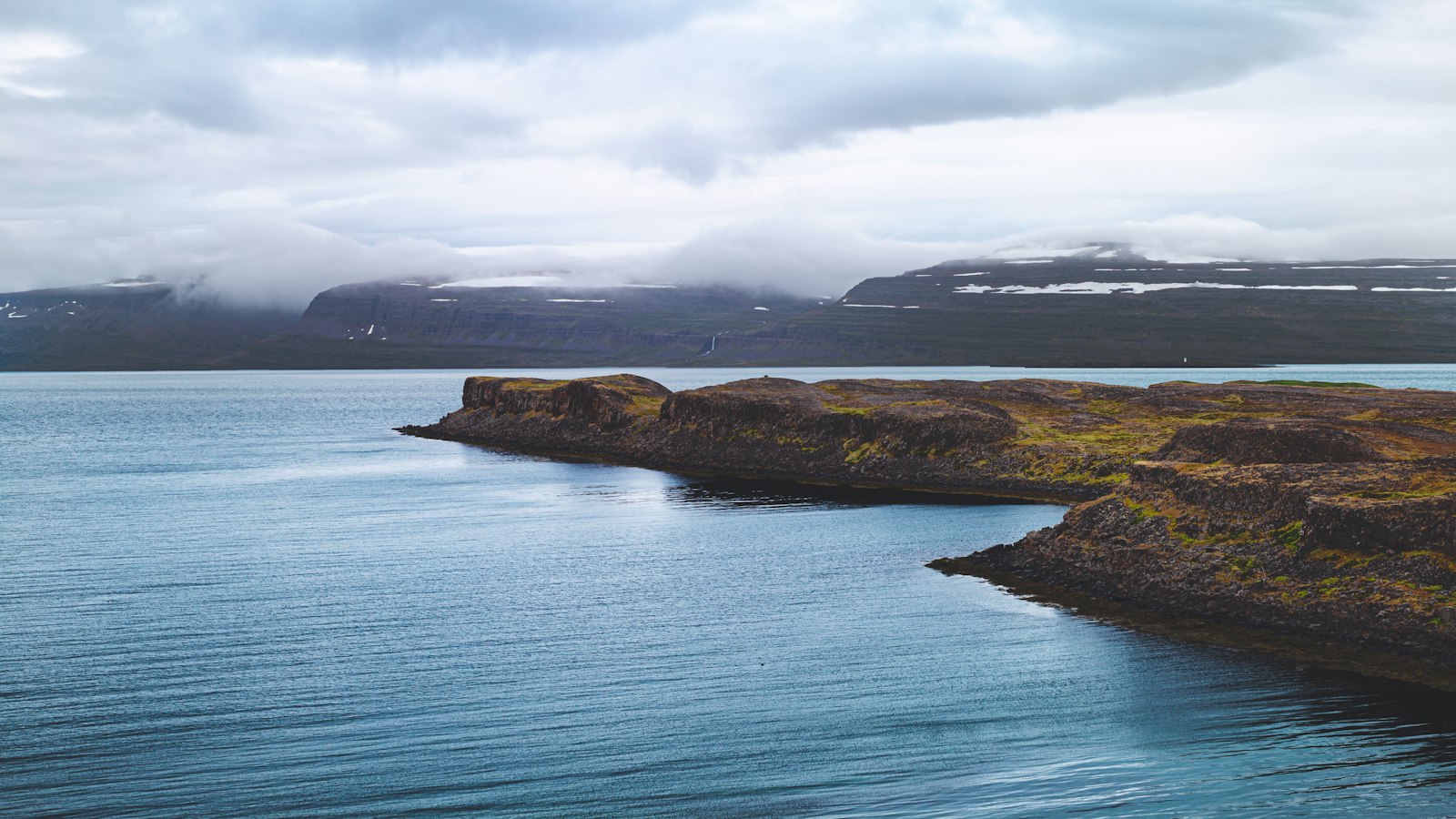
Set near the wide expanse of Ísafjarðardjúp in the Westfjords, Æðey (“Eider Island”) stands out in more ways than one. It claims the title of the bay’s largest island, stretching 2.2 kilometres in length and up to 0.8 kilometres wide. Though its highest rise is a modest 21 metres above sea level (some sources list 34 metres), its low, rolling hills and green vegetation make it a distinct and vital stop for both people and wildlife.
An enduring farm and family legacy
Æðey has been shaped by human hands for centuries. A significant turning point came in the 19th century when a manor house, or höfuðból, was built by Guðmundur Rósinkarsson and Guðrún Jónsdóttir. This farm became home to generations of their descendants. Together, the family cultivated fields and raised cattle, geese and sheep. Notably, they harvested eiderdown, the extraordinarily soft feathers prized across Iceland and beyond, carefully balancing their presence so as not to disturb the colonies of common eider ducks that nest throughout the island. Every summer, members of the same family still maintain these traditions, living on the island, tending to farm animals and gathering eiderdown with respect for the birds that give the island its name.
Sheep, one of the mainstays of Icelandic farms, are often shipped to the mainland during the summer, to avoid interfering with sensitive bird populations like eiders and puffins. The island’s only year-round resident in 2010 was Ólafur Ragnarson, who worked at the local weather station.
Birdlife and an episode of violence
Birds are at the heart of Æðey. Colonies here include the common eider, black guillemots (with a 2022 survey counting about 667 pairs), puffins and various geese. Gulls, fulmars and even mink and marine mammals like humpback whales can sometimes be seen near the shore. The careful undisturbed nesting of these birds, especially eiders, is key to the island’s natural rhythm, and to the livelihood of its human caretakers.
While today’s pace is set by farming and bird-watching, Æðey has known episodes of hardship. In 1615, during the so-called “Slaying of the Basques,” five Basque whalers sought refuge on Æðey after their ship wrecked nearby. When the local magistrate learned of their presence, a fleet was sent and the whalers were killed, a violent chapter reflecting tense relations in the age of early European whaling.
Modern touches include a lighthouse (first lit in 1949 after wartime shortages delayed operations), a weather station established in 1946 (automated since 2012), and remaining structures for both farming and past religious use. The island once hosted a church and prayer house, underscoring its deep connections to both local community and faith.
Though easily visible from mainland Ísafjörður, Æðey is a world apart: a living link between the wild drama of the Westfjords and the enduring, careful stewardship of Icelandic families.
Sources
- Wikipedia
- Wikipedia (Icelandic) in Icelandic


