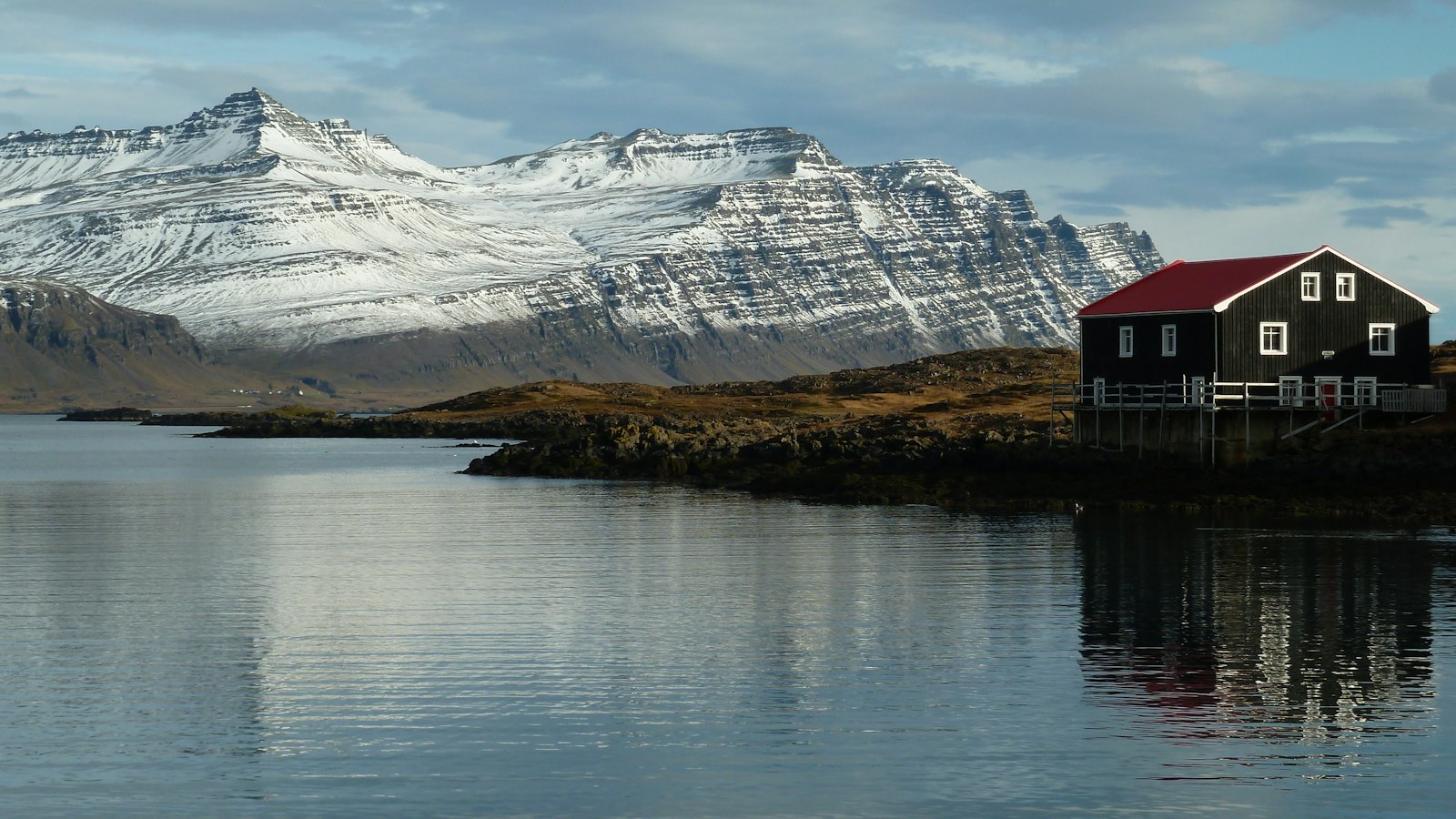
Iceland’s landscape inspires stories, perhaps none more enduring than the legend of Lagarfljótsormurinn, the Lagarfljót Worm. This lake monster, whose name means “the Lagarfljót serpent” in Icelandic, is said to dwell in Lagarfljót, the silty, glacier-fed lake near the town of Egilsstaðir in the east of the country. Over the course of centuries, both chroniclers and locals have recorded sightings, and the creature has steadily grown in national imagination.
Roots in Icelandic folklore and medieval history
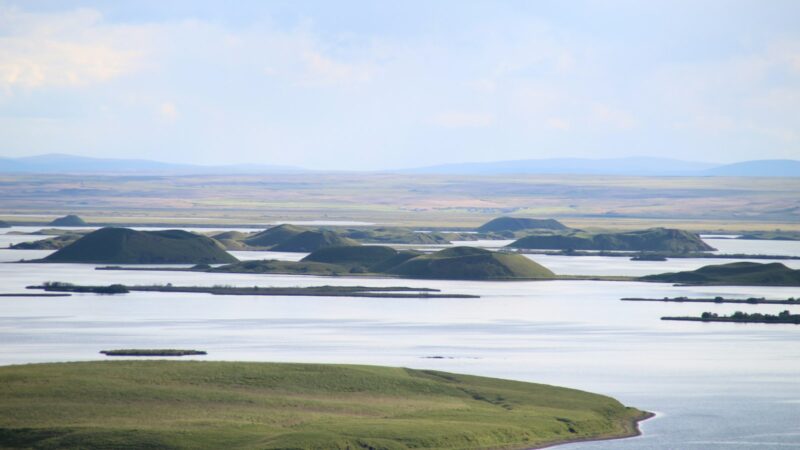
The earliest mention appears in a record from 1345, where annals describe witnessing a “marvel” on the lake, large humps or islands appearing far apart, though with no visible head or tail. Later writers, including poets and bishops in the 16th and 17th centuries, chronicled a giant serpent in their works. Maps of Iceland from as early as 1585 label Lagarfljót as home to a dangerous serpent of unusual size, and legends maintained that its appearance often foretold notable or ominous events.
Oral tradition deepened the tale. According to an enduring folktale published in 1862 by collector Jón Árnason, the origin of the worm lies in a small “heath worm”, likely a black slug, known locally as brekkusnegill. A girl placed her gold ring under this worm, hoping to increase her wealth, only to return days later to find the creature had outgrown the chest and frightened, she tossed both worm and gold into the lake. There, the worm reportedly grew into a dragon-like serpent, bringing trouble to the locals.
Reports persist into modern times
Descriptions of the Lagarfljót Worm usually emphasise its immense size, longer than a bus, reaching up to 12 metres, and featuring multiple humps rising above the water. Unlike Scotland’s Loch Ness Monster, it has rarely been described with a long neck. On occasion, it has also been reported out of the water, coiled on land or moving among the trees.
The murky water of Lagarfljót, opaque due to heavy silt from surrounding glaciers, makes confirmation difficult and perhaps helps the legend endure. As recently as 1963, reputable locals such as the head of the National Forest Service reported strange sightings, and in 1983, workers laying underwater cables encountered an unusually strong disturbance that badly damaged their equipment.
In 2012, national broadcaster RÚV published a video that seemed to show a creature moving through icy waters. While subsequent analysis suggested this could be a fishing net caught in the current rather than a serpent, a local panel narrowly voted to authenticate the film, sparking considerable discussion among locals and folklorists alike.
Lagarfljót is not alone in such legends. Stories of monsters associated with slugs and gold, sometimes described as monsters with many humps or seal-like heads, appear elsewhere in Iceland, including at Skorradalsvatn and Kleifarvatn. Lagarfljót’s monster, however, remains the most firmly lodged in Icelandic cultural memory, maintaining a place in both literature and the landscape itself.
Sources
- Wikipedia
- Wikipedia (Icelandic) in Icelandic