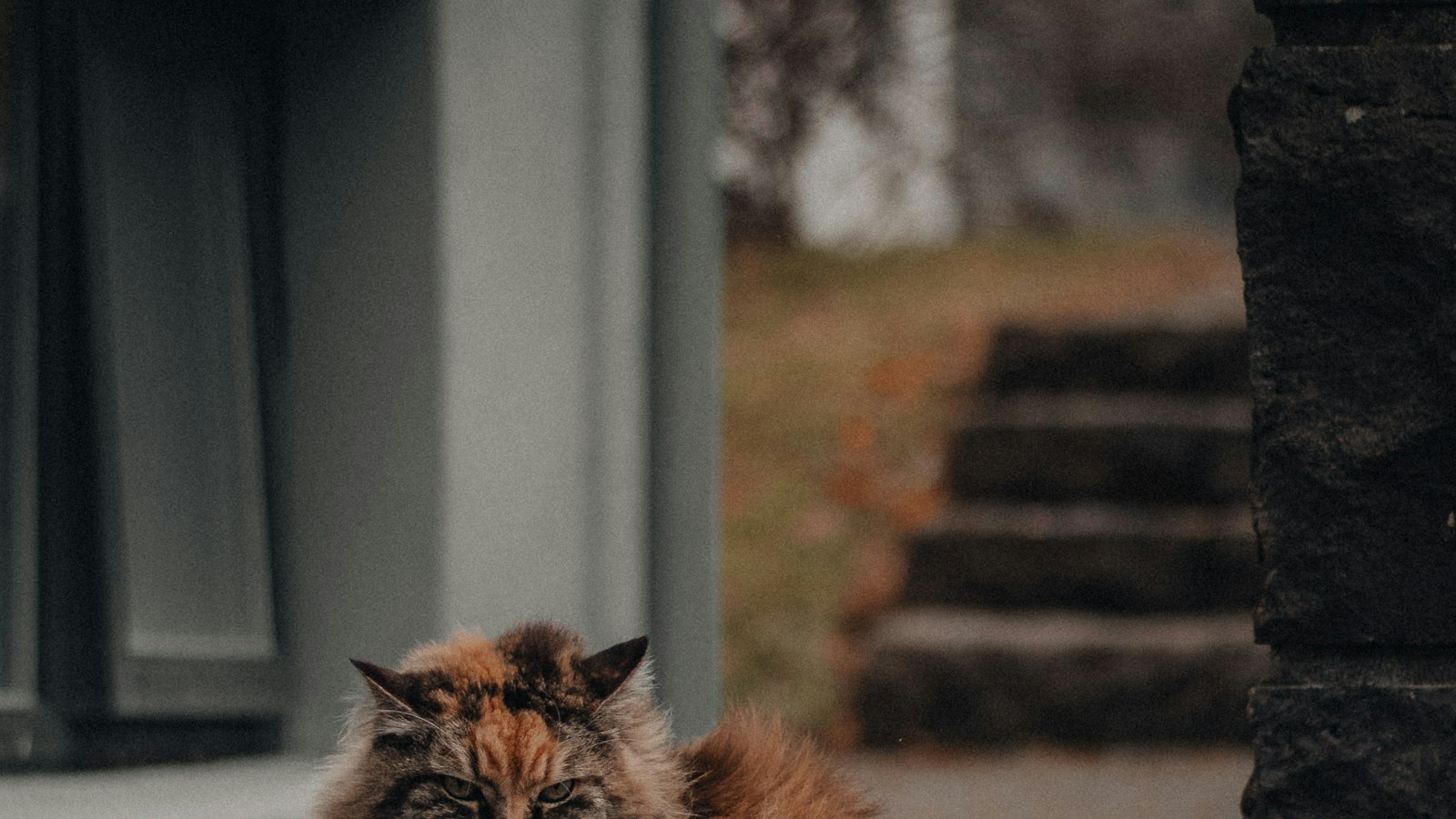
Stories passed down through generations in Iceland often feature harsh nature and supernatural happenings. Among them, ‘Kisa the Cat’ stands out for its blend of animal loyalty, family longing and magical change. First collected in the anthology ‘Neuisländischen Volksmärchen’, this tale has also found a place in Andrew Lang’s ‘The Brown Fairy Book’, introducing it to readers well beyond Iceland.
A queen’s wish and a cat’s cunning
At the centre of the story lies a bond between a royal family and a mysterious cat. The queen, yearning for a child, discovers that her cherished cat has a kitten but she herself remains childless. The cat, demonstrating unusual wisdom, consults a fairy for assistance. Not long after, the queen gives birth to a princess, and the newborn quickly develops a special fondness for the kitten.
As the princess grows, the kitten disappears without explanation. Years pass. One day, while the princess Ingibjorg is playing, she throws her ball further than ever and hears a voice calling to her, claiming to be Kisa, her forgotten sister. Ingibjorg at first cannot remember their connection, but her mother confirms the truth of Kisa’s story.
Trials, cleverness, and transformation
Darkness enters the story when Ingibjorg is taken by a giant and cruelly has her feet cut off. It is Kisa, still in feline form, who comes to the rescue, carrying Ingibjorg away in a cart. Kisa bravely returns to the giants’ lair, slyly salting their food until the giants are forced to leave in search of water. Seizing the chance, Kisa retrieves the princess’s feet and returns them to her.
Reunited with her family but saddened by Kisa’s sudden disappearance, Ingibjorg finds herself at the centre of royal matchmaking. When she finally chooses a prince at a gathering arranged by the king, Kisa mysteriously reappears and asks to spend the wedding night at the foot of Ingibjorg’s bed. By morning, Kisa has transformed into a beautiful princess and reveals that she and her mother had been victims of a fairy’s spell. Kisa is restored, and her story ends with happiness of her own.
The journey of Kisa the Cat weaves together themes of lost family, kindness and resourcefulness. This Icelandic fairy tale provides a window into a culture where animals, magic and fate often intertwine, reflecting deeper hopes and fears beneath Iceland’s windswept surface.


