Garðabær stands as one of Iceland’s largest towns, nestled within the Capital Region and neighboured by Kópavogur and Hafnarfjörður. Despite being home to more than 20,000 residents as of early 2025, the municipality retains traces of its early days, stretching back to the first Norse settlement of Iceland in the 9th century. Its roots are recorded in the Landnámabók, the medieval “Book of Settlement,” which notes two original farms here: Vífilsstaðir and Skúlastaðir.
Where the past shapes the present
Vífilsstaðir carries particular historical weight. It gained its name from Vífill, a slave who was granted his freedom by Ingólfur Arnarson, widely considered Iceland’s first settler. Vífill established his new home in this area, showing that Garðabær’s land was intertwined with the earliest chapters of Icelandic society.
In the centuries since, Garðabær transformed from a rural parish into a thriving municipality. Garðahreppur, as it was known, took its modern form in the late 19th century and acquired full town rights in 1976. A significant change arrived at the turn of 2012–2013, when a vote merged the municipality of Bessastaðahreppur, including the Álftanes peninsula, with Garðabær. This area is best known as the site of the presidential residence at Bessastaðir, a manor farm with 18th-century origins and an official role in modern Iceland.
The townscape itself combines old and new. Reminders of earlier life include a restored 1920s corrugated iron farmhouse on Garðaholt, and the archaeological remains of one of the largest settlement-era longhouses found in the country, at Hofsstaðir. Old hospitals such as Vífilsstaðir remind visitors of 20th-century public health battles, while places like the Icelandic Museum of Design anchor cultural life in the town centre.
A modern hub with nature and culture at its door
Garðabær today is known for both its amenities and its open spaces. The town hosts Iceland’s only IKEA and Costco, and is also home to major businesses such as Marel, a leading company on the nation’s stock exchange. Its TV production studios contributed to international hits like LazyTown, bringing Icelandic creativity to global screens.
Education is also an emphasis. Among seven elementary schools is Sjálandsskóli, which shares space with the International School of Iceland. The local music school is known for its wind bands, while the town boasts a cluster of musicians, including members of well-known groups such as Of Monsters and Men and ADHD.
Sports foster strong community life. Ungmennafélagið Stjarnan, the main club, fields top division football teams, its women’s squad in particular has enjoyed notable national success. Two golf clubs serve the area, including courses that have hosted both Icelandic and international championships, and swimming pools and a frisbee golf course add to leisure choices.
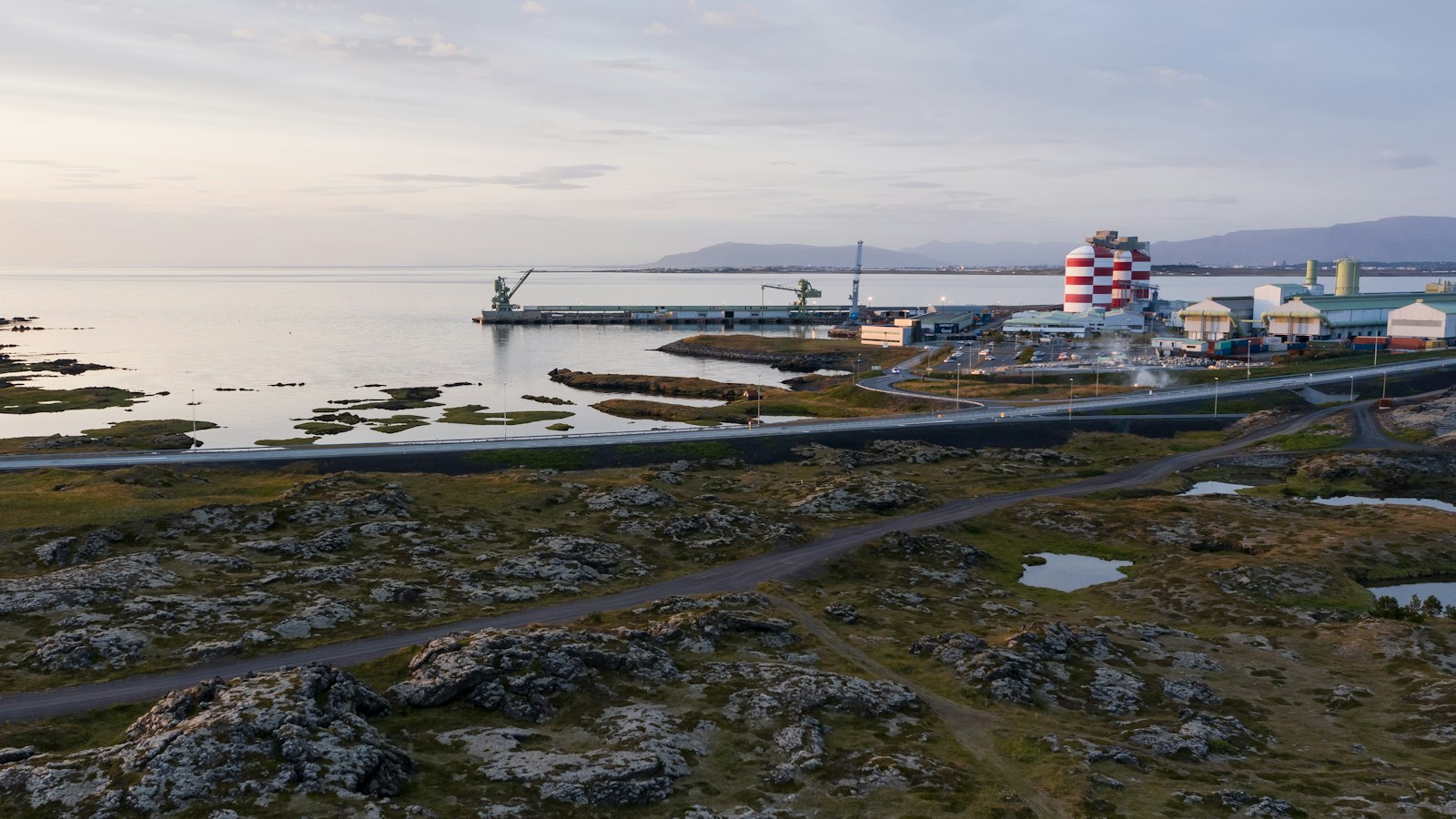
Nature surrounds Garðabær, with protected lava fields, lakes such as Vífilsstaðavatn, and the bird-rich shores of Álftanes. The views from different parts of town reach toward volcanic ridges, the capital Reykjavík, and, on a clear day, even the distant glacier Snæfellsjökull.
Sources
- Wikipedia
- Wikipedia (Icelandic) in Icelandic


