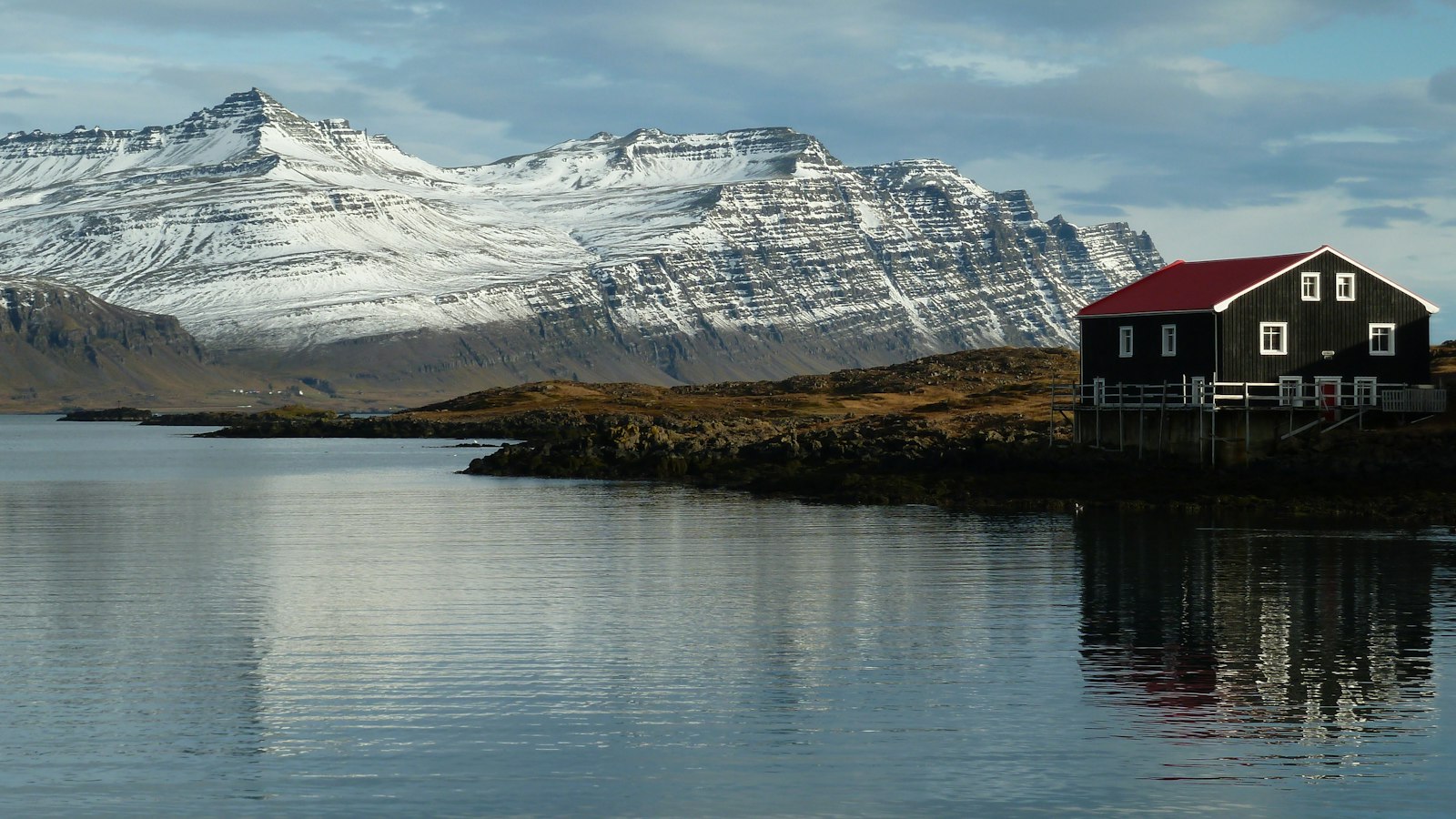
In a country so famous for its volcanoes, glaciers and windswept plains, forests are few and far between. Hallormsstaðaskógur, in east Iceland’s Fljótsdalur valley, stands as the island’s largest managed forest and one of its most diverse woodlands. This 740-hectare area, about 25 kilometres from Egilsstaðir, is a living experiment in reforestation and biodiversity, reflecting over a century of ecological effort.
The beginnings of a national forest
In 1905, small patches of birchwood around Hallormsstaðabær (the Hallormsstaður farm) were granted official protection, making this Iceland’s first national forest. Lands managed under such status are known as National Forests (Icelandic: þjóðskógar). Efforts to shield the woodland from grazing livestock allowed birch to regenerate over 350 hectares. During the following decades, foresters added about 200 hectares of various tree species from around the globe. Today, Hallormsstaðaskógur is home to 85 tree species collected from more than 600 locations worldwide.
As the forest expanded, so did its role as a recreation area, with over 40 kilometres of walking trails, an arboretum, picnic sites and campgrounds. Hallormsstaður village, located within the woods, remains the only settlement in Iceland enveloped by a forest.
A rare habitat for birds, plants and people
Unlike much of Iceland, where trees are few, Hallormsstaðaskógur supports a web of plant and animal life. Tall birches in the original fenced area shelter common redpolls, wrens, goldcrests and even rock ptarmigans and ravens throughout the year. Summer brings songbirds like redwings, snipes and meadow pipits. Birdwatchers may also catch glimpses of Eurasian woodcocks and wagtails in the undergrowth.
The forest’s edible bounty is another draw: mushrooms such as larch bolete and birch bolete thrive in the understorey, with rock bramble, raspberries and redcurrants growing in patches. Families often collect berries and mushrooms to make juice or preserves. Streams cross the landscape, their waters clear and drinkable.
Hallormsstaðaskógur’s trails pass through landscapes rarely found elsewhere in Iceland. Walkers move among woods of larch, pine, Douglas fir and spruce, including specimen trees planted as early as 1908 and 1937. Ruins of a Viking-age horse corral appear along one route, and old farms such as Ormsstaðir recall the region’s past as open grazing land.
At Atlavík, once a notable gathering site, camping, botany and festive traditions continue, linking the present-day forest with layers of Icelandic culture and natural history.
Sources
- Wikipedia
- Wikipedia (Icelandic) in Icelandic


