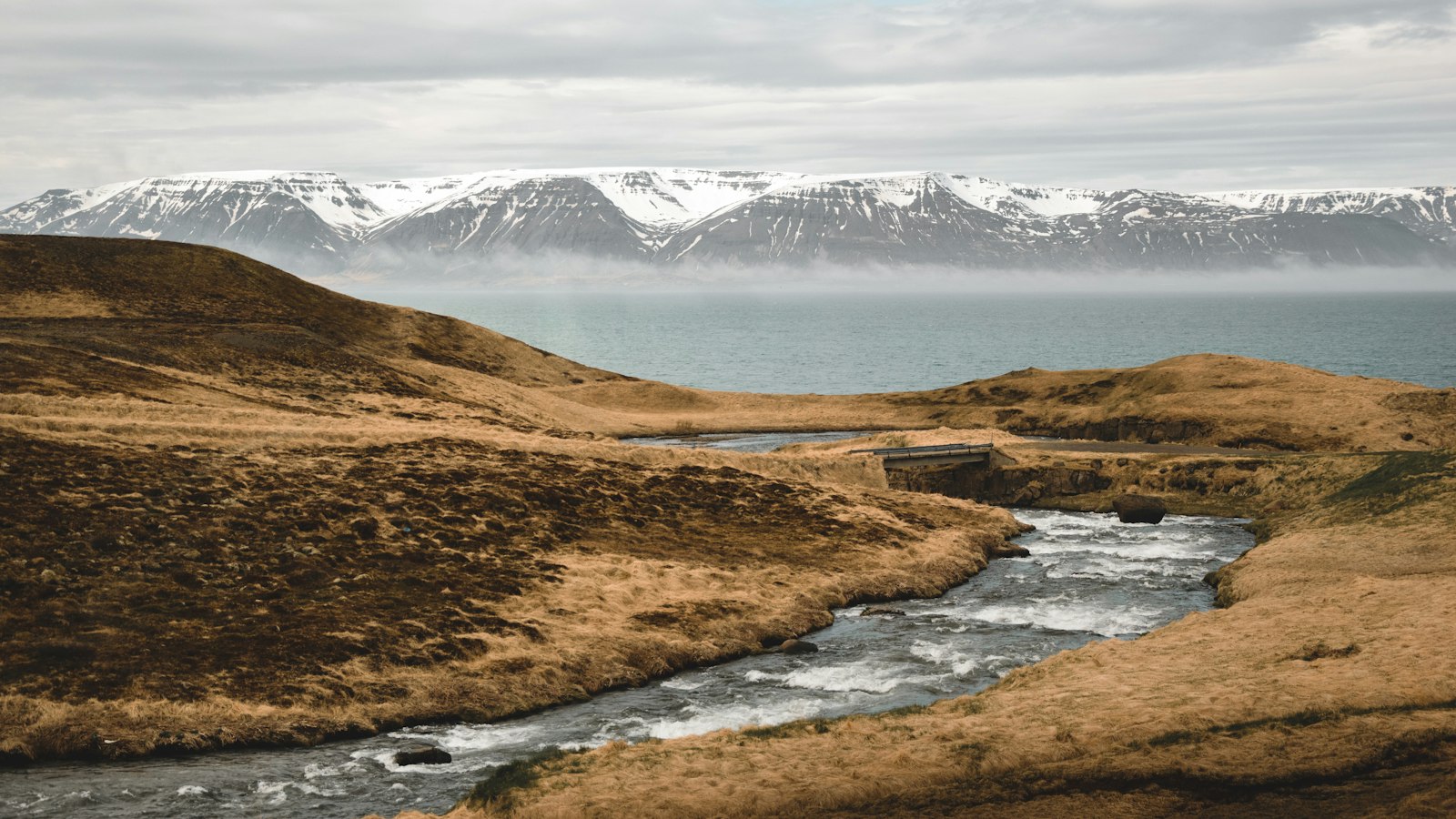
Just within Reykjavík’s city limits, the rivers known as Elliðaár (“Elliði’s rivers” in Icelandic) thread their way from volcanic origins to the sea. Unlike most urban rivers, Elliðaár offers an intriguing mix of geology, local history and vibrant wildlife, shaping both the land and community life of Iceland’s capital.
Origins in fire and water
Elliðaár is the product of two small rivers that begin in the Bláfjöll mountains, a volcanic range some 25 kilometres from Reykjavík. Their path to the city passes through the aquatic expanse of Elliðavatn lake at Reykjavík’s eastern edge, drawing on underground springs for their flow. From there, the combined river winds through Heiðmörk, a prominent nature reserve, before entering the city proper.
Beneath much of the valley, remnants of an eruption dating back approximately 4,500 years shape the landscape. This ancient lava field forms the very base upon which the rivers meander, a constant reminder that Reykjavík’s tranquil green corners have been shaped by fire as much as water.
A valley of life and power
Where Elliðaár flows through the area known as Elliðaárdalur (the ‘valley of Elliðaár’), expansive reforested woodlands and recreational opportunities welcome city dwellers. Some 60 bird species, including swans, several kinds of ducks and notable songbirds, find refuge here. The presence of birch, fir and pine is largely due to replanting efforts that began in the early 20th century, aiming to renew the greenery alongside the growing city.
The river supports a dynamic ecosystem and a local fishing tradition, especially for salmon. Reykjavík’s mayor traditionally casts a line to mark the opening of the summer season’s salmon catch, a reflection of how this urban river remains woven into local custom.
Elliðaár has also powered Reykjavík’s progress. In 1921, the city’s second hydroelectric facility was built here, harnessing the river’s flow to generate electricity. The plant still operates today, and a museum on site offers a glimpse into Reykjavík’s journey from darkness to electric light.
Before Elliðaár pours into Elliðavogur bay near Árbær, close to the Árbæjarsafn open-air folk museum, it tumbles over a series of small waterfalls, adding movement and sound to the city’s green lung. Paths for walking, cycling, horse riding, a swimming pool and even a ski lift point to the ways Reykjavík residents and visitors connect with this slice of raw Icelandic nature.
Sources
- Wikipedia
- Wikipedia (Icelandic) in Icelandic


