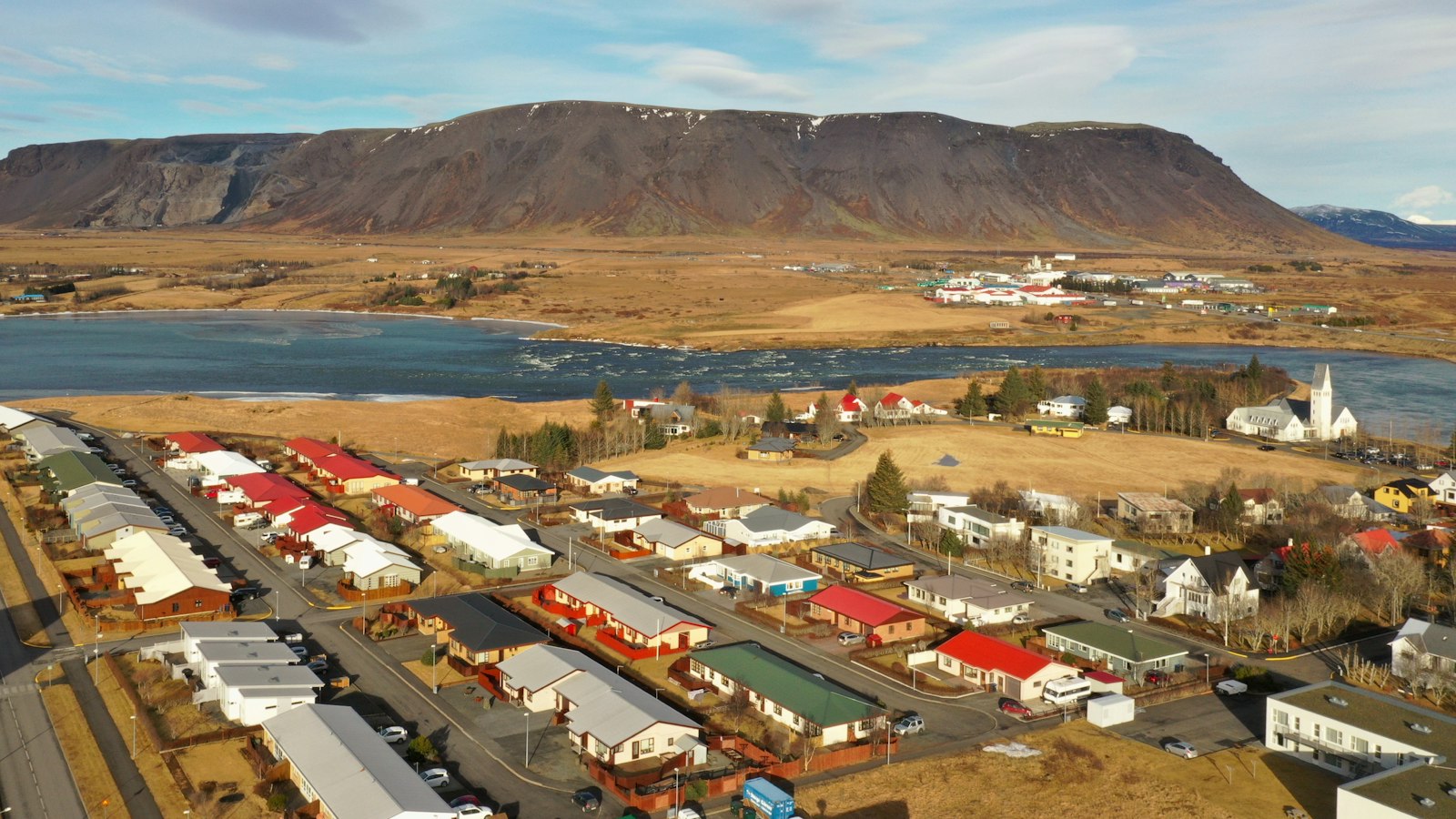
About 45 kilometres from Reykjavík, the grass and volcanic soil near Selfoss hide traces of Iceland’s wartime history. RAF Kaldadarnes, built by the British Army in 1940 and taken over by the Royal Air Force from the following year, was a remote outpost in the wider network defending Atlantic convoys during the Second World War.
Strategic crossroads in the Atlantic
Kaldadarnes became operational at a time when the North Atlantic was a crucial front. The base played a part in anti-submarine operations and in supporting Allied supply lines between North America and Europe. Starting in 1941, aircraft and crews stationed there became part of the island’s daily rhythms, briefly making the barren fields and coastline into a site of international activity.
On 2 September 1942, the station was the departure point for Eric Ravilious, a British war artist, whose flight from the airfield ended in disappearance. The site’s story echoes the sense of uncertainty and risk that shaped the North Atlantic air war.
A naval chapter and changing purpose
In 1943, the base acquired a new role. Facilities were granted to the Royal Navy to store Fairey Swordfish torpedo bombers for use on escort carriers and Merchant Aircraft Carriers (MAC-ships) on convoy duty. The naval unit, under the command of Lieutenant Commander A.G. Mayhew, was operational from May to November that year but left after limited activity. The RAF retained practical oversight, and the entire operation was closely tied to British and Icelandic command in the region.
RAF Kaldadarnes was never a permanent fixture. After the Second World War, British forces left the site to Iceland’s civil aviation authorities. But its airfield saw only a brief civilian chapter before closing for good. Now, its decaying runways and cracked buildings can still be glimpsed in satellite images, an echo of the era when the global conflict reached these northern shores.
Today, a memorial at the newer Selfoss airfield honours No. 269 Squadron RAF, one of the wartime units once based nearby. The landscape at Kaldaðarnes, marked by relics and memories, offers a reminder of Iceland’s surprising links to the events that transformed the world.


