March marks a dynamic transition in Iceland as daylight increases and spring edges closer. This time of year invites both visitors and residents outdoors, offering a chance to enjoy local traditions, unique landscapes, and wildlife with fewer crowds than in peak summer.
Icelandic weather and city life in March
Temperatures in March generally hover around freezing. Reykjavík, the capital, typically experiences averages between -2.2°C (28°F) at night and 3.3°C (38°F) during the day, with occasional rain or snow more likely in northern regions. Packing waterproof and warm clothing is important.
Reykjavík’s main streets, including Laugavegur, Hverfisgata, and Skólavörðustígur, provide a lively atmosphere filled with shops, creative spaces, and cultural highlights. Iconic sites such as Hallgrímskirkja church, the Harpa Concert Hall, and the steel Sun Voyager (Sólfarið) sculpture are notable stops for those exploring on foot.
Seasonal wildlife and outdoor activities
March brings the return of whale herds to Iceland’s shores. Whale watching tours operate from Reykjavík harbour and from the northern fjords, notably Eyjafjörður near Akureyri, Dalvík, and Húsavík. Multiple species, including minke and humpback whales, are often sighted during this time.
The Icelandic horse, known for its unique tölt gait, is an enduring symbol of the country. Visitors in March can see these horses with their thick winter coats, either through farm visits or organised rides.
Ski locations such as Akureyri, Siglufjörður, and Dalvík in North Iceland are popular throughout March. Alongside skiing, these towns also offer access to whale watching.
March is also the season for exploring Iceland’s blue ice caves. Guided tours depart from Reykjavík and the Jökulsárlón glacier lagoon, taking visitors safely into caves and onto the surrounding glaciers. Warm and sturdy clothing, including hiking boots, is essential for these excursions.
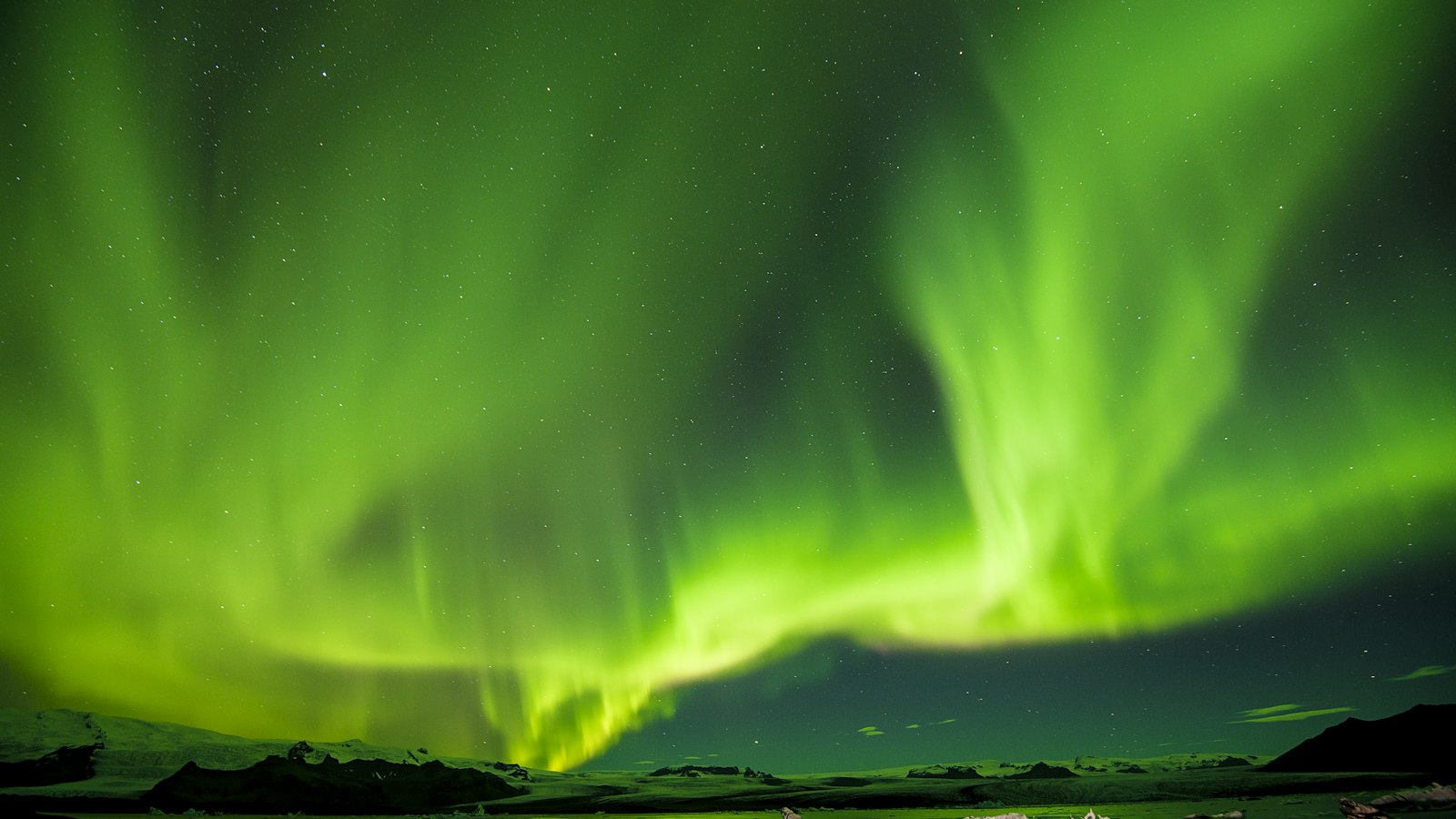
The Northern Lights, or aurora borealis, continue to be visible on clear nights in March. The longer days mean viewing times may be slightly reduced, yet opportunities to see the lights remain excellent, especially outside city areas.
For those seeking fewer crowds, March falls in the country’s off-season. Road trips along the south coast or the full Ring Road provide a quieter but equally scenic experience of Iceland’s dramatic landscapes.
March’s event calendar features the Food and Fun Festival in Reykjavík, adding a culinary dimension to the travel experience with local dishes and chef-led events.