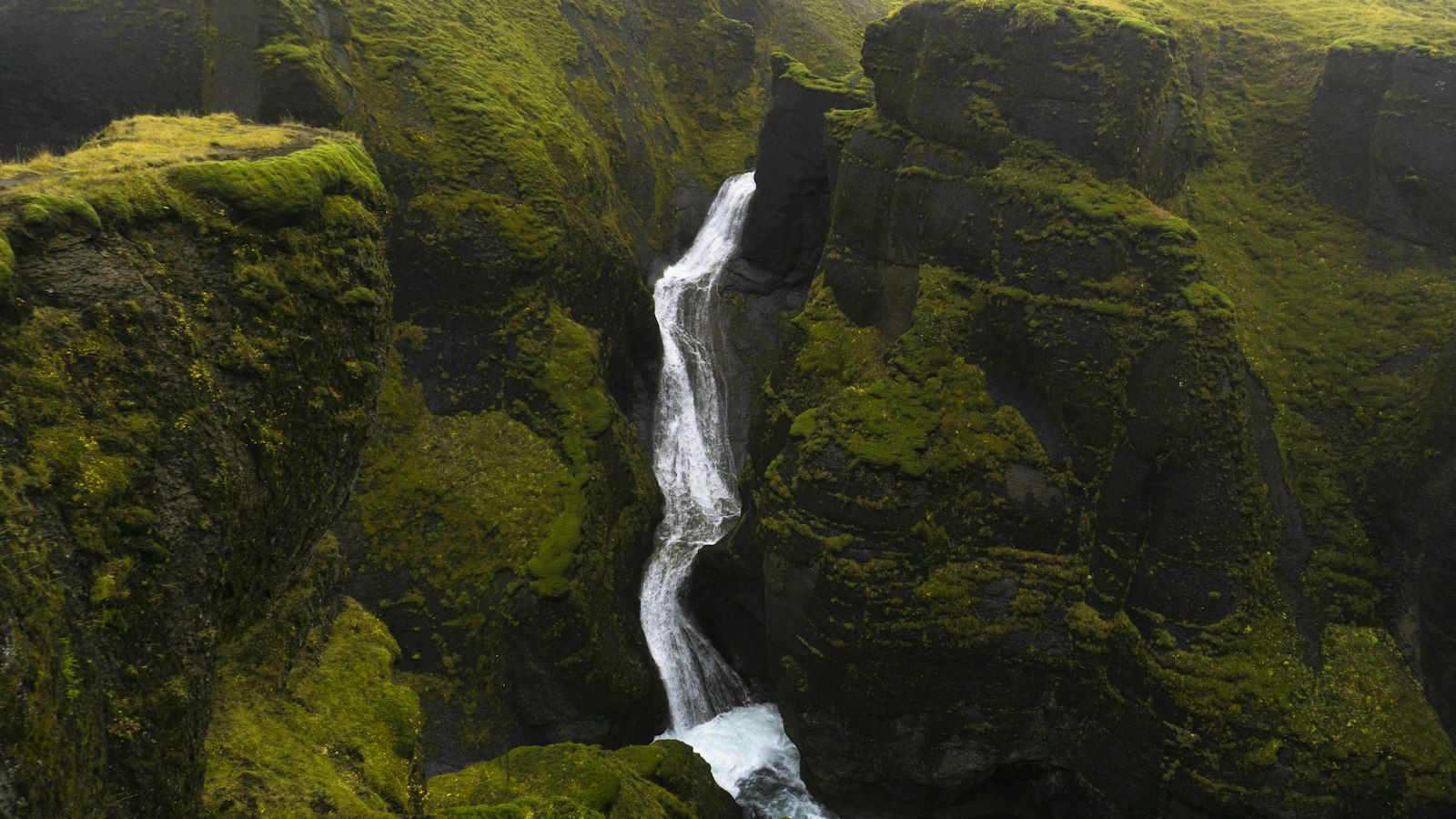
Seljalandsfoss, located in southern Iceland, is known for its accessibility and distinctive walking trail behind the waterfall. The falls are found along the Seljalands River, which is fed by meltwater from Eyjafjallajökull, the glacier that erupted in 2010. At about 60 metres in height, Seljalandsfoss sits a short drive from Reykjavík and is visible even on approach from the Ring Road.
The option to walk behind the curtain of water is a key feature that attracts both visitors and photographers. This experience, though memorable, requires caution, as the path can be slippery, especially in colder or wetter months. The trail may be closed during the winter when conditions become unsafe.
Seljalandsfoss is part of the Seljalandsfoss waterfall system and is frequently included on Golden Circle routes alongside places like Gullfoss and Þingvellir (Thingvellir) National Park. There is a large parking area nearby, and the site is open year-round. While summer brings warmer weather and longer daylight for exploration, winter visits are possible, with the falls occasionally illuminated during darker hours. However, weather can be colder and wet, and visitors should prepare accordingly.
Nearby, Gljúfrabúi waterfall offers additional scenery. Located within a narrow canyon not far from Seljalandsfoss, Gljúfrabúi is less visible and can be reached by a narrow path, rewarding those who seek out the quieter spots.
For parking, there is a paid area near the main site, though visitors may find free parking just off the Ring Road. The waterfall trail is approximately 1.2 miles (about 2 kilometres) out-and-back, taking around 30 to 40 minutes to complete at an easy pace. The area is popular for hiking, birdwatching and photography.
Swimming or showering in the waterfall is prohibited for safety and environmental reasons. The water is cold, fast-moving, and the rocks are often slippery. It is important to respect the area and avoid disrupting the local ecosystem.