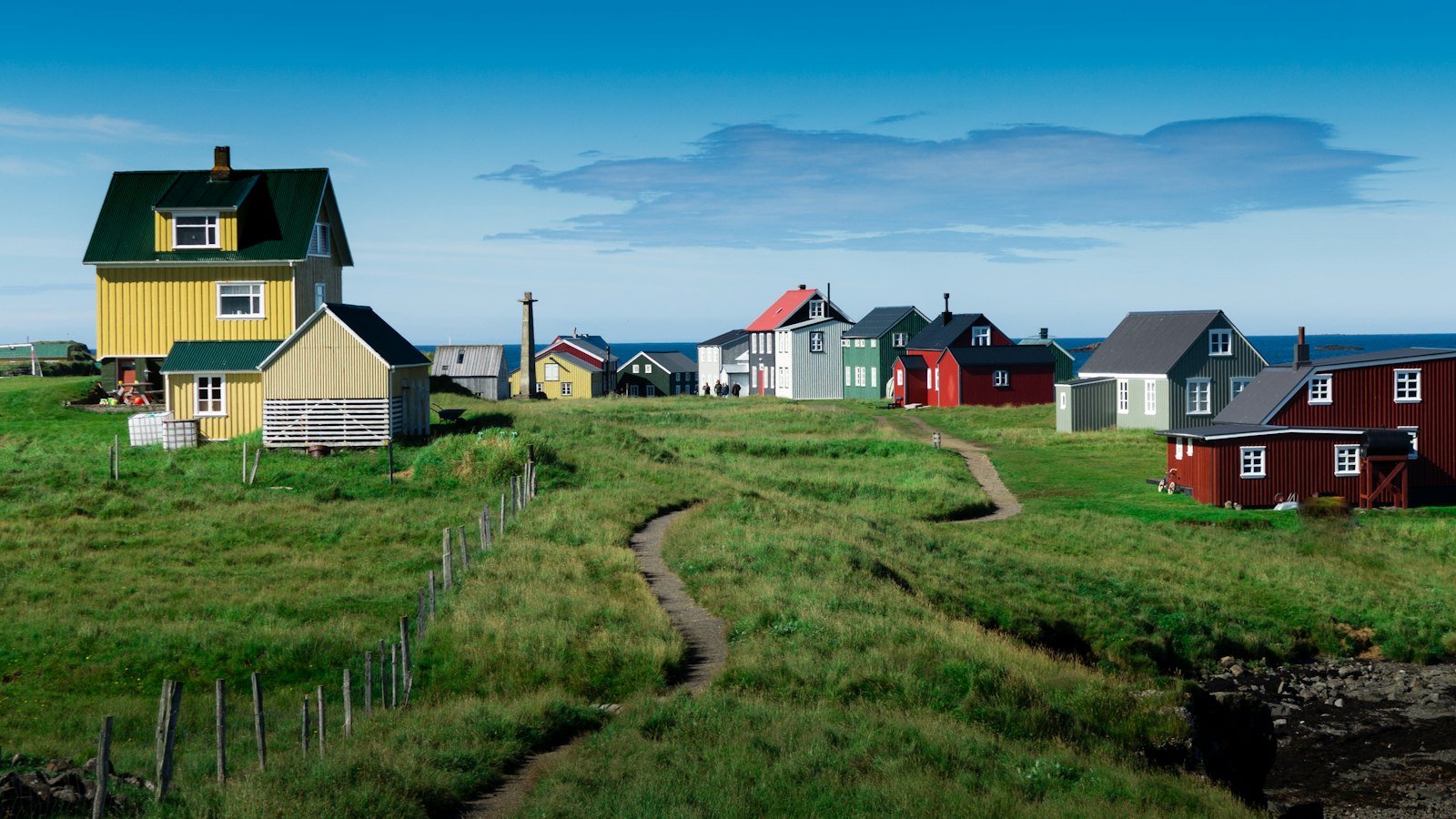
On the banks of the powerful Hvítá river, in the region known as Hrunamannahreppur in Árnessýsla, lies Hvítárholt. Today, it is a quiet site, but in recent decades this place has dramatically reshaped how Icelanders and historians understand the earliest periods of settlement on the island.
A site unlike the sagas described
In the summer of 1963, ancient traces of habitation were unearthed at Hvítárholt. These traces soon proved to date from the Saga Age, putting them among the oldest signs of settlement found on the island. What set this dig apart was not only its extensive scale, led by Þór Magnússon and other notable Icelandic archaeologists, but also that Hvítárholt is never discussed in any medieval Icelandic sources. That allowed researchers to view daily life here without the lens of myth or family lore.
The discoveries stretched across a ridge 600 to 800 metres wide, making this the most ambitious settlement excavation the National Museum of Iceland had attempted at that point. Among the finds were the remains of ten buildings, all dating from approximately the 10th century.
Longhouses and unknown pit houses
Three timber longhouses stood out among the structures. Each longhouse measured about 20 metres, with carefully built curving walls, closely matching 10th-century buildings found in the Faroe Islands, Orkney and Denmark. In one detail, their walls showed techniques not previously identified in Iceland, although known in neighbouring North Atlantic cultures.
Even more surprising were the five jarðhús, or pit houses, a building type unrecorded in Icelandic archaeology before this excavation. Each was a simple, roughly circular hole three to four metres across and a metre deep. Inside some, archaeologists found hearths and stones split by fire. Saga literature such as Eyrbyggja saga mentions earth-houses, sometimes as bath-houses dug into the earth, which could suggest possible purposes for these structures. The discovery of these pit houses was considered a major development in understanding Iceland’s early architecture.
The overall pattern of several large, equally sized longhouses suggests that Hvítárholt may have functioned as a pioneering multi-family settlement, similar in concept to early sites such as L’Anse aux Meadows in Newfoundland, where settlement patterns later dispersed.
Hvítárholt’s position, high, exposed, and with little access to fresh water, may explain why the site was eventually abandoned or relocated. The Hvítá river, while picturesque, freezes in winter and floods during the spring thaw, further complicating continued habitation.
A Roman mystery in Icelandic soil
Among the objects found at Hvítárholt, one stood out for its sheer improbability: a Roman copper antoninianus coin, minted around 275–276 CE. The presence of such a coin raises questions about connections far beyond Iceland’s shores. Kristján Eldjárn, one of the research team, proposed that Roman sailors may have lost their way en route from Britain and landed on Iceland’s east coast long before Norse settlement. Later, Vikings could have discovered the coin and brought it back to their homes. However, the true origin remains a subject for further speculation.
Sources
- Wikipedia
- Wikipedia (Icelandic) in Icelandic


