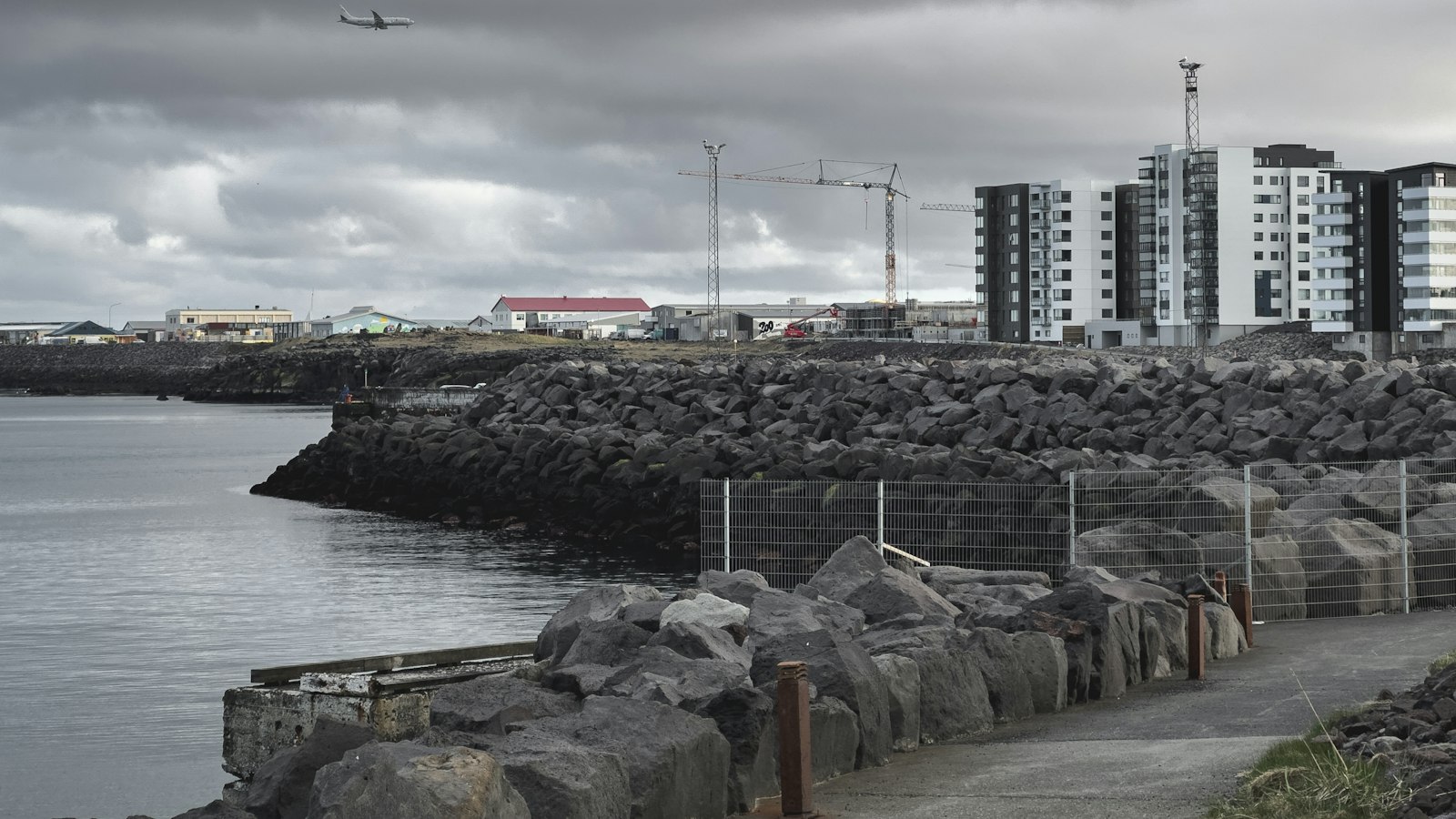
On the outer edge of the Reykjanes Peninsula, Reykjanesbær stands as the fourth largest municipality in Iceland. This area covers the towns of Keflavík and Njarðvík, alongside the village of Hafnir. In 1994, these three settlements joined forces, marking a new phase in local identity and development. Since then, Reykjanesbær has become not only the central community in the Suðurnes region but also a reflection of contemporary Iceland’s evolving character.
A tale of merging towns and new districts
Keflavík and Njarðvík, once separated by a single street, gradually blended during the late 20th century, forming a single urban area whose boundaries faded as homes and businesses drew closer together. Hafnir, a small village about 10 kilometres away, contributed a rural note to the new municipality. The district gained yet another dimension in 2006 when the former US Naval Air Station Keflavik was handed over after the military departure and renamed Ásbrú. This area now supports educational institutions and growing businesses, showing how old military spaces can find new purpose in civilian life.
Reykjanesbær grew rapidly alongside the expansion of Keflavík International Airport, which remains the region’s largest employer. The population has risen from just over 10,000 in 1994 to more than 21,900 in early 2024, a remarkable doubling in just three decades.
A diverse and lively community
This swift growth has brought diversity. By January 2024, immigrants of first and second generation made up 25 percent of the municipality, with Poles, Lithuanians and Ukrainians representing the largest groups. Such demographic change has brought new cultures and languages into daily life across the towns.
Education and sports hold notable places here. The area is home to several primary schools as well as the upper secondary school Fjölbrautaskóli Suðurnesja and the Keilir centre at Ásbrú. The municipality is well known for its competitive sports clubs, particularly in basketball and swimming. The swimming club operates from Vatnaveröld, home to a 50-metre indoor pool, one of the largest in the country.
Reykjanesbær also boasts a vibrant cultural life. The Viking World museum displays the Viking ship Íslending, while the Icelandic Museum of Rock ‘n’ Roll (Hljómahöllin) pays tribute to Icelandic music heritage. The municipal museum, founded in 1944, now shares space with other collections in Duus Safnahús in Keflavík.
Several churches serve the community, ranging from the historic Keflavíkurkirkja and the old churches of Njarðvík to newer congregations at Ásbrú. Local harbours are run by Reykjaneshöfn, which oversees the main ports for fishing, trade and recreation.
The climate is subpolar oceanic, rarely seeing temperatures above 10°C except in July and August. Despite winds and cool air from the Atlantic, residents have maintained a strong community spirit, celebrated every year at the town festival, Ljósanótt, when lights are illuminated on Bergið near Keflavík harbour.
Sources
- Wikipedia
- Wikipedia (Icelandic) in Icelandic


