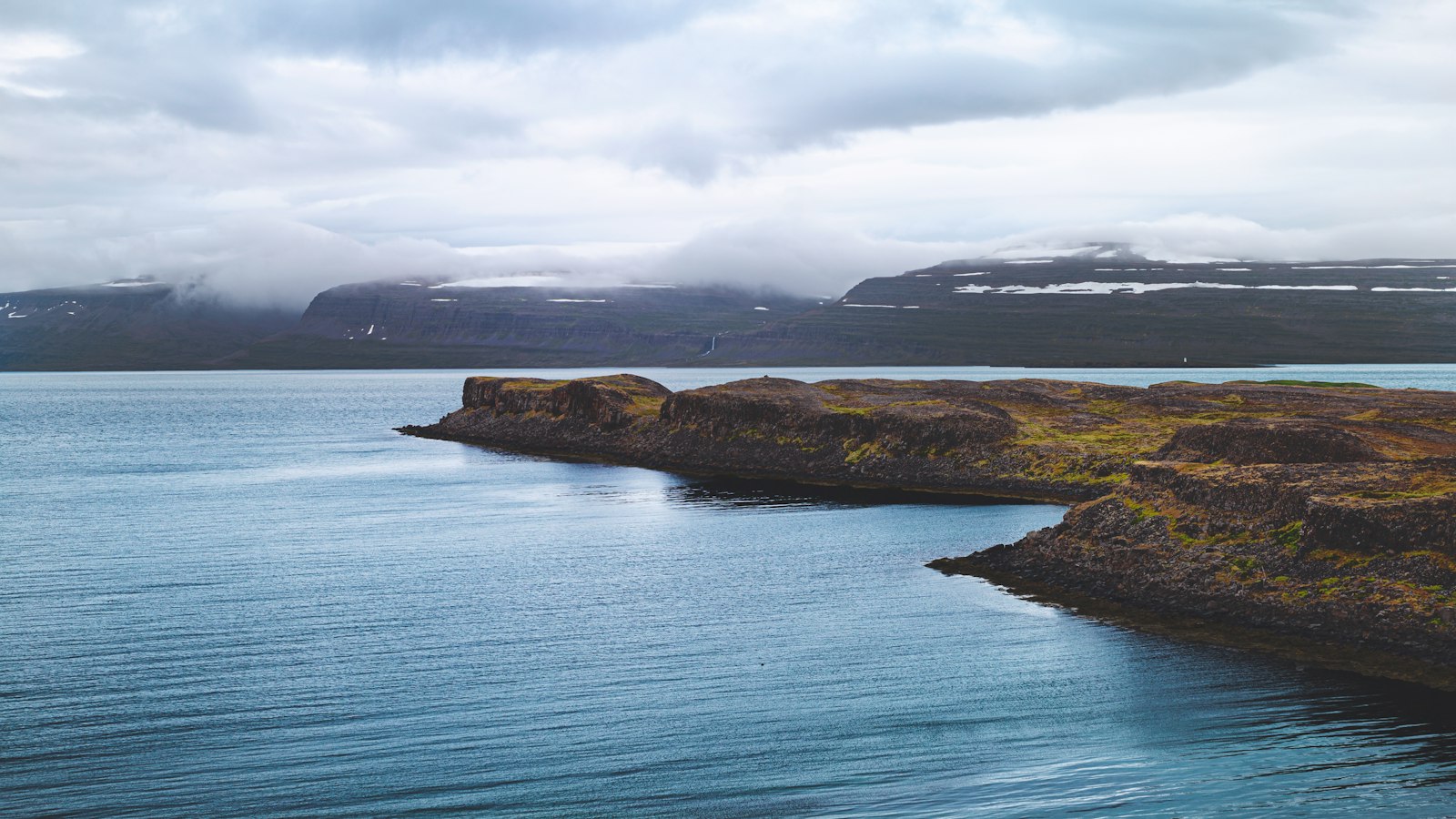
Situated close to the eastern shoreline of Iceland, Papey stands as a quiet island shaped by centuries of habitation and story. The island, now part of Múlaþing municipality, covers roughly two square kilometres and reaches its highest point at about 58 metres above sea level. Although uninhabited since 1966, Papey is a place where echoes of the past remain visible in its few enduring buildings and in the collective memory of its name.
Papey and the Papar: fact and folklore
Papey holds a particular significance in Icelandic tradition for its supposed connection to the Papar. These monks are believed, according to the medieval Landnámabók (the Book of Settlements), to have lived on the island before Norse settlement began in earnest. Stories from Landnámabók link Papey and the area around Djúpivogur to these early Celtic Christian hermits. It is said that after Ingólfr Arnarson, the first acknowledged Norse settler of Iceland, spent the winter at Geithellar in Álftafjörður, his women followers noticed smoke rising from Papey in the spring. Upon closer inspection, they discovered objects that led them to believe the island was inhabited by Papar, also referred to as “Vestmen” or Western men.
The island’s name itself, as well as local place names such as Papatættur and Írskuhólar, reflect this enduring association with the Papar. However, archaeological surveys on Papey and the surrounding area, including work led by Kristján Eldjárn, a former president of Iceland, during the 1970s and 1980s, have found no physical evidence of an early monastic presence. Instead, these excavations unearthed clear Norse settlement remains, pointing to a later period of consistent habitation.
A changing island through the centuries
Papey continued to be inhabited well into the twentieth century, with the last residents leaving in 1966. Structures such as a private house, a church and a lighthouse still stand on the island. Since 1998, the island has hosted an automated weather station. The human footprint is now minimal, but signs of the past linger in the built environment and the island’s fabric.
Aside from its historical intrigue, Papey is also notable for its wildlife. The cliffs and grassy slopes serve as a thriving breeding ground for Atlantic puffins, forming large colonies that are typical of Iceland’s coastal islands. In this way, Papey remains a living part of Iceland’s natural and cultural history, shaped as much by legend and memory as by documented settlement.
Sources
- Wikipedia
- Wikipedia (Icelandic) in Icelandic


