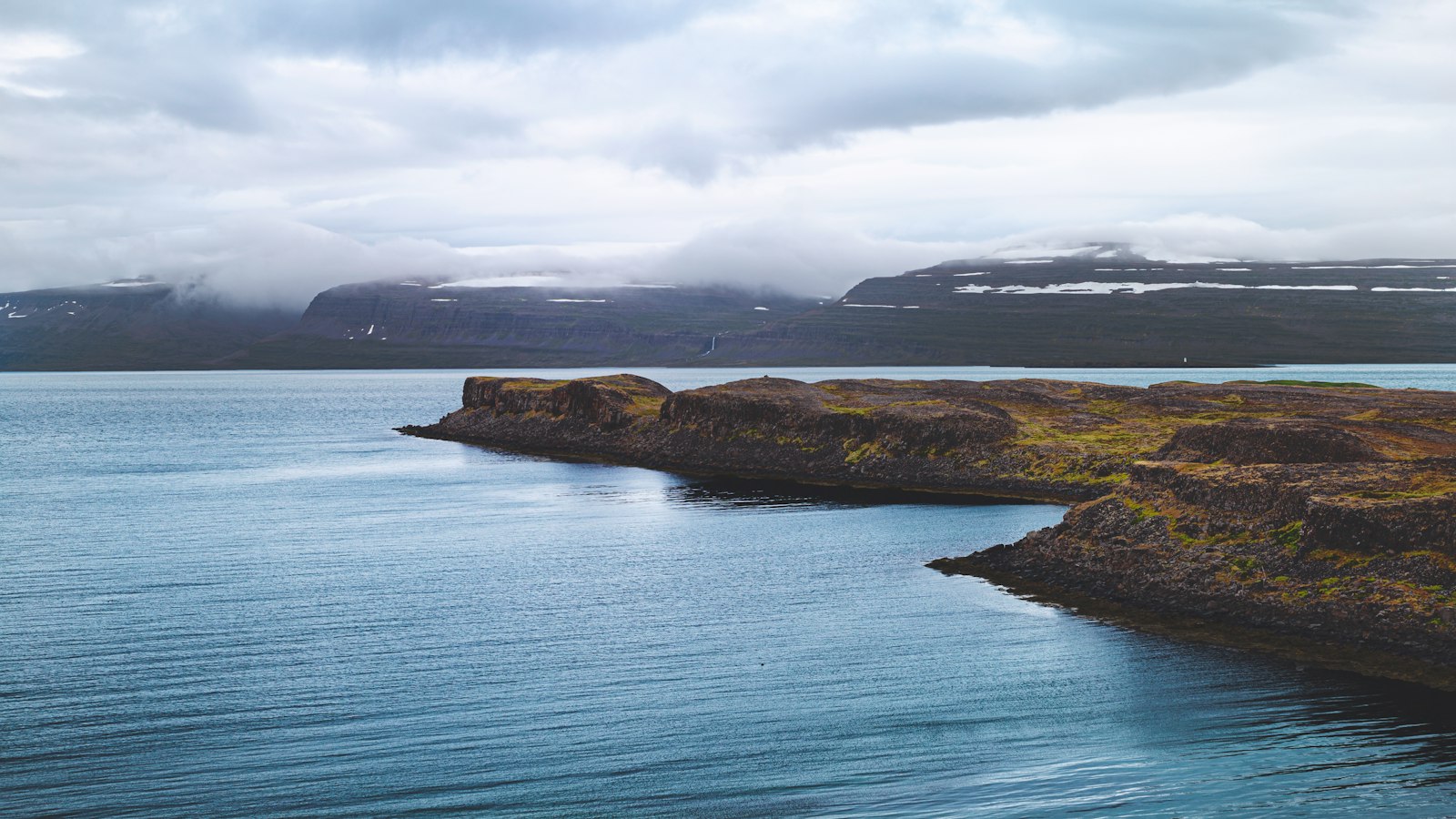
Just north of Reykjavík, the narrow island of Engey sits quietly in the Kollafjörður fjord, rarely drawing attention but holding a deep reservoir of local heritage. Its name, made up of “eng” for meadow and “ey” for island, recalls both its grassy landscape and its long association with human settlement and craft.
From meadows to making boats
Engey became settled early in Iceland’s story, its earliest records appearing in Njáls saga, one of the country’s classic medieval texts. Over the centuries, the island supported a farming and fishing community. A church served its small population for nearly 400 years, from the late 1300s until the mid-18th century.
In the 1800s, Engey gained a reputation for shipbuilding. Its skilled craftsmen, notably Kristinn Magnússon, shaped boats whose design, called the Engeyjarlag or Engey style, became common across the Faxaflói area. From the 1850s to the 1870s, Magnússon built more than 200 vessels, not only perfecting their form but also working with others like Geir Zoëga to improve the equipment used on decked fishing ships. This local innovation spread, shaping the daily rhythms and livelihoods of communities around the bay.
Legacy likewise lives on in people. The Engeyjarætt, or Engey family, traces its descent from Snorri Sigurðsson ríki, who spent much of his long life on the island, passing away there in 1841. His descendants include several national figures, such as former prime minister Bjarni Benediktsson and government ministers Björn Bjarnason and Ragnhildur Helgadóttir.
Change, conflict and quiet
Engey’s era of steady habitation came to an end around the middle of the twentieth century. Following World War II, the government acquired the land from the last resident, Sigurður Gíslason of Hamraendar, before transferring it to the Reykjavík municipality in the late 1970s. The remaining houses, falling into disrepair, were later burned for safety.
During the war, Engey took on a defensive role. Fortifications and an underground base were constructed to help protect Reykjavík’s harbour. Although populations left soon after, traces of these military installations remain and are comparatively well preserved because the island was vacated not long afterward.
At 1.7 kilometres in length and about 400 metres across, Engey is today uninhabited, marked by a lighthouse first raised in 1902 and restored in the 1930s after damage. A shoal stretches off its southern tip, visible at low tide, serving as a reminder of its changing relationship with both land and sea.
Sources
- Wikipedia
- Wikipedia (Icelandic) in Icelandic


