On 24 October 1975, Iceland witnessed an event that would fundamentally change the nation’s conversation about gender equality. On this day, known as Kvennafrídagurinn or Women’s Day Off, approximately 90 percent of Iceland’s female population stepped away from all paid employment as well as domestic work, including housework and childcare. This united act demonstrated how deeply daily life depended on women’s contributions, both visible and unseen, across every part of Icelandic society.
Setting the stage for change
Before the events of 1975, Icelandic women who held paid jobs earned less than 60 percent of the wages received by men, a gap that reflected broader patterns of inequality. The year had already been marked by global activity, the United Nations had declared it International Women’s Year, sparking worldwide attention on issues of gender discrimination. Amid this focus, a group of Icelandic women’s organisations, in cooperation with the activist Redstockings group, formed committees and working groups to respond to the situation at home.
Organisers decided to frame the strike as a ‘day off’, a more inviting term that they believed would encourage broader participation. Reports and stories on radio, television, and in newspapers covered wage disparities and unfair employment practices, making the strike and its aims widely known throughout the country.
A collective stand and immediate impact
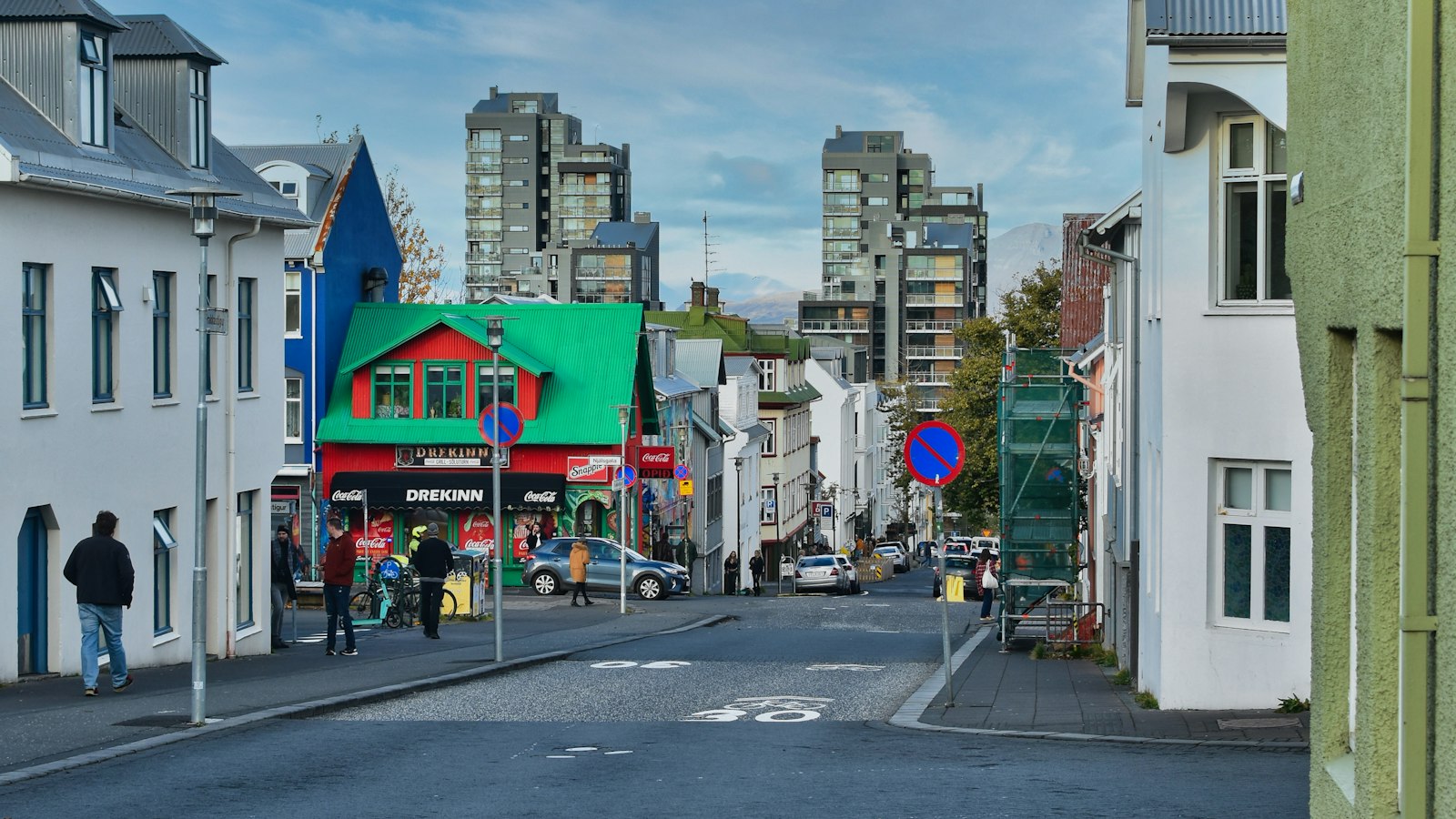
The response on 24 October was extraordinary. Factories, especially those in the vital fish processing industry, were forced to close because women formed the majority of the workforce. In Reykjavik, 25,000 people, out of a national population of about 220,000, gathered in the city centre to listen to speeches and songs. Community discussions took place in towns and rural areas across the country. Speakers included housewives, women workers, members of parliament, and leaders from the women’s movement. Aðalheiður Bjarnfreðsdóttir, representing Sókn, the trade union for Iceland’s lowest-paid women, spoke forcefully about the need for change.
For many men, the day provided a new perspective. Fathers brought their children to work and employers stocked up on sweets and pencils to cope. Stores quickly ran out of sausages, a meal simple enough for those unaccustomed to cooking daily family dinners.
Lasting influence at home and abroad
The Day Off made gender equality an urgent political topic. Iceland’s parliament responded with a new law guaranteeing equal rights for women and men in 1976. The strike is widely seen as a turning point that helped open the way for Vigdís Finnbogadóttir to be elected as the country’s, and the world’s, first democratically chosen female president in 1980.
Kvennafrídagurinn became known as “the long Friday” and has remained a landmark in Icelandic society. Since 1975, women have repeated the event every decade, leaving work earlier each time to mark the progress made and the distance still to go. In 2016, for example, women participated in group celebrations such as the Viking Clap outside the Althing (Iceland’s parliament).
The legacy of the 1975 strike has reached far beyond Iceland’s shores. Black Monday in Poland was inspired by it, as were global International Women’s Strike movements in later years.
Sources
- Wikipedia
- Wikipedia (Icelandic) in Icelandic


