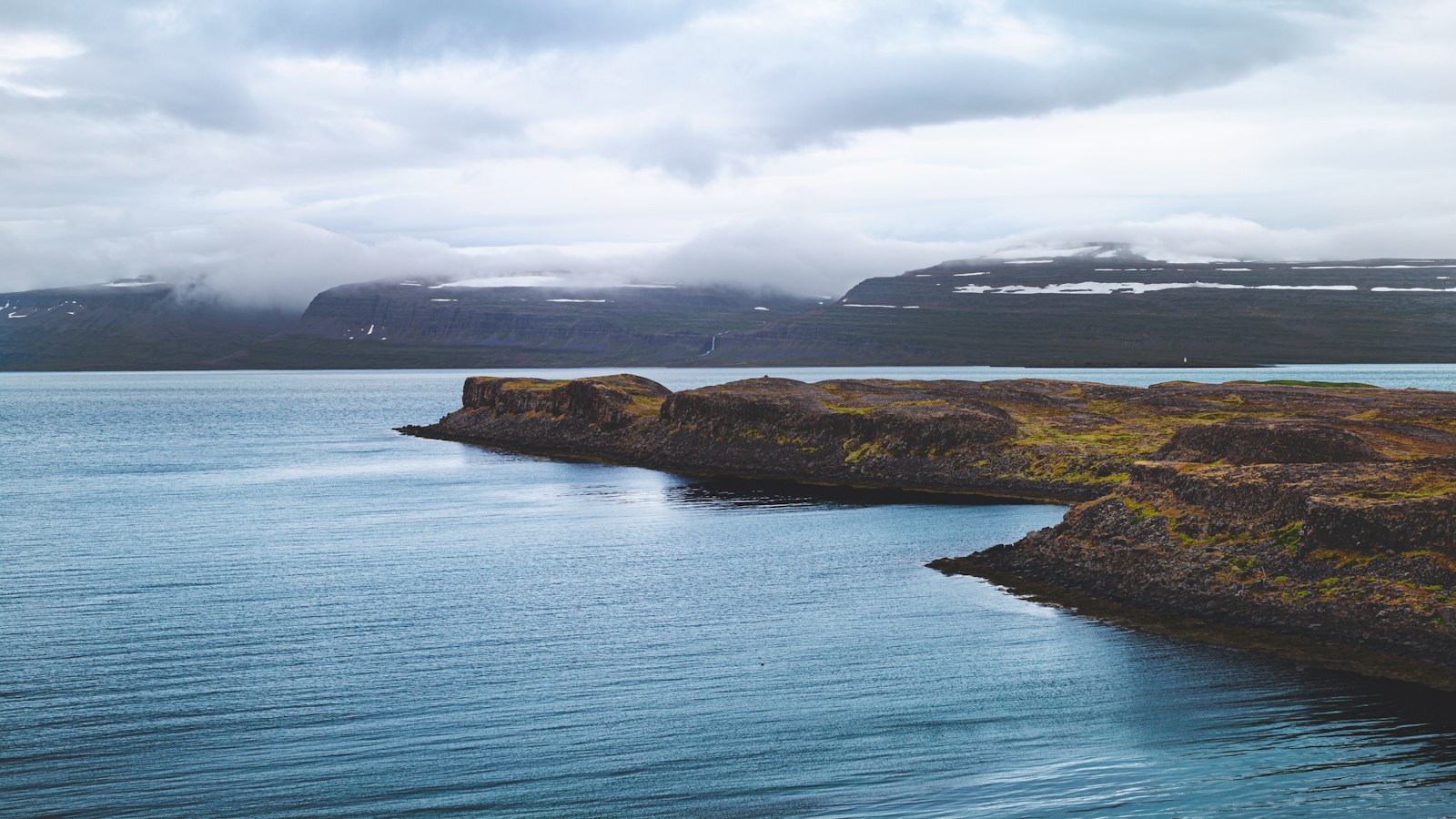
Within sight of Reykjavík lies Viðey, the largest island in Kollafjörður Bay. Only 1.7 square kilometres in size and rising a modest 32 metres above sea level at its highest point, this green, undulating island offers an unusually rich tapestry of nature, human history and culture. Despite its proximity to Iceland’s capital, Viðey retains traces of settlement stretching from the Viking Age to the twentieth century.
Human settlement from early times to modern abandonment
Archaeological finds indicate that people inhabited Viðey from around the year 900, not long after Norse settlers first arrived in Iceland. For centuries, the island served various purposes: in the twelfth century, Skúli Magnússon, often called the “father of Reykjavík,” built both his home and a church here. The island became the site of an Augustine Monastery from 1225 for more than 300 years, its remnants now sleep beneath the turf.
Later, the island supported a farm, and even a leprosy hospital. From 1907 to 1914, Viðey bustled with activity as a trans-shipment harbour and fishing centre, giving rise to a village of around 100 people on its eastern shore. After the main shipping companies ceased operations and the last inhabitants left in 1943, Viðey’s village faded to ruins. Today, the deserted homes and scattered archaeological remains stand silent among the island’s grasses.
Nature, geology and art shaped by land and time
Viðey’s landscape is shaped by ancient forces. Two million years ago, the island sat inside the caldera of a massive Pleistocene volcano, its grey basalt still visible along the coast and on the West Island. Plant life flourishes, with at least 156 documented species, along with breeding colonies of birds such as puffins, guillemots and fulmars.
Some notable structures have survived the years. Viðeyjarstofa House, a stately building dating from 1753–1755, was designed by Danish architect Nicolai Eigtved and constructed under the Danish crown. Today, the House stands as one of Iceland’s oldest stone buildings, and marks the starting point for exploring the island on marked trails.
In the late twentieth and early twenty-first centuries, new expressions joined the conversation between land and people. In 1990, American sculptor Richard Serra installed “Afangar” (Stations, Stops on the Road) on the island’s northwest tip: nine pairs of Icelandic basalt columns placed to match the slope of the land. The stones anchor the viewer to the ground and horizon, echoing the ancient volcano’s shape and the long story of habitation.
On Viðey’s eastern point, a more ethereal monument rises: the Imagine Peace Tower, a glowing shaft of light envisioned by artist Yoko Ono in memory of John Lennon. Each year, it is lit between October 9, Lennon’s birthday, and December 8, the anniversary of his death, its message of peace in 24 languages reflecting out across sea and city.
Sources
- Wikipedia
- Wikipedia (Icelandic) in Icelandic


