About 270 teddy bears and dolls received special care at teddy-hospitals set up by the Health Service of North Iceland (HSN) in Blönduós and Akureyri, according to Kaffið. The events offered local children a playful introduction to healthcare environments.
During the teddy-hospital events, children took active roles by bandaging, listening to, and comforting their toys. The activities are designed to make visits to clinics or hospitals less intimidating by familiarising children with healthcare staff and procedures.
Teddy-hospitals have been used for several years as a recognised method to teach children about medical care in an engaging and supportive way. Organisers say these experiences promote a positive attitude towards health and caring from an early age, and help reduce children’s fear of healthcare settings.
Introducing children to healthcare through play
The recent teddy-hospitals in Blönduós and Akureyri are part of a wider approach within Iceland to support children’s wellbeing through hands-on experiences. These playful clinics use familiar toys to bridge the gap between home and medical settings, making learning about health accessible and fun.
Background: Blönduós and Akureyri
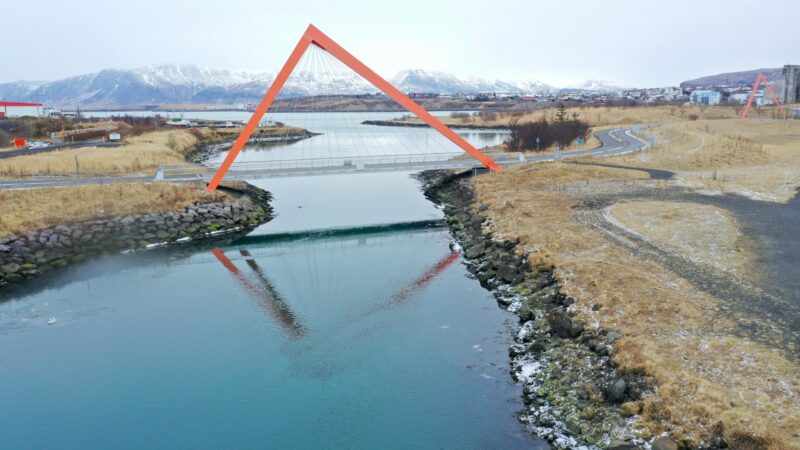
Blönduós is a town in northern Iceland, situated on Route 1 at the mouth of the glacial river Blanda. In 2022, Blönduós merged with Húnavatnshreppur to form the municipality of Húnabyggð. The town is known for its wool washery, its textile museum Heimilisiðnaðarsafnið, and the Icelandic Textile Center.
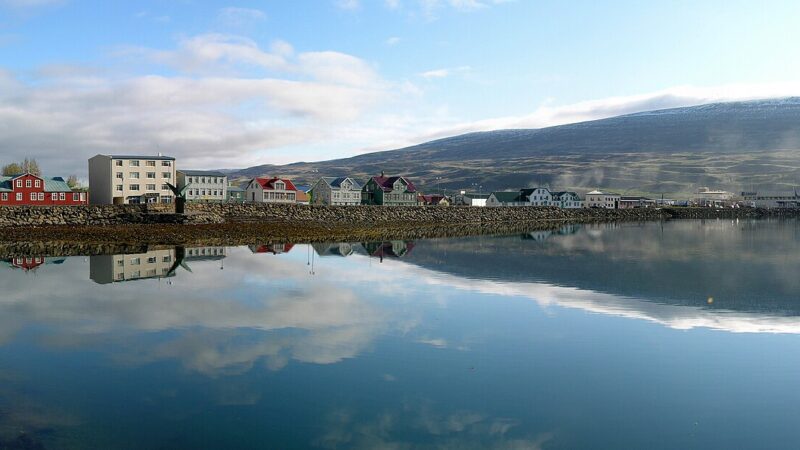
Akureyri lies further northeast and is the largest town outside Iceland’s capital area. Often called the Capital of North Iceland, it is an important port and fishing centre with a municipal charter dating back to 1786. The municipality also includes the islands of Hrísey and Grímsey.
Sources
- Kaffið (first reported) in Icelandic
- Vikublaðið in Icelandic
Image: Charles J. Sharp / Wikimedia Commons (CC BY-SA 4.0) · licence, original (resized) Illustrative image.