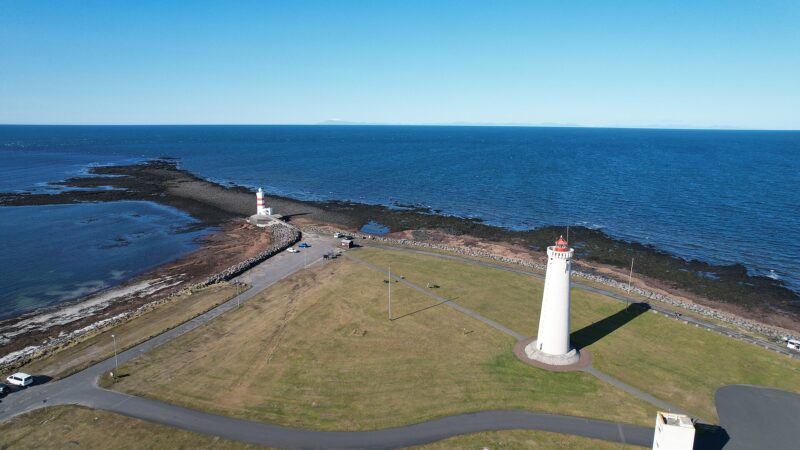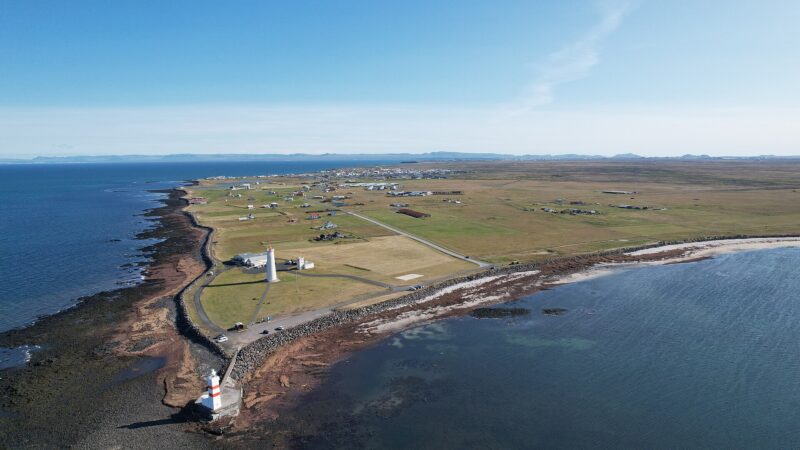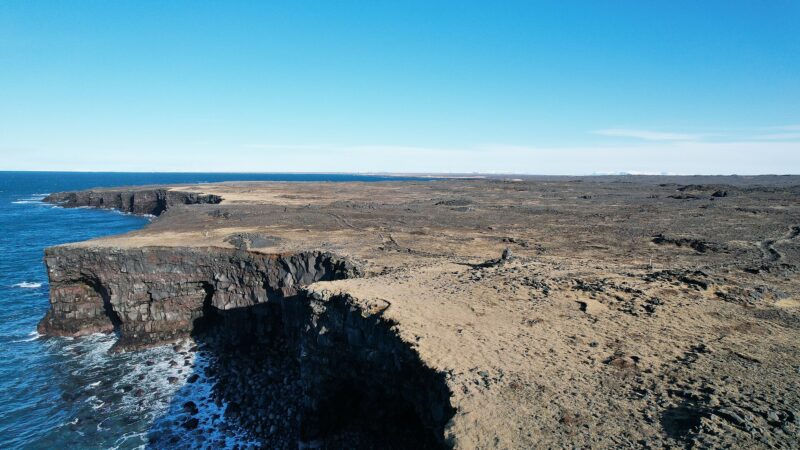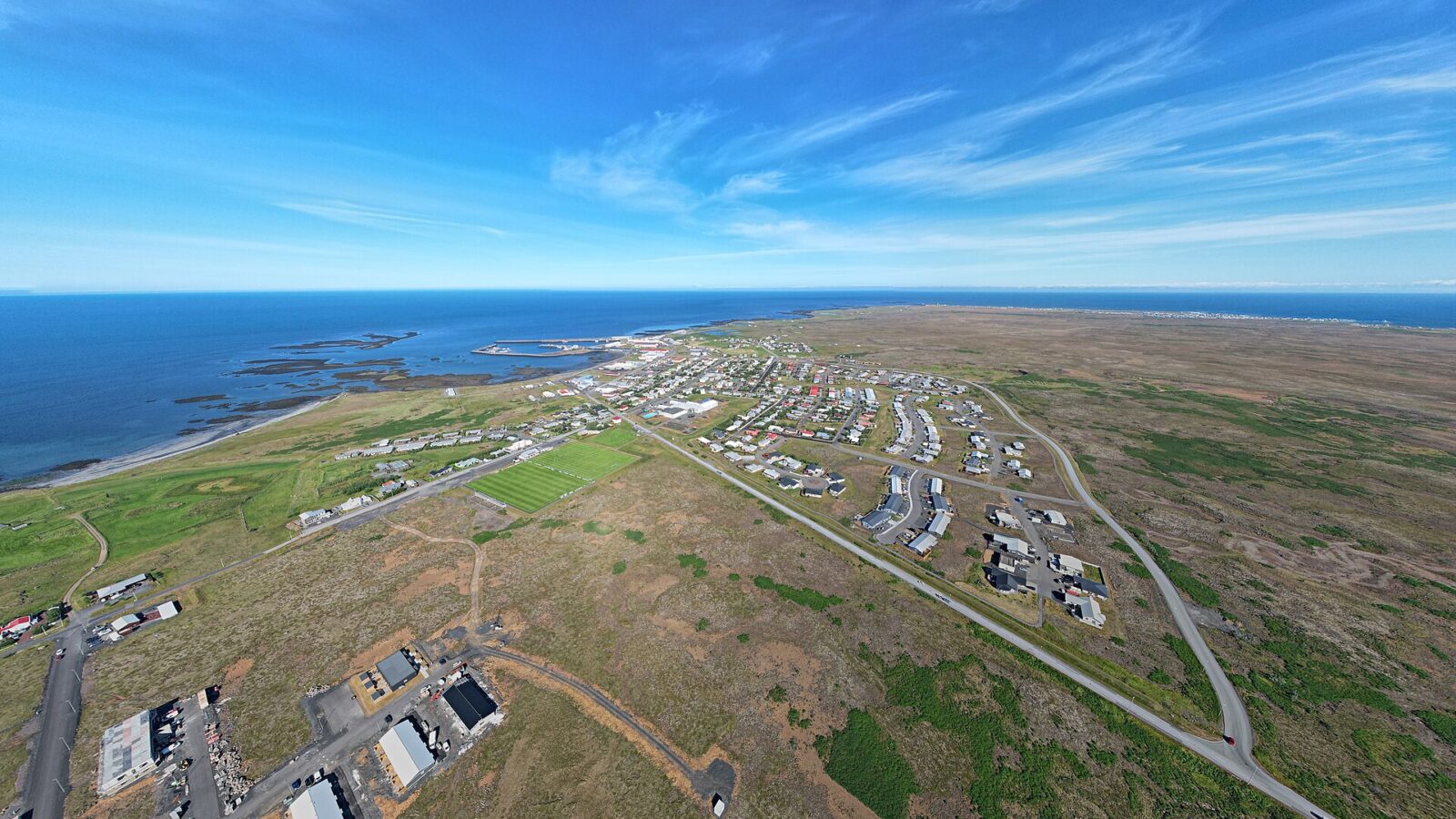
Located in southwestern Iceland on the outer edge of the Reykjanes peninsula, Sandgerði is a town shaped by its connection with the Atlantic. Once a separate municipality, Sandgerði merged with the neighbouring town of Garður in 2018 to form Suðurnesjabær. Its coastal character, longstanding fishing history, and community spirit remain central to life here.
Roots in the ocean: fishing, harbours, and sand
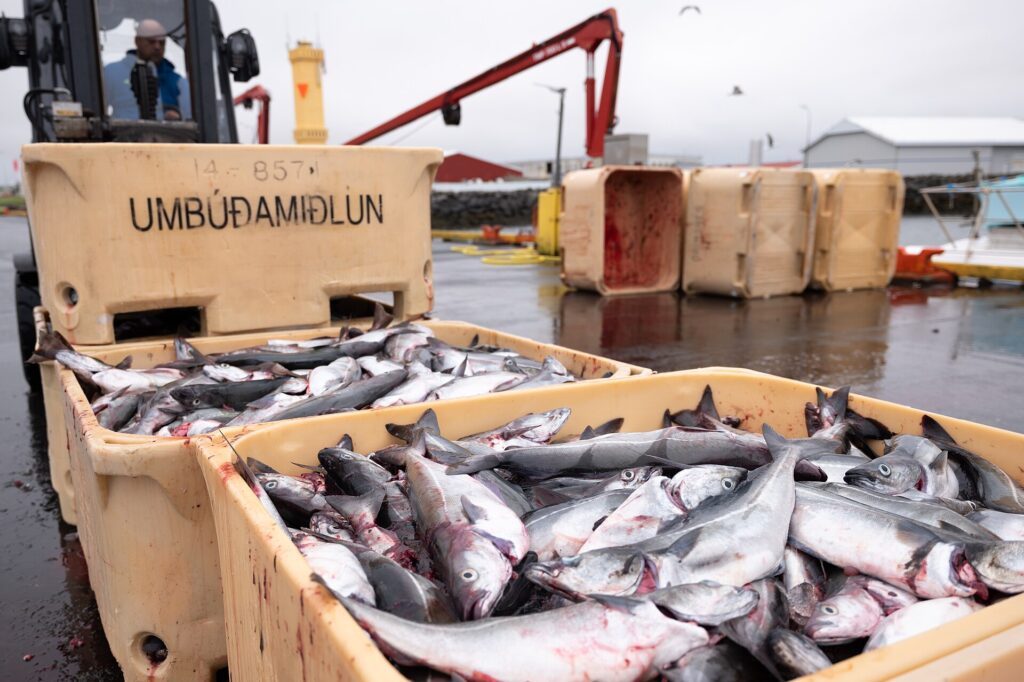
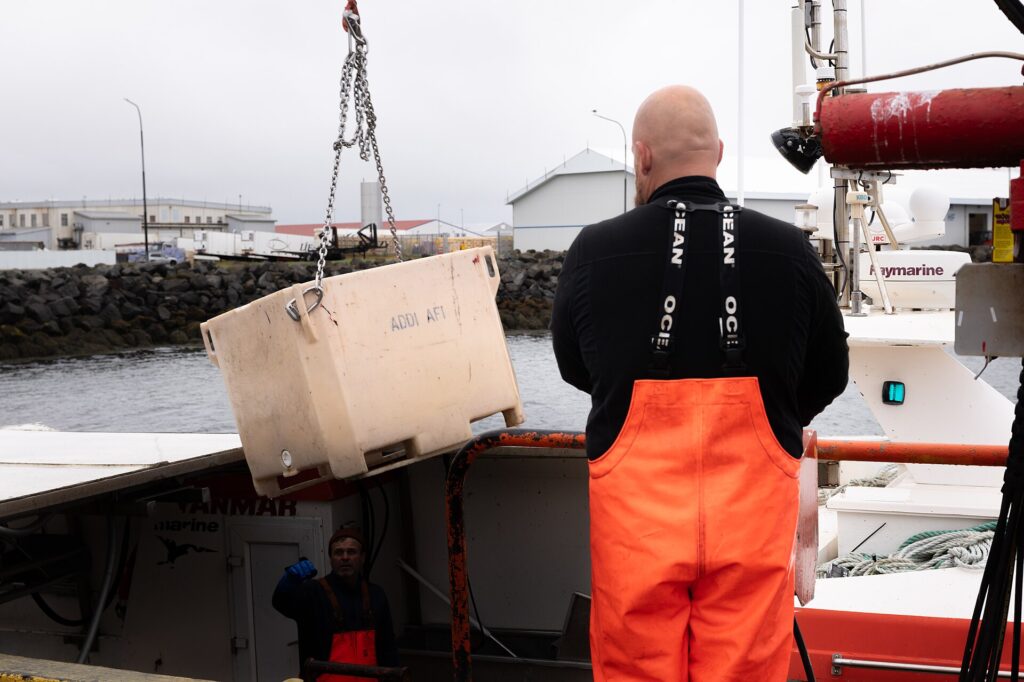
The history of Sandgerði reaches back to the nineteenth century, when the village began expanding at the same time as advancing fishing technologies brought motorboats to Iceland. Fishing quickly established itself as the town’s main industry, a legacy that still shapes the economy today, alongside other sectors such as small-scale industry, commercial services, and trade. The town’s harbour sits among the country’s leading fishing ports, with facilities catering to both small boats and larger vessels, and linked closely to Iceland’s vital seafood sector. Its proximity to productive fishing grounds has long been an advantage and prompted substantial harbour improvements throughout the twentieth century.
Sandgerði once comprised several distinct farming sites, including Krókskot, Landakot, Tjarnarkot, and Bakkakot, each with its own ownership and role within the local economy. The area’s sandy soil, echoed in the town’s name, proved unsuitable for traditional agriculture. Efforts to manage the encroaching sands led to the widespread planting of lyme grass and the construction of an extensive seawall, particularly during the early decades of the 1900s.
Community spirit and local life
The town is home to nearly 2,000 residents, with a gradual population increase in recent decades. Central to the community is the Reynir sports club, which fields both football and basketball teams in national competitions. Two sports centres operate within Suðurnesjabær, each offering facilities for swimming, fitness, and indoor sports. Sandgerði’s own 25-metre pool features a wading pool, water slides, hot tubs, and sauna amenities.
Other hallmarks of local life include the country’s first rescue squad established under the Icelandic Association for Search and Rescue. The Sigurvon unit has operated since 1928, conducting sea and land missions from its base in the town and maintaining its own rescue boat. Sandgerði also houses a science and learning centre dedicated to natural studies, reflecting the importance of both maritime and natural environments in the community’s daily experiences.
Connections to the region and beyond
Formerly the centre of its own municipality, Sandgerði’s boundaries reached from Garðskagatá in the north to Ósabotnar in the south. The area contains historic farm clusters and is near the old church at Hvalsnes, once served by Hallgrímur Pétursson, a renowned Icelandic poet and clergyman. Keflavík and Garður are nearby, and the country’s main international airport sits on land that once fell under Sandgerði’s area. The town itself now thrives as part of Suðurnesjabær within the Reykjanes region, keeping its maritime identity while adapting to changing times.
For further information about facilities and services in Sandgerði, including current details about the harbour, consult the official website below.
Sources
Image: Eysteinn Guðni Guðnason / Wikimedia Commons (CC BY-SA 4.0) · licence, original (resized) Illustrative image.
Facts last reviewed 19 October 2026. Published 19 October 2026.