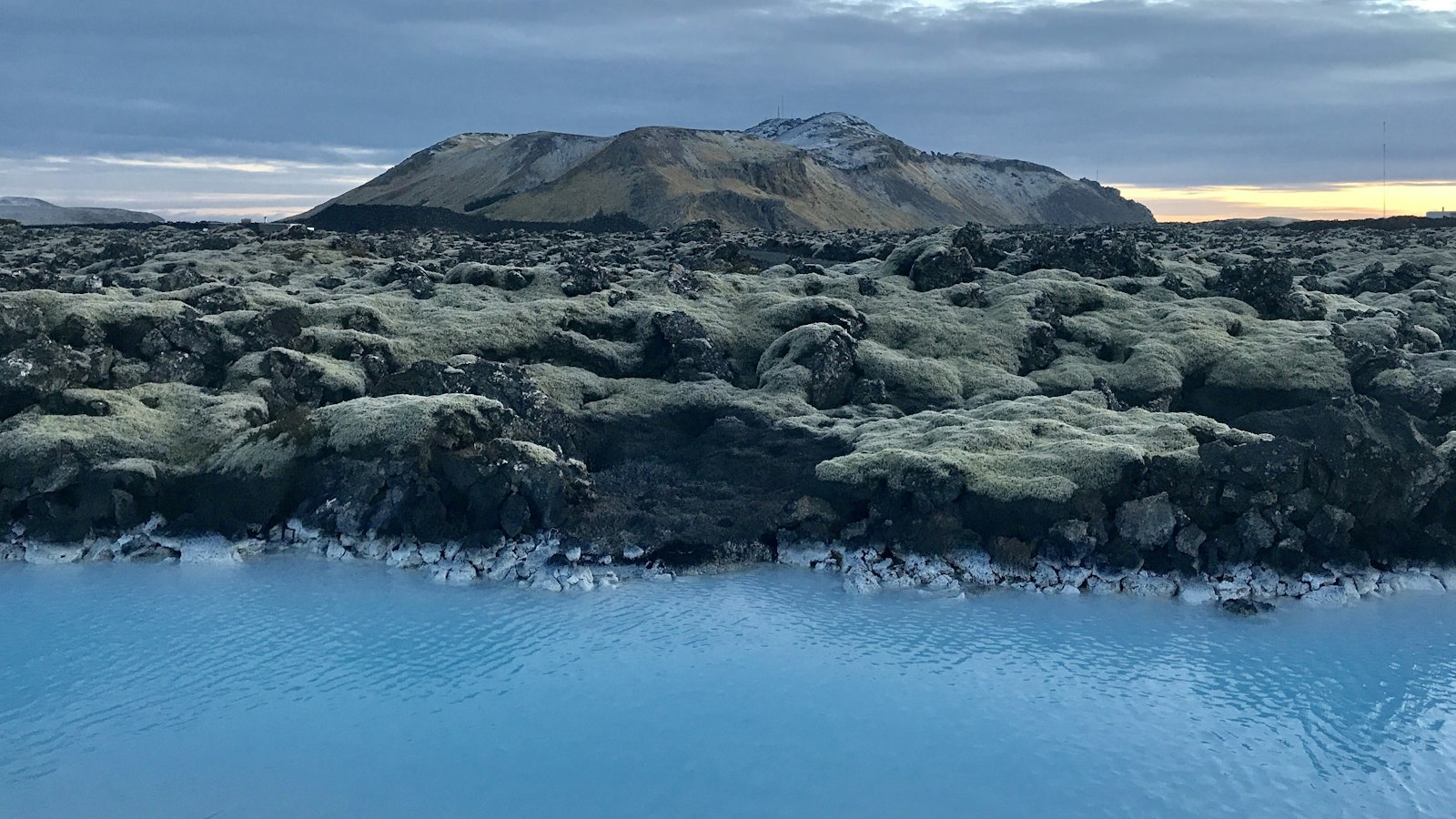
Southwest Iceland’s Southern Peninsula, known in Icelandic as Suðurnes, offers a crossroads of deep geological forces and the rhythms of contemporary Icelandic life. With just under 31,000 people in 2024, it is one of the island’s more densely populated regions outside the capital. The stretch covers the entirety of Reykjanesskagi, the Reykjanes Peninsula, where active geological activity shapes the landscape and the economy.
Where tectonic plates and communities meet
The administrative hub is Reykjanesbær, which emerged in 1995 from a merger of the neighbouring towns of Keflavík, Njarðvík and Hafnir. With almost 23,000 of the region’s residents today, Reykjanesbær is by far the largest settlement outside Greater Reykjavík. Keflavík International Airport, Iceland’s primary air gateway, is also located here, making the area a first impression for many arriving in the country. The airport remains the largest employer on the peninsula, drawing workers from all local communities.
Other towns have their own distinct identities. Grindavík, home to around 800, depends heavily on fishing and processing, reflecting a long maritime tradition. Neighboring settlements like Sandgerði and Suðurnesjabær share similar connections but have seen a reduction in fishing due to economic shifts such as the sale and consolidation of fishing quotas.
A landscape shaped by restless earth
Suðurnes lies atop the Reykjanes volcanic belt, where the submarine Mid-Atlantic Ridge emerges on land. This region is crisscrossed by volcanic and tectonic fissures, sometimes marked by the absence of vegetation amid broad lava fields. The proximity of the Eurasian and North American tectonic plates is notably visible at the Bridge Between Continents near Grindavík. This bridge, built in 2002, spans the Álfagjá rift valley, a reminder of Iceland’s unique place between two continents.
Geothermal features are everywhere: steaming vents and hot springs dot the landscape, particularly near Kleifarvatn lake and the Krýsuvík area. The Svartsengi power station harnesses this energy, and nearby, the Blue Lagoon spa uses the mineral-rich runoff water for its pools. Temperatures can reach 100 degrees Celsius just half a meter below the surface in some areas, underscoring the peninsula’s geologic vigour.
Recent events have highlighted this restlessness. After nearly eight centuries of volcanic quiet, eruptions at Fagradalsfjall in 2021 captured attention worldwide. Renewed seismic activity in 2023 around Grindavík led to evacuations and marked the beginning of the Sundhnúkur eruptions. While these events rarely threaten major population centres, they illustrate the peninsula’s dynamic nature.
Along with its striking natural forces, Suðurnes supports modern life with services unusual for a region its size. There are eight primary schools, a secondary school, a hospital, seven churches and a cinema, alongside a variety of retailers and service businesses. Many daily routines, from school commutes to fishing trips, unfold against a landscape shaped by both ancient and ongoing volcanic activity.
Sources
- Wikipedia
- Wikipedia (Icelandic) in Icelandic


