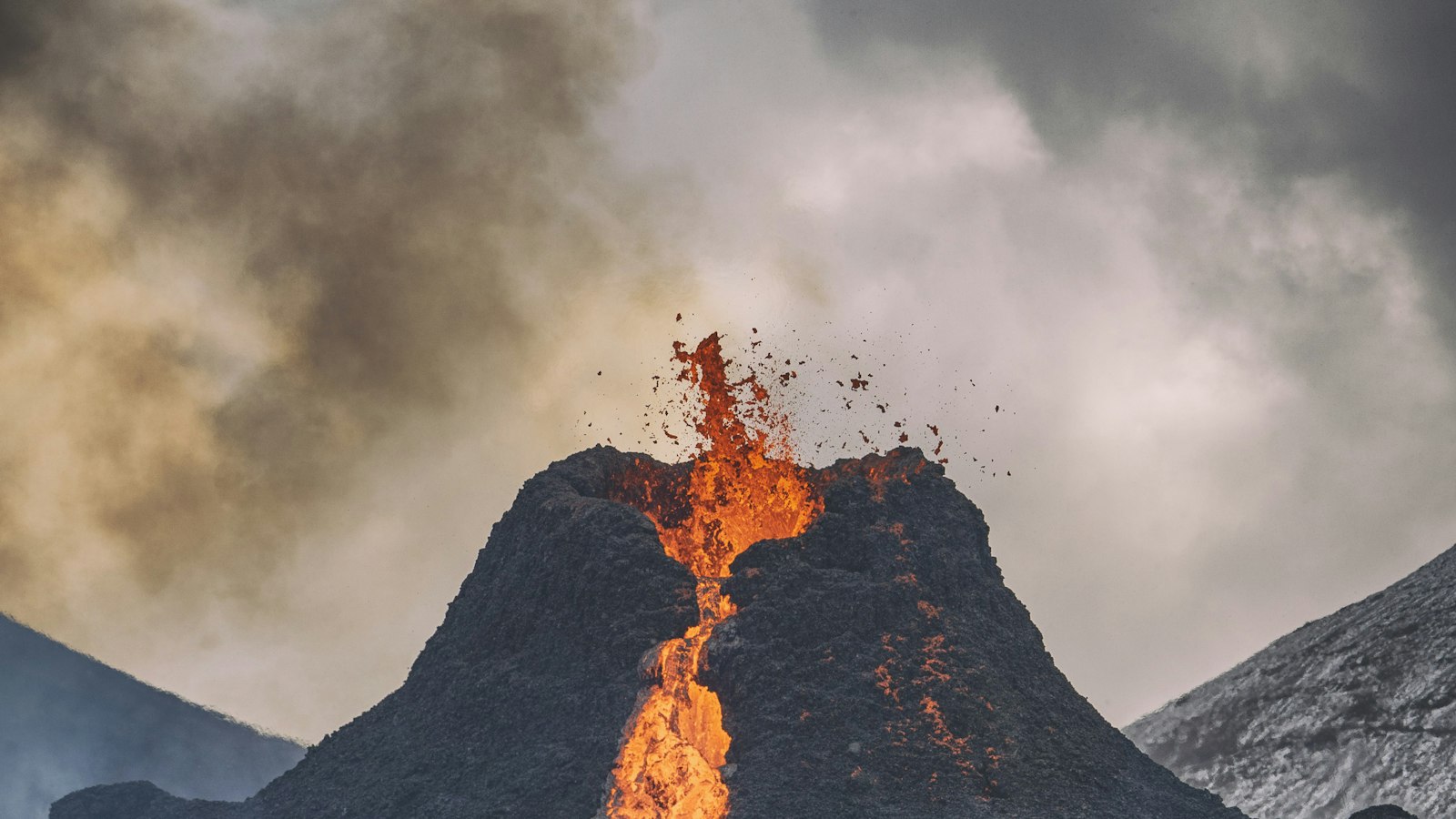
The Icelandic Meteorological Office, known locally as Veðurstofa Íslands, serves as more than a typical weather service. In addition to forecasting daily weather, this institution forms a cornerstone of Iceland’s civil protection system, monitoring everything from volcanic eruptions to avalanches and earthquakes.
A century of meteorological and geophysical insight
Founded on the first day of 1920, the office began as a branch of another organisation but became independent just five years later. Its mandate grew broader over the decades, reflecting the dynamic natural forces that continually reshape Iceland. In 2009, responsibilities for hydrology, previously managed by Vatnamælingar, were incorporated, expanding the office’s reach even further.
While storm warnings and weather outlooks are key tasks, the office also contributes to research in climate science, glaciers, avalanches, earthquakes and water systems. Its scientists regularly collaborate across Europe and the Nordic countries, leading projects that enhance the understanding and forecasting of hazardous events. One prominent example is the FUTUREVOLC project, centred on improving real-time monitoring of volcanic systems.
Leadership, research and new technologies
The institution has been steered by a series of general directors, each guiding the office through periods of rapid change. From its first leader Þorkell Þorkelsson to recent directors Árni Snorrason and Hildigunnur H.H. Thorsteinsson, the office’s focus has steadily advanced into new scientific territory.
Today, the Icelandic Meteorological Office operates with several specialist divisions, each analysing different aspects of Iceland’s environment. Beyond classical meteorology, its remit includes issuing alerts for severe weather, snow slides, significant shifts in river flow, seismic events and even the drifting of sea ice.
The office’s central role in forecasting is supported by cutting-edge infrastructure. Since 2016, it has managed a high-performance Cray XC30 computer system for the Danish Meteorological Institute, taking advantage of Iceland’s favourable conditions for energy-efficient computing. This system underpins both forecast development and daily weather operations, symbolising international trust in Iceland’s capabilities.
Milestones have marked the organisation’s journey. Its eightieth anniversary in 2000 was commemorated with a detailed history book. For the centenary in 2020, a statue was dedicated to the office, recognising a century of contributions to both the safety and scientific understanding of Iceland.
Sources
- Wikipedia
- Wikipedia (Icelandic) in Icelandic


