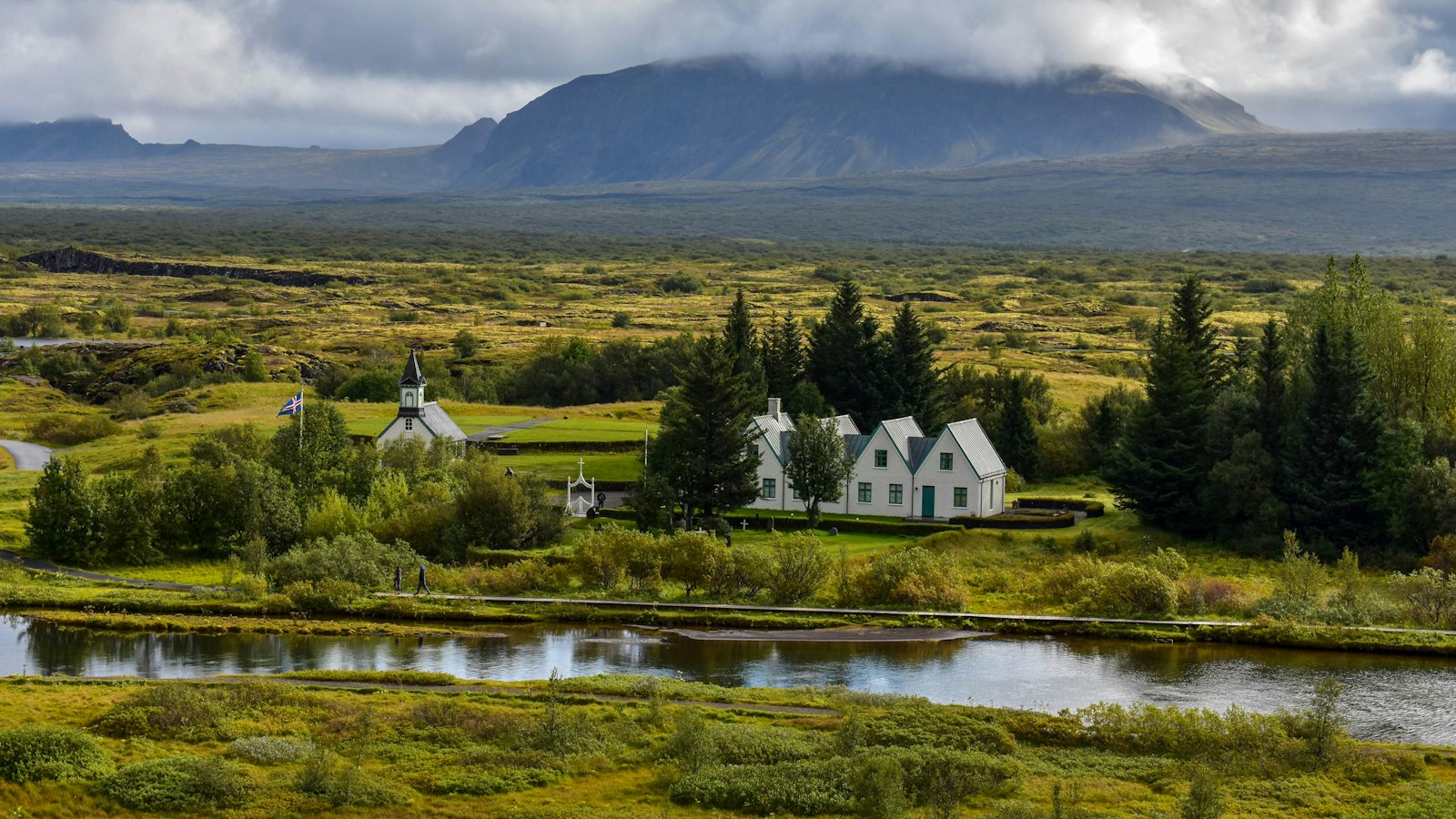
The relationship between Denmark and Iceland has evolved through centuries of shared history, reflecting both close ties and the gradual emergence of distinct national identities. Today, their partnership remains visible in numerous spheres, with both countries collaborating within European and Nordic organisations, and exchanging diplomats in their respective capitals and neighbouring regions.
Education and cultural currents
Beginning in the late Middle Ages, Danish governance of Iceland brought profound transformations. For generations, Copenhagen functioned as the principal gateway for Icelanders to the wider world. The University of Copenhagen served as the primary institution of higher learning for ambitious Icelanders until the early twentieth century. Many who sought education there returned home to hold influential positions in government and the church.
Danish customs, language and administrative practices permeated Icelandic society, especially among urban elites and those engaged in official life. The vocabulary and structure of written Icelandic absorbed numerous Danish elements, while spoken language and rural culture maintained strong local traditions. Towns only truly began to grow after 1800, with merchants, craftsmen, and Danish officials giving rise to new urban communities. Reykjavik, in particular, developed rapidly with Danish encouragement and enterprise.
Despite the strong Danish presence, everyday life for rural Icelanders changed much more slowly. The majority continued to live off the land and maintained an oral tradition anchored in Icelandic stories and sagas, largely insulated from external cultural shifts.
Religious life and literary exchange
The influence of Denmark extended deeply into Iceland’s church and religious culture. After the Reformation, Icelandic religious life increasingly reflected Danish practices, especially in hymnody and theological literature. Hymn texts and religious doctrine were often translated from Danish and German works, introducing new forms of worship. During the eighteenth and nineteenth centuries, Danish-trained clergy and the spread of Danish theological texts reinforced these connections, even as a local seminary eventually emerged in Reykjavik.
Literacy improved under Danish-inspired reforms, though some traditional Icelandic literature faced restrictions as part of a broader push for religious and moral discipline. Over time, a distinct Icelandic church identity developed, building on Danish foundations but increasingly informed by local faith and culture.
From union to independence
The late nineteenth and early twentieth centuries marked a turn toward Icelandic self-determination. The granting of a constitution, followed by home rule and eventual full sovereignty in union with Denmark, was accompanied by changing attitudes toward the Danish language and official culture. Intellectual debates questioned the extent of Danish influence, and policies encouraged a renewed focus on Icelandic heritage in schools and public life.
Formal separation from Denmark came during the turbulence of World War II, with Iceland declaring itself a republic in 1944. Despite this, academic, cultural and personal connections have endured, as many Icelanders continue to travel to Denmark for education and work. Today, both countries remain closely linked within various international institutions, and Icelandic consulates operate in Greenland and the Faroe Islands, reflecting the continuing relevance of these ties.


