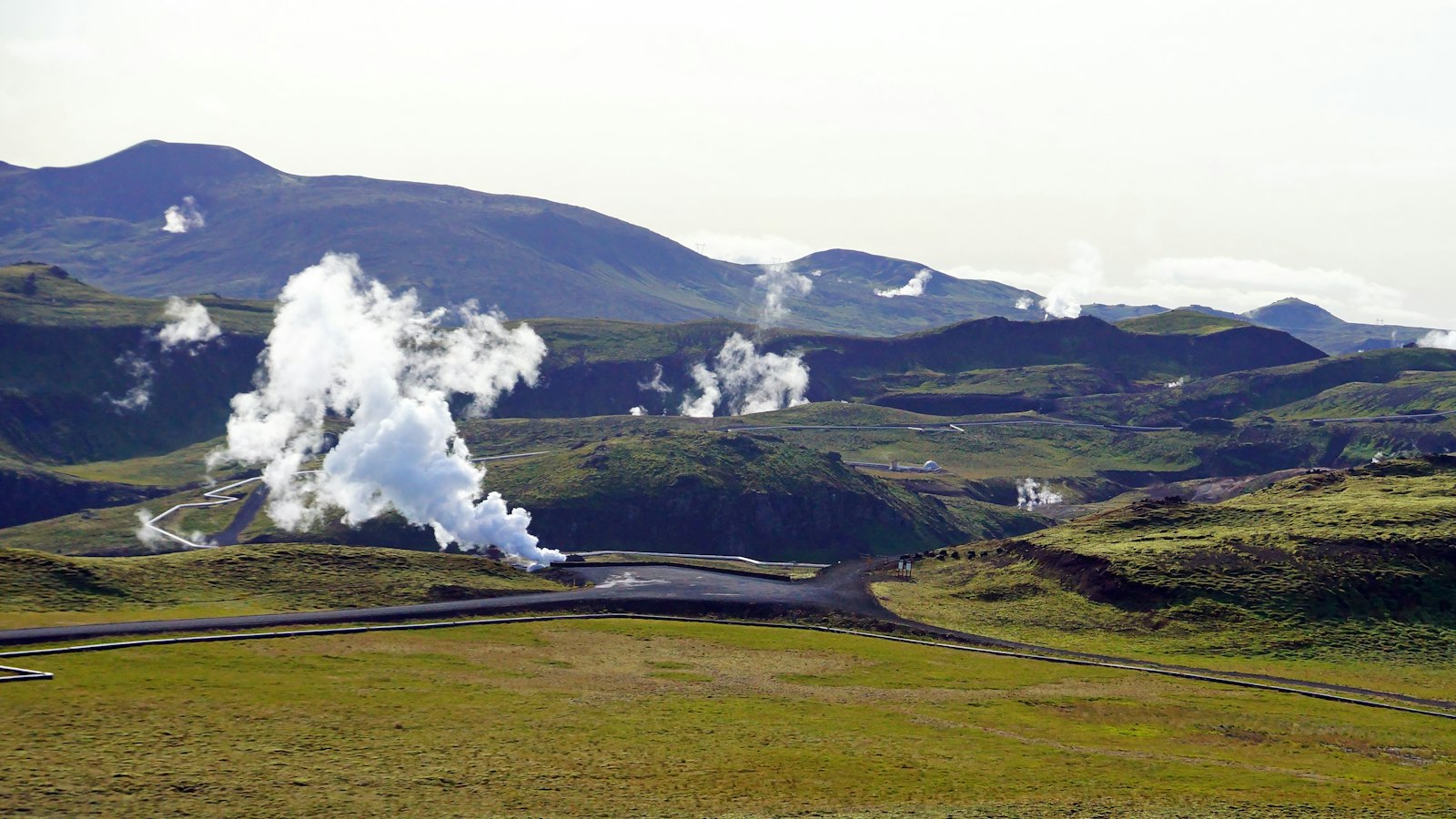
In Iceland’s south-west, daily comforts like warm showers and clean drinking water are tied to a single name: Orkuveita Reykjavíkur, or Reykjavík Energy. This municipally owned utility serves not only the capital but also 20 neighbouring communities, underpinning both modern lifestyles and Iceland’s commitment to using its volcanic resources wisely.
A century of utilities, united under one roof
Though Orkuveita Reykjavíkur was officially formed in 1999, its roots trace back much further. The Reykjavík Water Utility started delivering water in 1909. Electric service began in 1921, and Reykjavík’s geothermal district heating, now world-renowned, became its own entity in 1946. Over the decades, these separate utilities gradually merged, culminating in the present company at the turn of the millennium. Its expansion brought in systems from Akranes, Borgarbyggð and several other towns, reflecting a move towards shared infrastructure for a growing region.
Harnessing heat, light, and data
What sets Orkuveita Reykjavíkur apart is the company’s pioneering use of geothermal energy, drawing on the island’s volcanic geology. Its major geothermal plants, Nesjavellir and Hellisheiði, are located in the Hengill area, an active volcanic ridge. These cogeneration stations heat water for homes and industries while also producing electricity. Thanks to this approach, about 99 percent of houses in the capital region are warmed with geothermal heat.
Beyond heat and light, Orkuveita Reykjavíkur also manages drinking water, sewage and telecommunications. In 2007, the company launched a subsidiary, Ljósleiðarinn (the Fibre), extending wholesale fibre internet access across its service region. Another subsidiary, Carbfix, develops methods to tackle climate change by turning CO2 into stone underground, a process made possible by Iceland’s unique basalt formations.
Today, Orkuveita Reykjavíkur and its subsidiaries serve more than half the population of Iceland in electricity, heating, water and wastewater management. Its systems encompass Reykjavík, Akranes, Kópavogur, Mosfellsbær, Garðabær and beyond. The same heat that emerges from beneath the island to warm houses also allows the company to supply hot and cold water, as well as fibre-optic connectivity, from urban Reykjavík to smaller communities around Faxaflói bay.
A public asset guided by community
Orkuveita Reykjavíkur is owned by its users via their municipalities: 93.5 percent by Reykjavík, 5.5 percent by Akranes and 1 percent by Borgarbyggð. Board members are appointed by the city councils, ensuring that its management reflects community interests. Over the years, the company has weathered periods of political debate, restructuring and growth, always with the aim to provide reliable, sustainable services drawn from Iceland’s natural endowment.
Sources
- Wikipedia
- Wikipedia (Icelandic) in Icelandic


