Hallgrímur Helgason, born in Reykjavík in 1959, has become one of Iceland’s most distinctive voices in both literature and visual art. Beginning his creative journey as a painter before turning to writing, he represents a rare blend of artistic talents that continually shape contemporary Icelandic culture.
Early influences and family ties
Raised in a family spanning a variety of professions, Hallgrímur’s father led the Icelandic Road Administration while his mother worked as a kindergarten teacher. His siblings also pursued notable careers, with his brother Gunnar Helgason recognised for his contributions to children’s literature and acting. Such a diverse background helped foster Hallgrímur’s own eclectic range of interests.
From canvas to page
After attending art academies in Reykjavík and Munich in the early 1980s, Hallgrímur initially focused on visual art. He soon moved beyond the prevailing art trends of his time, creating vivid landscape paintings inspired by Iceland’s dramatic scenery. Solo exhibitions followed, not just in Iceland but across Europe, and his work became part of various museum collections.
During a period living in the United States, Hallgrímur began writing for an Icelandic newspaper, describing daily life in New York. He also produced a radio programme called ‘Radio Manhattan’ for Icelandic listeners, which captured impressions of city life recorded from his Hell’s Kitchen neighbourhood. This experience sparked his transition to literary pursuits, culminating in his first novel, ‘Hella,’ in 1990, a story shaped by cinematic influences and set in a small southern Icelandic village near volcanic landscapes.
A satirical and modern voice
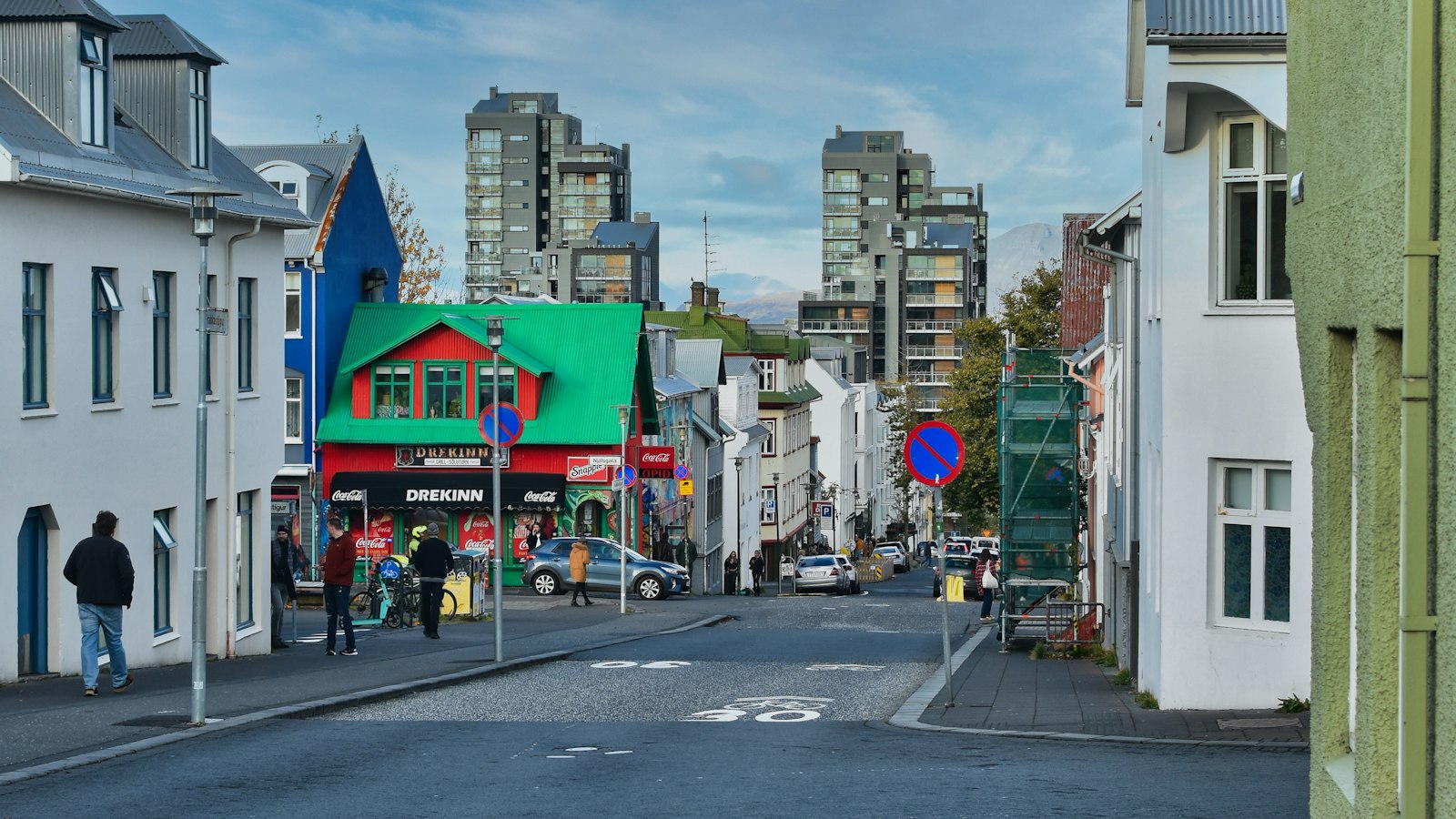
It was not until his second novel, published in 1994, that Hallgrímur established his distinctive writing style. He developed an energetic, irony-laced prose, turning a sharp eye on the quirks of local celebrity and the arts world. This approach reached wider popularity with ‘101 Reykjavík’ in 1996, which portrayed the life of a listless young man navigating Reykjavík’s downtown area. The book’s success grew after it was adapted into a film in 2000, eventually enjoying international attention and being published in many languages.
Many of Hallgrímur’s works have crossed artistic boundaries, as several novels have been adapted for both the stage and screen. Later novels such as ‘The Hitman’s Guide to Housecleaning’ and ‘The Thousand Degree Woman’ continued to explore unconventional characters and situations, and have been recognized both at home and abroad. His trilogy focusing on the character Gest Eilífsson even saw two titles win prestigious Icelandic literary awards.
Alongside his fiction, Hallgrímur has published poetry and has become known as a columnist and translator. He remains active in both his writing and painting, maintaining a presence in Reykjavík and on the island of Hrísey, and continuing to contribute to the evolving cultural life of Iceland.
Sources
- Wikipedia
- Wikipedia (Icelandic) in Icelandic


