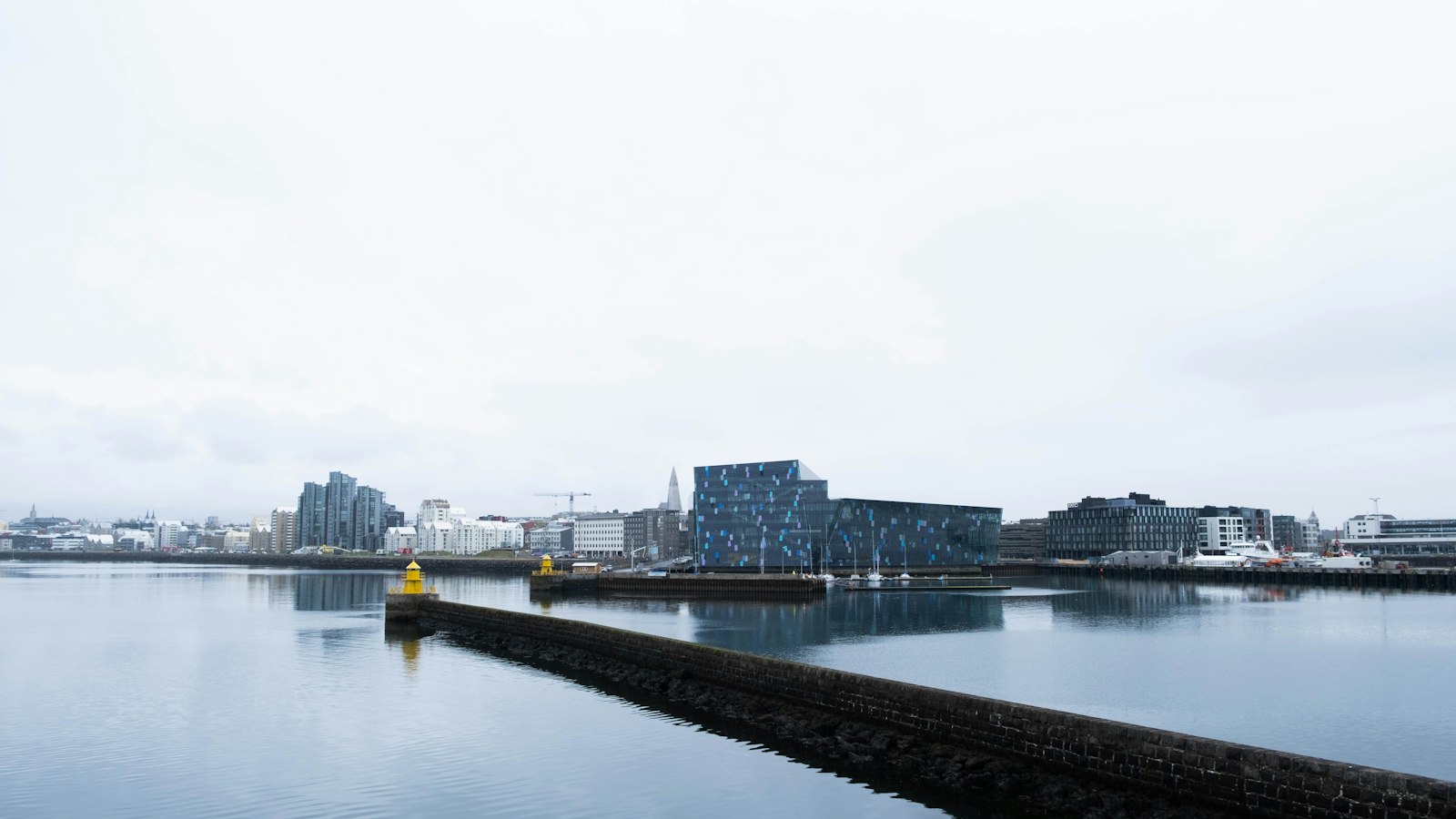
The Laugardalur neighbourhood of Reykjavík is set to welcome Þjóðarhöll, a new indoor sports facility that aims to transform Iceland’s approach to sporting and cultural events. When completed, the arena will be the country’s largest of its kind, able to seat 8,600 people and expand capacity for major concerts and public gatherings. This development marks a departure from the ageing Laugardalshöll, the city’s existing venue which has long struggled to meet international competition standards.
A response to changing demands
The story of Þjóðarhöll traces back many decades. By the mid-1990s, Reykjavík’s leaders were already discussing updates to their main indoor sports hall as they prepared to host the 1995 World Men’s Handball Championship. Temporary extensions were added, with extra seating for thousands more spectators. Once the tournament ended, those extra spaces became gyms and conference rooms, but over time, the limitations of the old hall became more obvious.
Officials and sports associations noted problems ranging from cramped security and floor areas to insufficient facilities for journalists and the public. International sports federations granted special permission for Iceland to continue hosting global handball and basketball matches in the venue, despite it not meeting modern requirements.
The road to a new national venue
After several studies, proposals and debates, momentum gathered behind creating a purpose-built arena. In 2020, a government working group began sketching out plans for what would become Þjóðarhöll, or “the national hall”. Both the state and city committed to funding, with Reykjavík covering the portions needed by local sports clubs and schools, and the national government adding facilities required for top-level matches. By 2023, plans for an 8,600-seat venue were approved, with the facility to be built just south of the current sports complex, linked by a new connecting building.
The project soon became noteworthy for its collaborative approach, with Icelandic and international teams competing to design and build the hall. The process, including public design competitions and multi-disciplinary teams, is seen as unusual by local standards. The arena will span up to 19,000 square metres, and recent cost estimates approach 16.8 billion ISK, a sum split 55 percent by the state and 45 percent by the city government.
The new building is planned as much more than a sports arena. Besides national handball and basketball, it will serve as a site for concerts, exhibitions, and public activities, becoming a key venue for Reykjavík’s diverse communities. The timeline now points to completion between 2029 and 2030, with hopes to play a role in the 2031 World Men’s Handball Championship, the kind of event that the current Laugardalshöll can no longer host to the highest standard. Provided construction remains on track, Þjóðarhöll is set to become a focal point for both sport and shared city life in Iceland’s capital.
Sources
- Wikipedia
- Wikipedia (Icelandic) in Icelandic


