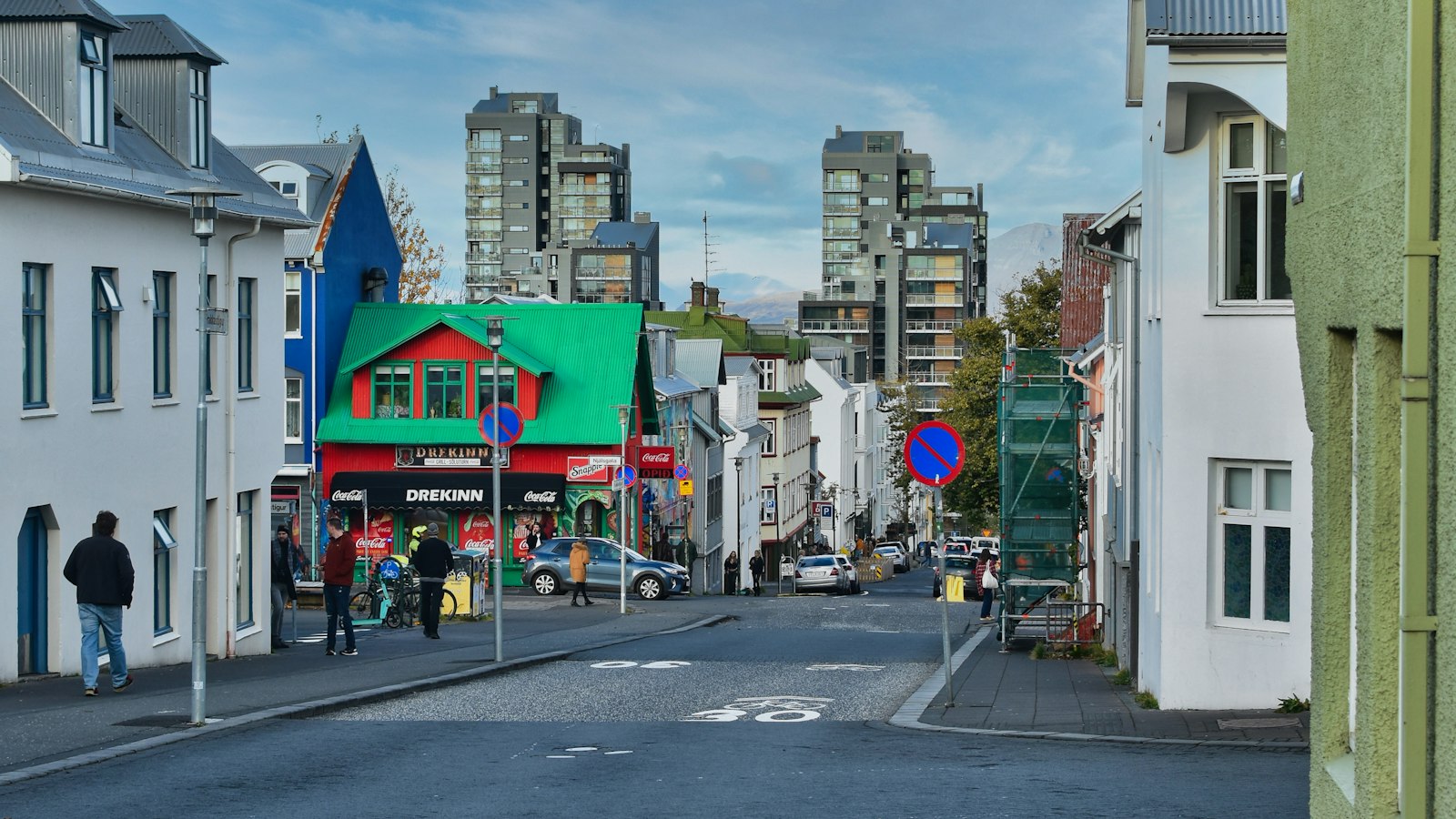
In 2009, the Icelandic novelist Ragnheiður Gestsdóttir published Hjartsláttur, meaning “heart-beat,” a story for young readers that stands out for both its structure and its contemporary insight. Set in Reykjavík at the time of financial upheaval, the novel brings together themes of identity, adolescence, and the broader social changes Iceland experienced during the late 2000s.
Multiple perspectives and a medieval echo
The storytelling method in Hjartsláttur is distinctive. The chapters are presented in third person, but each one gives centre stage to a single character. The titles of chapters bear the names of these central figures, and sometimes an important moment is narrated by different characters. This approach encourages readers to see how individuals interpret situations in their own ways. The romantic main plot draws inspiration from the legendary love story of Tristan and Isolde, with both the characters and the narrative itself echoing this medieval theme.
Young love and unfolding secrets
At its heart, the novel follows fifteen-year-olds Íris Sól and Tristan. Tristan, whose mother Gerður is Icelandic and whose father Karl is a Somali-Danish man, is new to Íris Sól’s school. Although Tristan’s blackness is mentioned at times, it does not define the plot. As the bond between Íris Sól and Tristan develops into a secret romance, they must navigate complex family dynamics and the social strains of the era. A key revelation in the book is that Tristan’s mother has never told Karl he has a son. The consequences of this secret ripple through the story as Tristan’s origins are gradually uncovered.
The financial backdrop is not merely scenery. Gerður finds herself unable to afford their Reykjavík flat as the crisis worsens, eventually considering work in Canada. For Tristan, the threat of moving sparks turmoil. His desperate action, running away, triggers a series of encounters across the city and its outskirts. Over three nights, Tristan takes shelter in diverse and sometimes precarious places: the Swedish furniture store Ikea, an unfinished housing project where he is hosted by Eastern European workers, and finally his grandparents’ stable near Keflavík.
A dramatic turn brings all the threads together at the stable, where Tristan, exhausted by his journey, faces danger from two men using the abandoned farm illegally. Rescued through the intervention of Íris Sól, joined by family and police, the story concludes with both family truths and the young couple’s relationship brought into the open.
While praised for its narrative technique and its depiction of Iceland during the 2008–2009 crisis, Hjartsláttur’s resolution has drawn comment for lacking realism, according to critic Margrét Tryggvadóttir.


