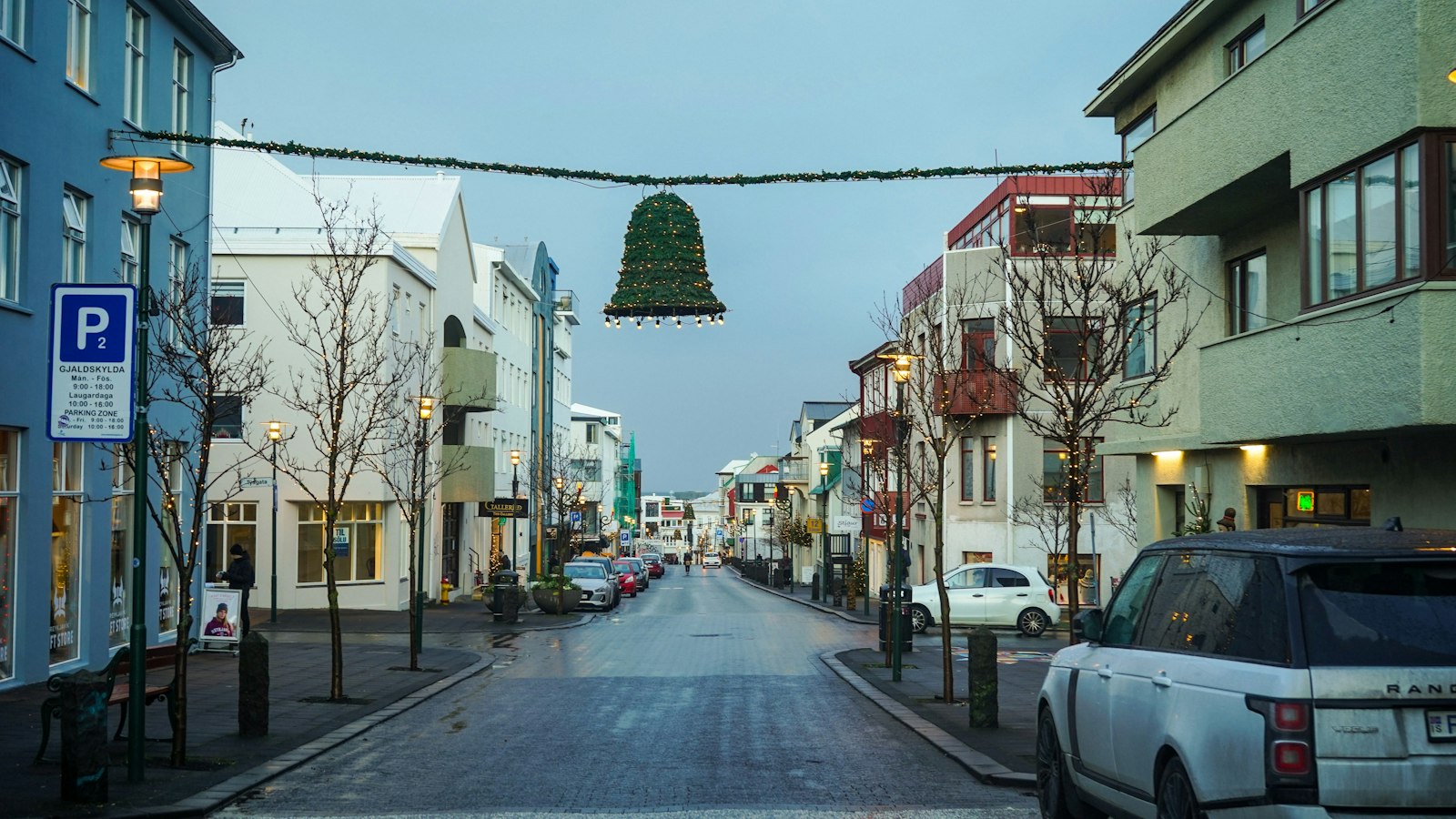
Icelandic Christmas traditions began not with elves in pointy hats, but with creatures meant to inspire obedience and caution. For centuries, families told stories about beings that appeared each December: an ogress who feasted on misbehaving children, a monstrous feline, and a group of unruly lads whose antics could leave treats or rotten reminders.
The mountain-dwellers: Grýla and her family
At the heart of these legends is Grýla, a figure with roots in Icelandic storytelling as far back as the 13th century. While initially described simply as a troll, Grýla later became the central menace of Christmas. She was said to leave her remote cave during the holiday season to find naughty children, carrying them off in a giant sack for her favourite meal: a stew of disobedient youths. The enduring tale emphasised that there would never be a shortage of food for Grýla, whose appetite was endless.
Her companion, Leppalúði, is described as her third husband and the laziest of ogres, rarely leaving the cave they share. Over time, stories placed their home in the Dimmuborgir lava fields, far from human settlements. Living with them is the Jólakötturinn, or Yule Cat, a fearsome beast said to roam the snowy landscape, devouring anyone who had not received new clothing before Christmas Eve. Acceptance of a new piece of clothing became symbolic protection against the feline’s hunger.
Thirteen nights of mischief
Grýla and Leppalúði’s sons are known as the Yule Lads or jólasveinar. These figures evolved from their earliest appearances as cautionary tales into a fixture of Icelandic festivities. Instead of joy-bringers, the lads once harassed or even threatened to kidnap children, their behaviour as alarming as their names: each referred to their mischief, from slamming doors to stealing food. Regional variations saw anywhere from nine to thirteen lads, with some stories including prankster sisters or different origins entirely.
By the 19th century, the folktale collector Jón Árnason documented their names, but it was not until the 20th century that poet Jóhannes úr Kötlum’s book established the now-familiar lineup of thirteen. In the modern era, these characters softened. Rather than abductors, the Yule Lads visit homes one by one on each of the thirteen nights before Yule, leaving small gifts in shoes children place on their windowsills. Mischief remains: a disobedient child might find a rotten potato instead.
The presence of trolls, ogres and talking animals in Icelandic Christmas reflects how communities filled the long winter darkness with stories. The tradition reveals much about survival, discipline and the peculiar humour of a remote island adapting ancient beliefs to modern celebrations.
Sources
- Wikipedia
- Wikipedia (Icelandic) in Icelandic


