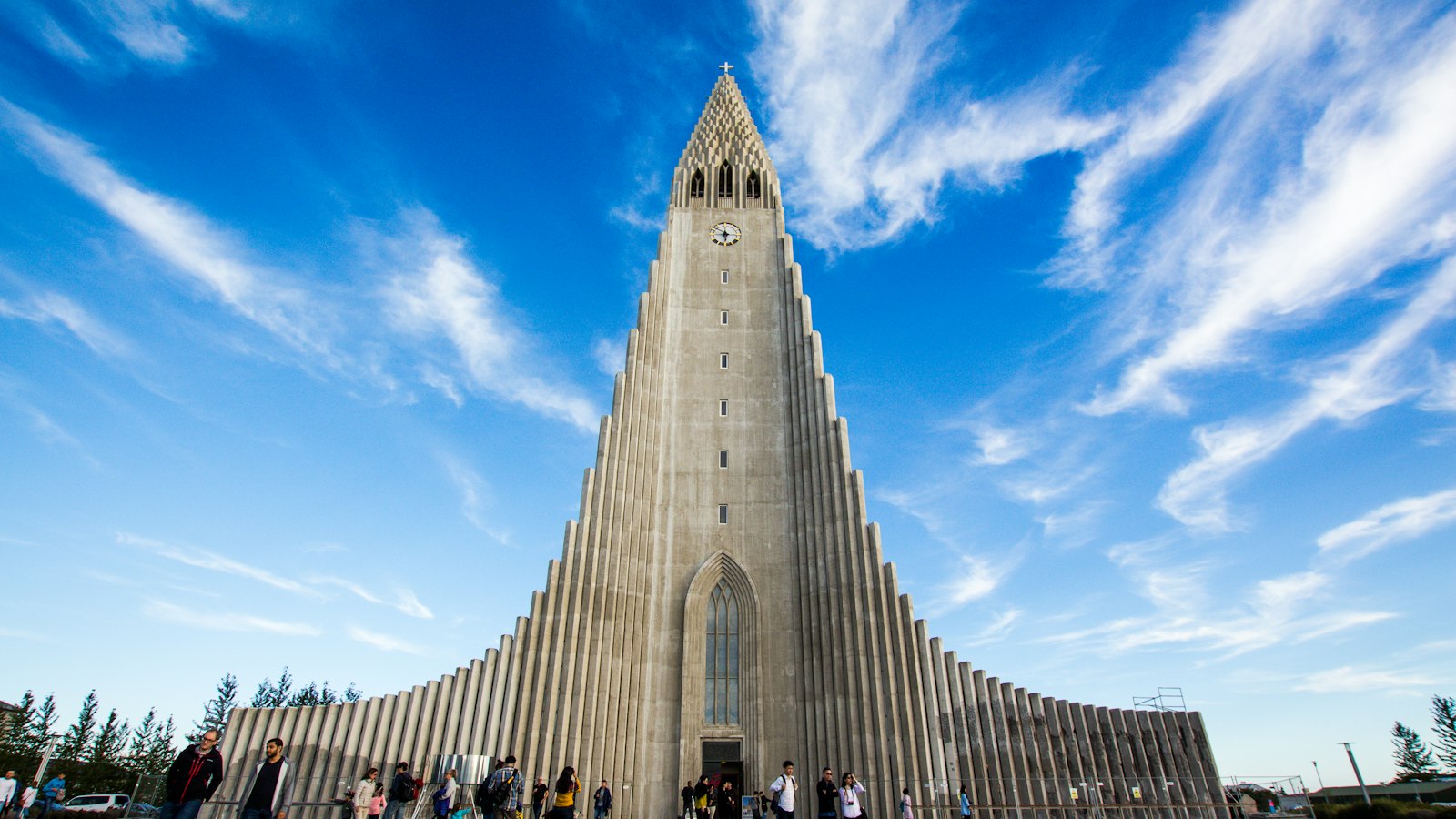
The Church of Iceland (Þjóðkirkjan) stands as one of the oldest unbroken institutions in the country, with its story woven into nearly every chapter of Icelandic history. Its journey from early missionary beginnings through centuries of transformation captures much about the nation’s development, identity and everyday life.
Origins and the choice at Alþingi
The earliest introduction of Christianity likely came with Irish monks long before permanent settlement. However, when Norse settlers established communities, most followed the pre-Christian beliefs of their homelands. By the year 1000, Iceland stood at a crossroads. The Alþingi, Iceland’s legislative assembly, faced the threat of civil strife over religious division. To avoid violence, a respected pagan chieftain, Þorgeir of Ljósavatn, was appointed to resolve the conflict. After a period of contemplation, he declared that all should embrace the Christian faith, while quietly allowing a handful of older customs in private. This compromise laid the foundation for Iceland’s Christian future.
Evolving faith and national identity
In the centuries that followed, Icelandic Christianity was closely linked to the power of the Roman Church. Bishops from abroad brought new traditions, scholarship and administration, with episcopal seats established at Skálholt in 1056 and Hólar in 1106. As Christianity became established, monasteries and churches collected land and influence, and the church was central to education and the development of written Icelandic. Religious life was reflected even in early translations of biblical texts and hymns that continue in use today.
The Lutheran Reformation reached Iceland around the middle of the 16th century, driven by European events and enforced by powers in Denmark. The shift was not peaceful: the last Catholic bishop, Jón Arason of Hólar, was executed in 1550. The new Lutheran order led to the closure of monasteries, but also to a remarkable period of literary activity. Translations of the New Testament (1540) and the entire Bible (1584) played a significant role in preserving written Icelandic, fostering a literary culture that still endures.
In modern times, the Church of Iceland has adapted to accommodate religious diversity while retaining its position as the national church, affirmed by the country’s constitution. Since 1874, religious freedom has allowed for the formation of many new religious groups, but Þjóðkirkjan continues to influence public ceremonies and aspects of daily life. Approximately 54 percent of the population currently belongs to the church.
The church is governed as a single diocese, led by the Bishop of Iceland. In 2012, Agnes M. Sigurðardóttir became the first woman to hold this position, followed by Guðrún Karls Helgudóttir in 2024. The traditional episcopal seats at Skálholt and Hólar remain important, each with its own bishop. Income for church operations comes partly from a parish fee system, as well as direct support from the state according to agreements that reflect the church’s long historical role and former landholdings.
Shifts in theology and society over the last century have brought challenges and debates within the church, reflecting broader trends in Icelandic life. From the rural prayers of fishing communities to modern urban congregations, the Church of Iceland continues to play a visible, if sometimes debated, role in shaping the country’s cultural landscape.
Sources
- Wikipedia
- Wikipedia (Icelandic) in Icelandic


