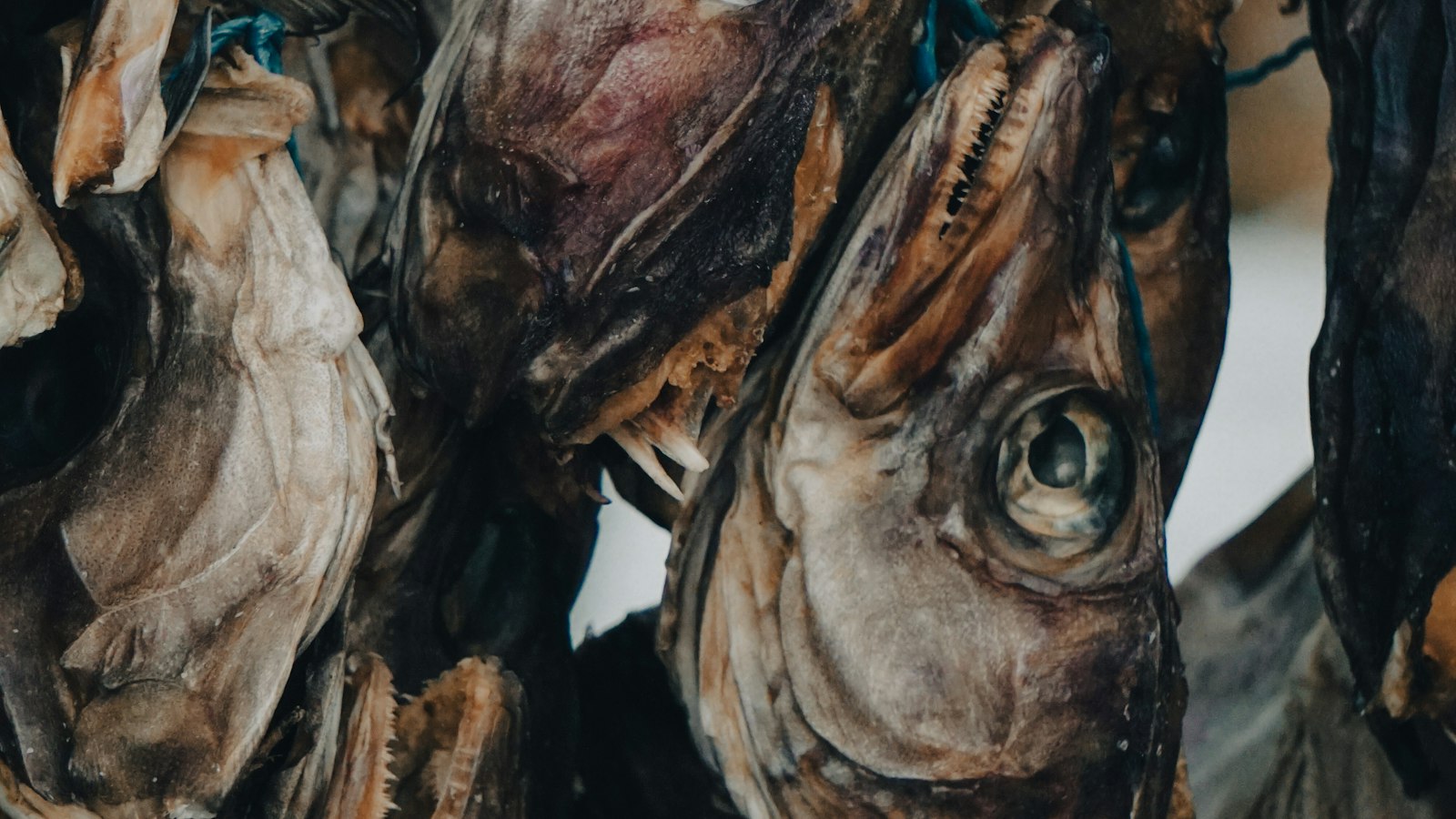
When winter holds its firmest grip on Iceland, a distinctive platter known as Þorramatur comes to many tables across the country. Named after the old calendar month of Þorri, which spans part of January through February, Þorramatur means “food of Þorri” in Icelandic. This buffet presents a wide array of preserved meats and fish, as well as dense rye bread and the signature local spirit, brennivín, reviving dishes from Iceland’s rural heritage.
From city invention to countryside tradition
Despite appearances, Þorramatur is not an unbroken folklore relic but an example of an invented tradition. Its roots lie in Reykjavik’s postwar years, when the city’s population boomed as people left the countryside for urban life. Regional associations of new arrivals organised midwinter feasts in the 1950s and 1960s where familiar foods, long absent from urban tables, were served as country buffets. These events soon became popular cultural markers for Icelanders reconnecting with their rural past.
The turning point came in 1958 when a Reykjavik restaurant, Naustið, deliberately styled these foods into a unified buffet and served them in wooden troughs modeled on historical containers from the National Museum. This was the first appearance of the term “Þorramatur” in Icelandic print. It was a hit among diners, so successful that other restaurants copied the idea, and the concept began spreading into student and regional association celebrations known as Þorrablót, or “Þorri-feasts.”
Changing tastes, enduring rituals
Throughout the following decades, the Þorramatur buffet evolved as both city and countryside embraced it. As mass production replaced individual preparation, some foods became standard features throughout Iceland, while local delicacies occasionally rejoined the lineup. What began as a way for urbanites to reconnect with their roots has since come full circle, with many rural communities now celebrating Þorrablót as a winter highlight in their own right.
Many of the dishes on a Þorramatur platter are preserved in ways that reflect old methods of storage, especially fermentation with lactic acid. Some, like súrsaðir hrútspungar (ram’s testicles cured with acid), are inseparable from this tangy preparation, while others now offer a choice between sour and non-sour versions to suit contemporary palates. Alongside fermented shark (kæstur hákarl), wind-dried fish (harðfiskur), blood pudding (blóðmör), and smoked lamb (hangikjöt), one may find rarities such as seals’ flippers from Breiðafjörður or whale blubber pickled in sour milk.
The festival setting is almost as important as the food itself. Whether at large public gatherings or intimate family meals, the feast is typically accompanied by rúgbrauð (dark rye bread), butter, and generous servings of brennivín. In modern times, supermarkets across Iceland assemble Þorramatur selections for easy enjoyment at home, while restaurants present the buffet on wooden platters or troughs, echoing its symbolic link to the country’s past.
Sources
- Wikipedia
- Wikipedia (Icelandic) in Icelandic


