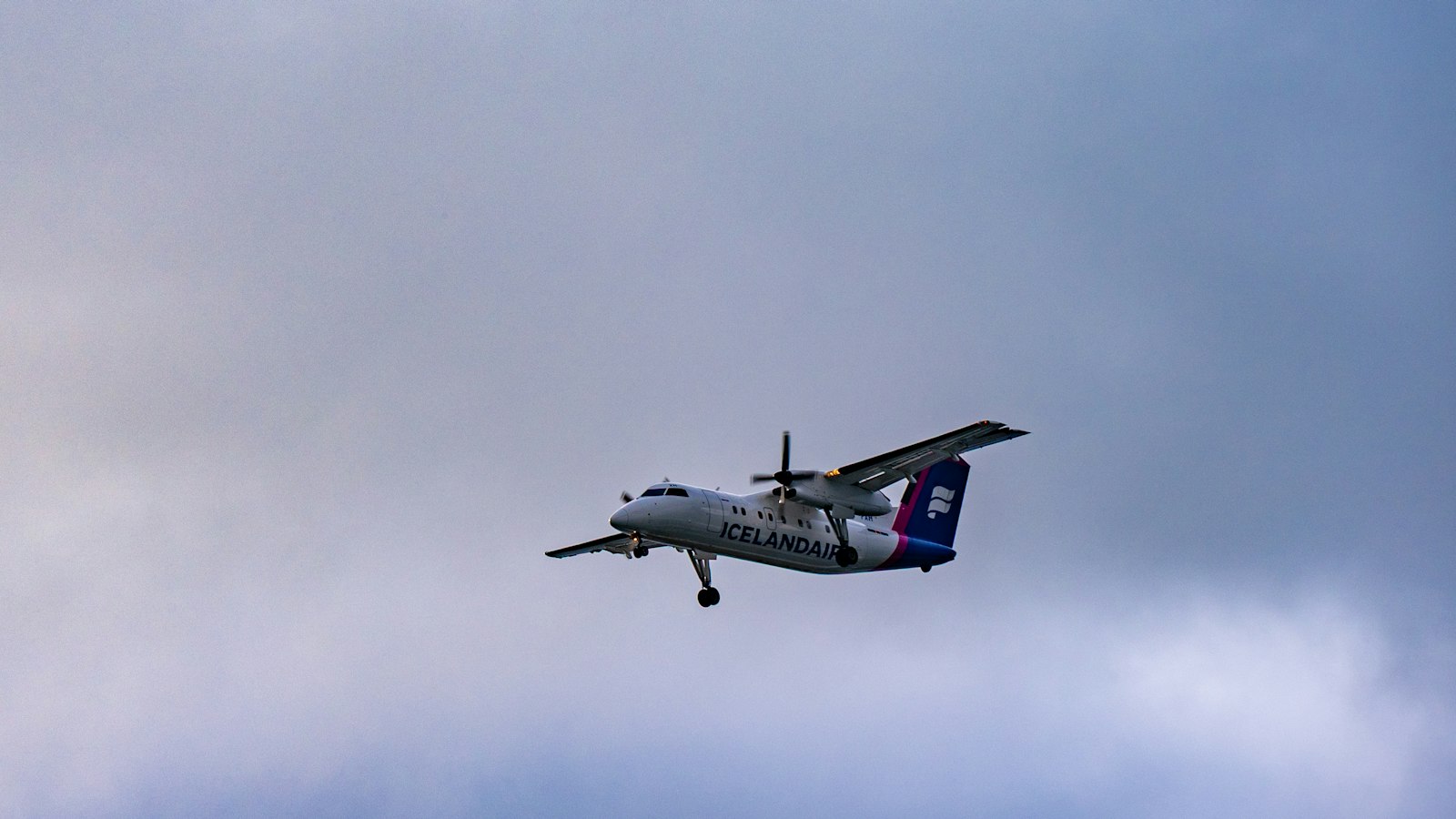
Air travel across the vast distances and often challenging landscapes of Iceland and its Arctic neighbours has long required specialised airlines. One carrier, known most recently as Air Iceland Connect, has undergone a particularly dynamic evolution reflecting the changing needs and ambitions of the country it served.
Tracing Icelandic aviation history
The story begins in 1937 with the foundation of Flugfélag Akureyrar in northern Iceland. Within three years, it was renamed Flugfélag Íslands, marking the third time this national name had been adopted since 1919. In the decades that followed, Iceland’s airline industry saw frequent transformation, with mergers and new ventures continually shaping the country’s connections at home and abroad.
A major convergence came in 1973, when Flugfélag Íslands merged with Loftleiðir, creating Flugleiðir, a company known internationally as Icelandair. The domestic branch continued to operate under the original Icelandic names, while forging ties with other local carriers. Notably, in 1997, Flugfélag Norðurlands (another Akureyri-based company) merged with Flugleiðir’s domestic operations to revive the Flugfélag Íslands name, this time with Air Iceland as its English brand. The company would later be known as Air Iceland Connect.
Regional bridges and international forays
For many years, Air Iceland Connect formed Iceland’s aerial spine, linking Reykjavík with smaller towns including Akureyri, Egilsstaðir, Ísafjörður and the Westman Islands (Vestmannaeyjar). Its partnership with Norlandair enabled vital flights from Akureyri to remote communities such as Grímsey, Þórshöfn and Vopnafjörður. The airline’s reach extended across the Atlantic to Greenland, offering regular connections to places like Kulusuk, Narsarsuaq, Nuuk and Ilulissat, several of which are airports with short runways requiring specially adapted aircraft.
Fleet developments played a critical role in shaping this network. Over the years, Air Iceland Connect phased out older Fokker 50s and smaller De Havilland Twin Otters in favour of newer Bombardier Dash 8 models, including types compatible with Greenland’s short runways. These aircraft allowed the airline to maintain year-round and seasonal services to both Icelandic and Greenlandic destinations, strengthening economic, social and even family ties across the North Atlantic.
The airline also experimented with international routes further afield, launching flights to Aberdeen and Belfast in the mid-2010s. However, these services proved short-lived and were withdrawn when the airline decided to concentrate once again on its regional core.
Throughout its history, Air Iceland Connect’s role was not without challenges. It experienced a handful of accidents, some resulting in loss of life during the airline’s formative decades, and others where skilled piloting averted disaster.
In March 2021, a significant transition occurred: Air Iceland Connect’s separate brand and web presence were merged with Icelandair, uniting domestic and international services under one identity. The company continues to operate domestic flights under its Air Operator’s Certificate, but passengers now know it simply as part of the Icelandair network.
For those interested in Iceland’s social and economic development, the evolution of Air Iceland Connect provides a lens on how the country has faced challenges of distance and geography, always seeking to adapt and connect communities in ever-changing ways.
Sources
- Wikipedia
- Wikipedia (Icelandic) in Icelandic


