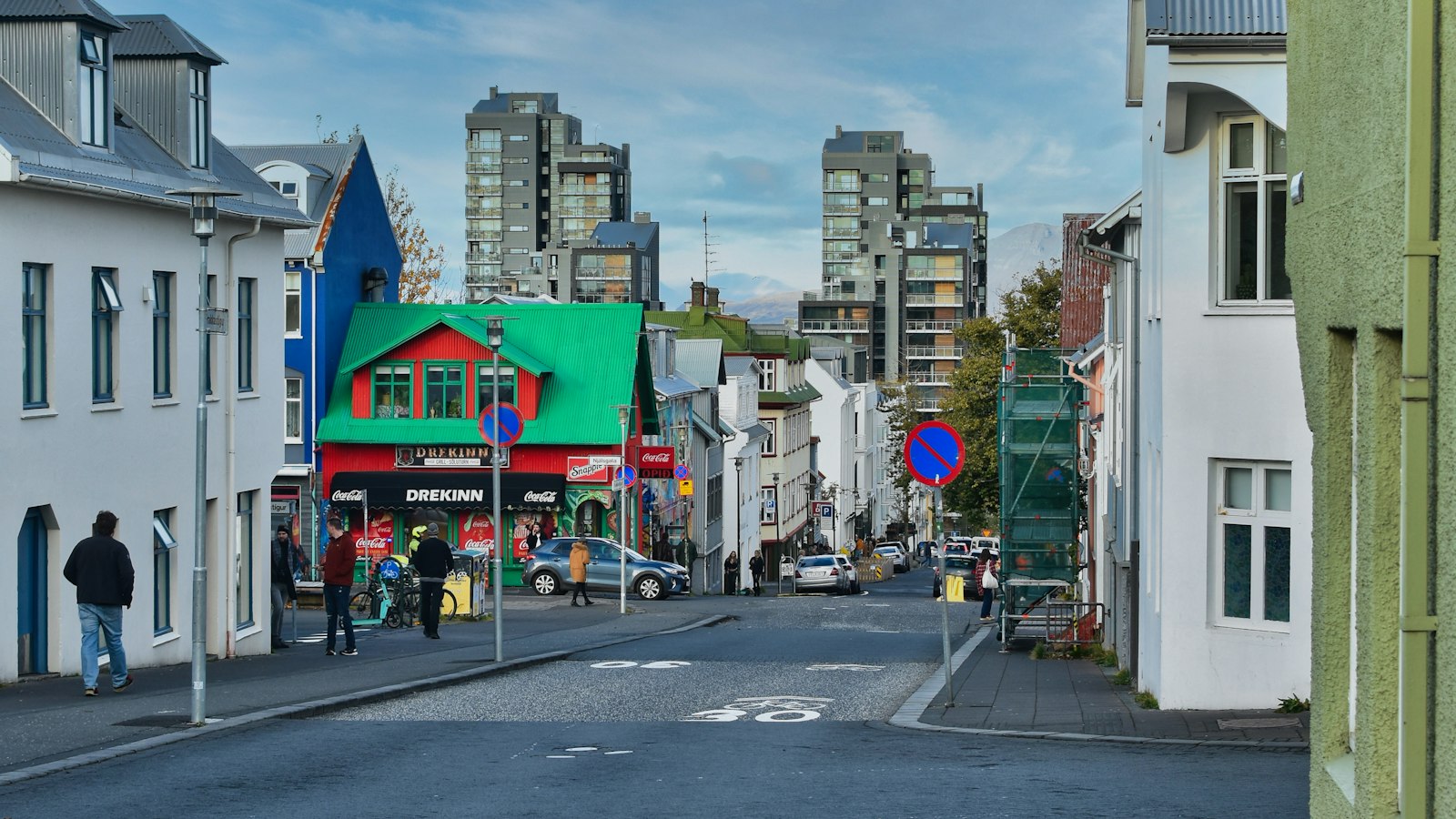
For readers interested in the complex world of modern Icelandic literature, the name Steinar Bragi Guðmundsson stands out. Born in 1975, Steinar Bragi has become one of Iceland’s most recognised contemporary authors, often considered by many as the leading literary figure of his generation. His distinctive work weaves together commentary on current affairs, popular culture, and an unsettling sense of the uncanny.
Early beginnings and evolving styles
Steinar Bragi first made his mark as a poet. His debut, “Svarthol” (meaning “Black Hole”), was published in 1998, quickly followed by “Augnkúluvökvi” (“Eyeball Liquid”) the next year. His passion for literature and philosophy led him to study both subjects at the University of Iceland, nurturing the intellectual foundations that would underpin his future writing.
His first novel, “Turninn” (“The Tower”), appeared in 2000, marking the beginning of a prolific career in prose. Throughout the following years, he published works like “Áhyggjudúkkur” (“Worrydolls”) and “Sólskinsfólkið” (“The Sunshine People”), steadily building a reputation for unflinching narrative and psychological intensity.
A response to an unsettled society
The financial crisis that rocked Iceland in 2008, an event that dominated headlines and upended daily life for many Icelanders, became a pivotal theme in Steinar Bragi’s later work. Novels such as “Konur” (“Women”) and “Hálendið: Skáldsaga” (“The Highlands: A Novel”) delve into the cultural anxieties and shifting realities of the period. “Konur” in particular achieved both critical acclaim and commercial success, leading to a nomination for the Nordic Council literature prize.
Steinar Bragi is sometimes linked to a ‘new wave’ of Icelandic writers characterised by bold experimentation and a willingness to draw on global influences. In his case, a fascination with the grotesque and horror, echoing writers like H. P. Lovecraft, infuses his prose with an otherworldly unease. Yet his writing always remains grounded in a keen observation of Icelandic society, maintaining a conversation between the unsettling and the everyday.
Over the years, Steinar Bragi’s bibliography has grown to include more than a dozen books, spanning poetry, novels, short stories, and even a play. His works have appeared under the banners of established publishers such as Bjartur and Mál og menning, and even the avant-garde collective Nýhil, mirroring his willingness to navigate between mainstream recognition and literary innovation.
Steinar Bragi’s impact is recognized not just by his readers but also through accolades, with nominations for prestigious honours like the Nordic Council literature prize and the receipt of cultural awards in Iceland.
Sources
- Wikipedia
- Wikipedia (Icelandic) in Icelandic


