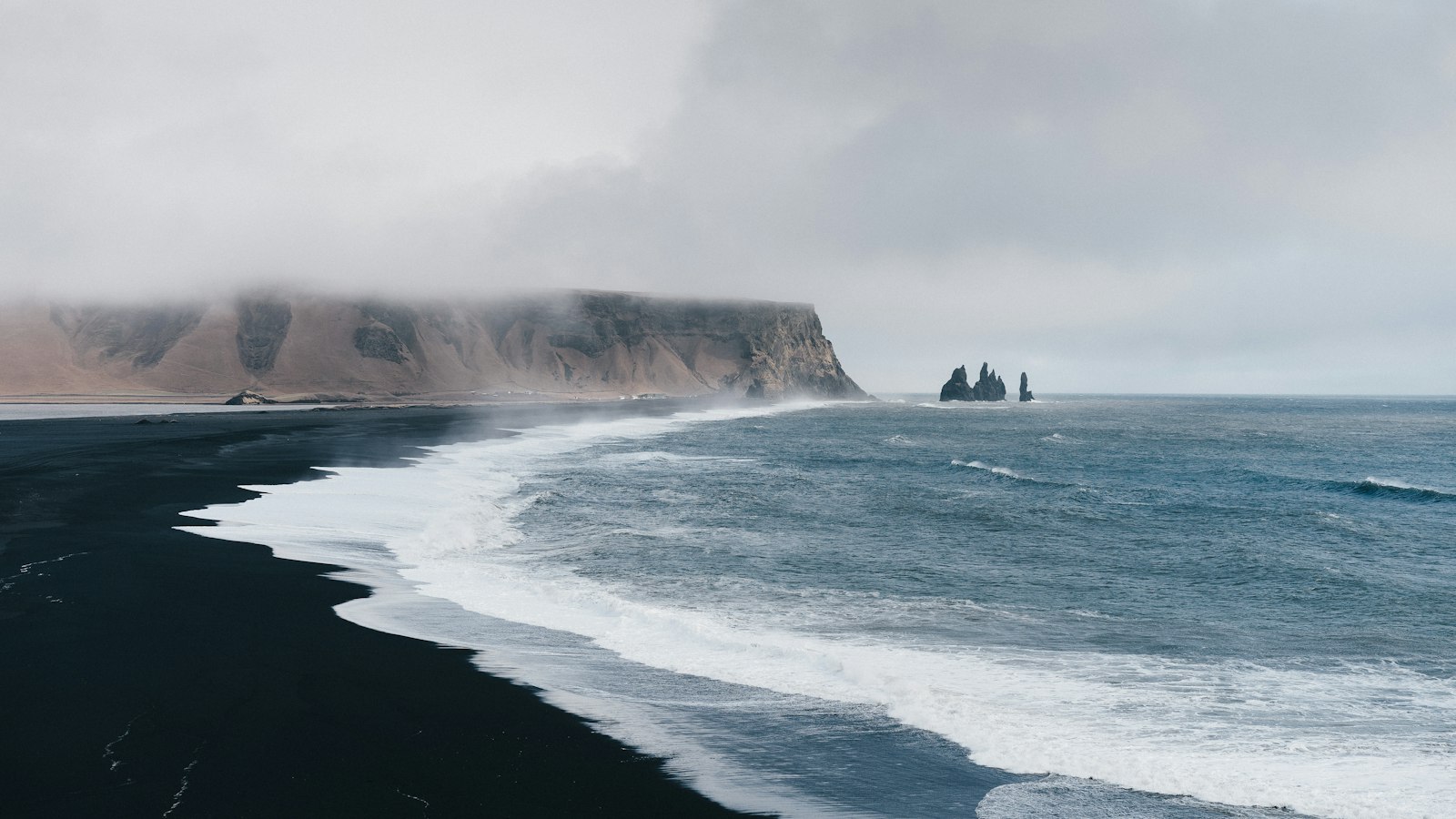
In certain rugged corners of Sweden, steep cliffs bear a peculiar name: Ättestupa, meaning “kin precipice” in Swedish. For generations, these sites have been associated with a dramatic legend, a story claiming that, in ancient times, the elderly were expected to plunge to their deaths when they could no longer contribute to the community. The idea has a powerful grip on the imagination, but the origins and truth behind the Ättestupa legend are far from straightforward.
A saga’s legacy and the birth of a myth
The legend’s roots stretch back to literature, not to verified historical practice. The Old Icelandic “Gautreks saga” tells of a particularly miserly family so unwilling to spend money on hospitality that its members opt to leap from a cliff, called Ættarstapi or Ætternisstapi, rather than share their resources. This story, with its comically exaggerated characters, was set in the region of Götaland in Sweden and became known to wider Swedish audiences in the seventeenth century through the work of Olaus Verelius, who published a translation in 1664.
Inspired by the saga, Swedish scholars of the seventeenth to nineteenth centuries began attaching the name ättestupa to various cliffs around the country. From Keillers Park in Gothenburg to the forests near Åby and the western faces of Omberg in Östergötland, numerous locations acquired the label, despite the lack of historical evidence for actual ritual senicide ever having taken place.
Ancient stories and modern debates
Records from antiquity do mention suicide precipices. Writings about the Ligurians, Heruli, and Hyperboreans describe practices where people might choose a cliff over a natural death, but these accounts do not directly refer to Sweden or its traditions. By the late nineteenth century, linguist Adolf Noreen had challenged the ättestupa myth, and today most researchers agree that the ritual killings reputed to have taken place at these locations did not occur.
Nevertheless, the legend continues to resonate. In modern Sweden, the term ättestupa sometimes reappears in political debates, used as a metaphor to warn about the potential consequences of inadequate pensions and social security for elders. The image of the cliff has surfaced in popular culture as well, including radio satire from the 1960s and international fiction and television, such as the 2019 film “Midsommar” and episodes of “Ghosts” and “Norsemen.” These references keep the idea alive, even as researchers view it as a product of storytelling rather than evidence.
The case of Ättestupa illustrates how a society’s fears and values can become attached to its landscapes. Instead of a window into ancient Norse practice, these cliffs reflect changing ideas about age, community, and the ways in which stories become embedded in geography.


