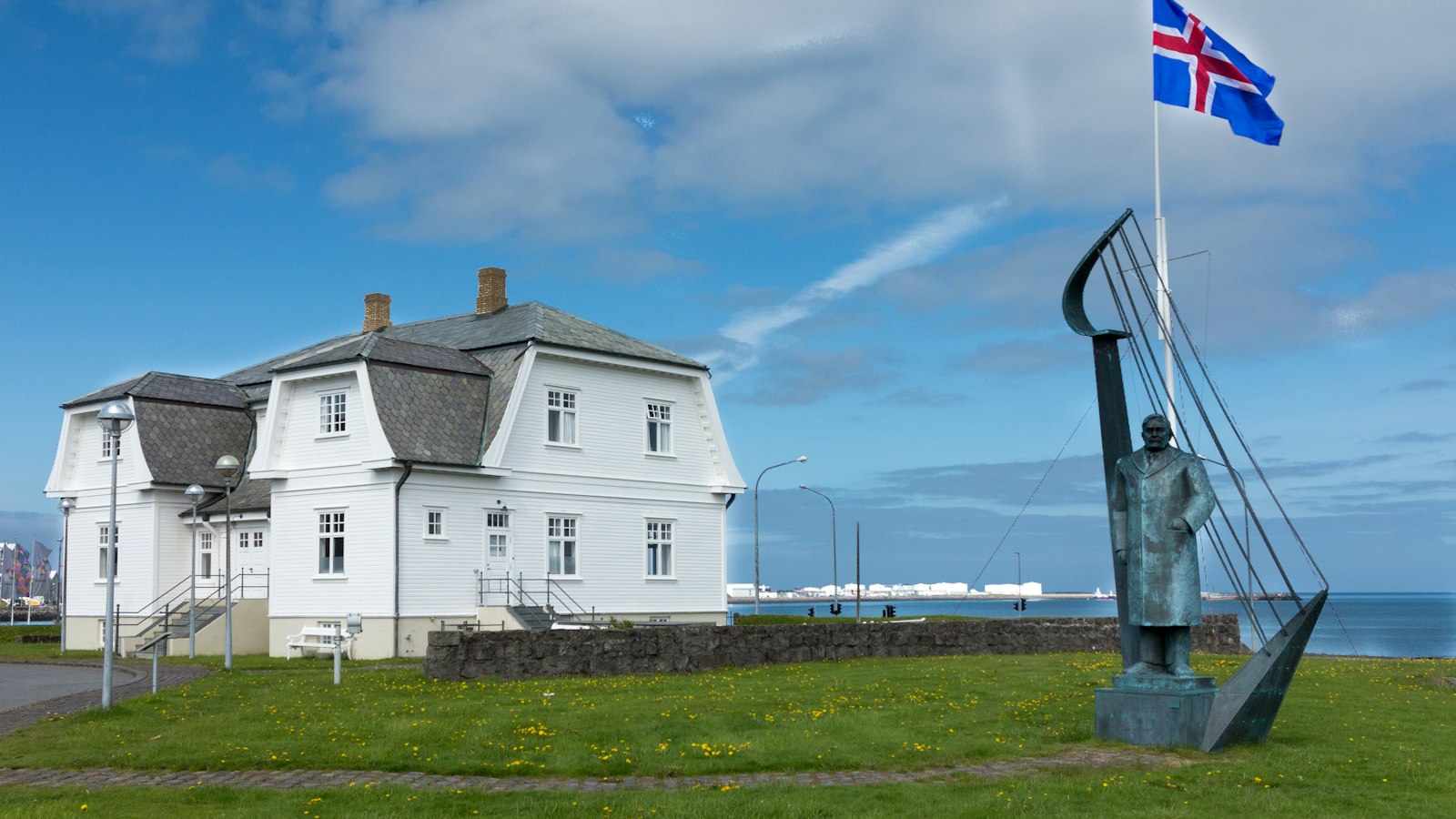
The bond between Iceland and the United Kingdom has passed through intense conflict, major diplomatic shifts and ongoing collaboration. While both countries today share common interests and work together in international organisations, the course of their relations has taken dramatic turns since the early twentieth century.
World War II and the road to Icelandic independence
In 1940, British troops landed in Iceland, sparked by fears that Nazi Germany, having invaded Denmark, might attempt to use Iceland strategically. At the time, Iceland was an autonomous part of the Kingdom of Denmark, following the Danish–Icelandic Act of Union of 1918. British forces occupied Icelandic territory until 1941, when defence responsibilities were shifted to the United States.
Iceland declared its independence on 17 June 1944, after a referendum and when the Act of Union had expired. London officially recognised the new Icelandic republic, as did the Danish king. The occupation and subsequent independence set the stage for a new phase in relations.
From Cod Wars to cooperation
In the decades following independence, relations between the two North Atlantic neighbours grew tense, with the so-called Cod Wars dominating headlines in the 1950s and 1970s. The confrontations centred on fishing rights and the extension of Iceland’s control over North Atlantic fisheries. In February 1976, matters escalated so far that Iceland broke diplomatic ties with Britain, an extraordinary event among NATO allies, though diplomatic relations resumed a few months later.
Since then, ties have improved. Both countries value free trade and environmental protection and participate together in alliances such as NATO and the Joint Expeditionary Force. Official visits have marked these closer ties, including a state visit by Queen Elizabeth II to Iceland in 1990 and, in 2015, Prime Minister David Cameron became the first UK prime minister to officially visit the republic, attending the Northern Future Forum in Reykjavík.
Diplomatic presence is strong: the UK has an embassy in Reykjavík’s Miðborg district, while Iceland maintains an embassy in London’s Kensington and honorary consulates in several British cities including Aberdeen, Liverpool, and Manchester among others.
Disputes in modern times
Despite improved relations, disagreements continue to arise. The collapse of Icelandic banks in the 2000s led to the Icesave dispute, as UK assets were frozen and diplomatic tensions mounted between Iceland, the UK, Germany and the Netherlands. Another source of friction has been fishing quotas, shifting from cod to mackerel. Changes in mackerel migration patterns have brought renewed disputes over quota allocations among Iceland, the UK, Ireland, Norway and the European Union.
Territorial claims also linger. The uninhabited islet of Rockall in the North Atlantic is claimed by both the United Kingdom and Iceland, as well as Ireland and Denmark (representing the Faroe Islands). So far, the UK and Ireland have reached a power sharing arrangement, but no resolution has emerged between Iceland and the UK on this issue.


