Játningar mjólkurfernuskálds, which translates as “confessions of a milk-carton poet,” marks the novelistic debut of Arndís Þórarinsdóttir. Published in Reykjavík in 2011, the book quickly drew attention, landing a nomination for the Nordic Children’s Book Prize two years later. The narrative uses a distinctively Icelandic cultural touchstone, the tradition of printing children’s poems on the sides of milk cartons, to explore belonging, rebellion and the challenges facing young people growing up in contemporary Iceland.
From Reykjavik comfort to upheaval amidst crisis
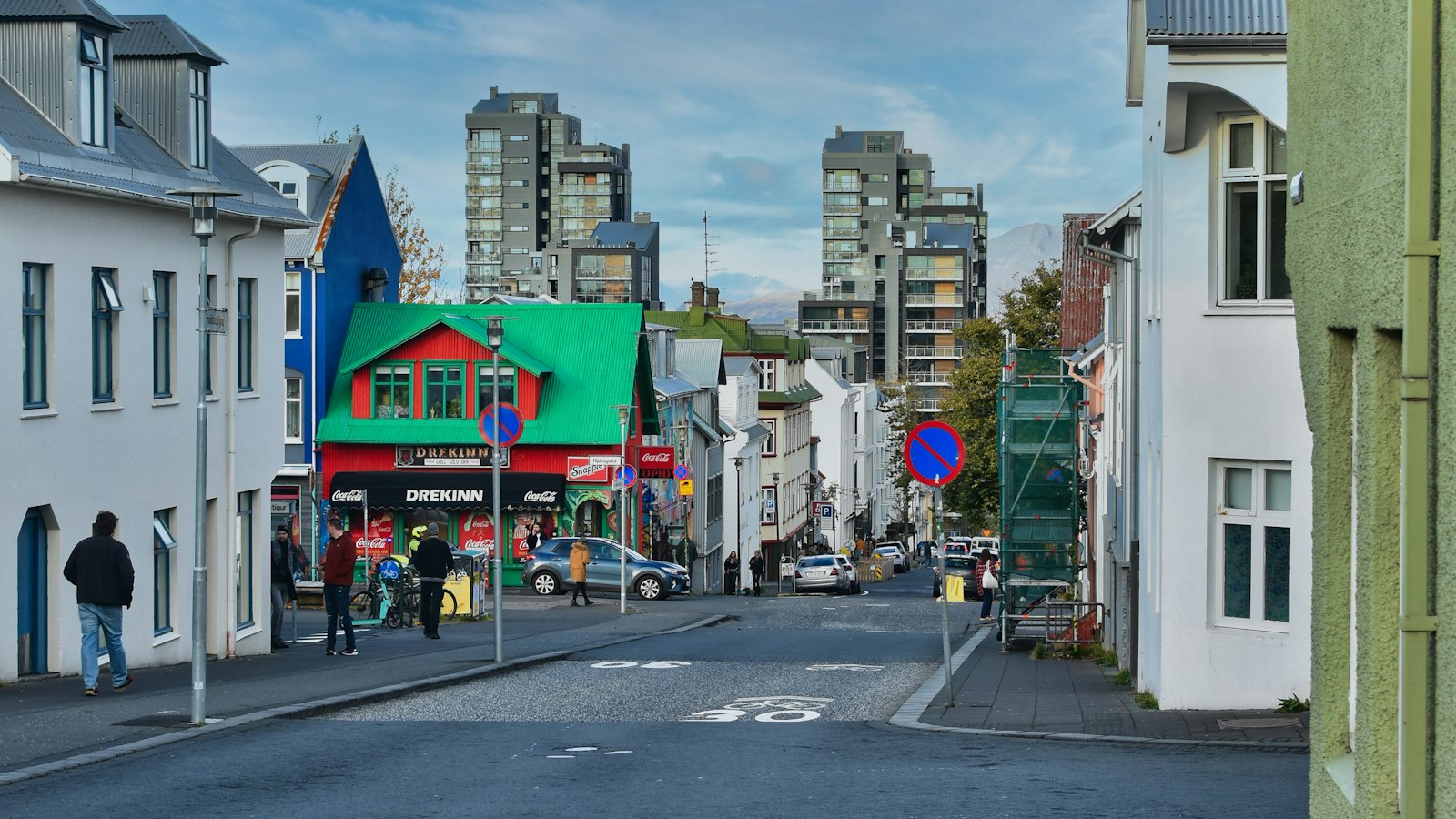
The heart of the novel is Halla, a thirteen-year-old from the well-off Vesturbær district of Reykjavík. The daughter of two fathers, Aðalsteinn and Tryggvi, Halla is initially at ease in a world where she thrives academically and enjoys popularity among classmates. Her past as a featured milk-carton poet signals to others, and to herself, a status as an overachiever, someone reliable, clever, and perhaps a little sheltered.
This comfortable world unravels after Halla is caught with cannabis, leading to her expulsion from her school and the breakdown of her closest friendships, especially with best friend Jenný. At the same time, the economic turmoil following Iceland’s 2008 financial crisis forces Halla’s family to leave their privileged neighbourhood. They move in with Halla’s aunt Salóme in a working-class area, upending the routines of home and school life.
Finding new voices and challenging old labels
At her new school, the once exemplary Halla is swiftly labelled a ‘vandræðaunglingur’, a teenage delinquent. Her maths teacher, Björgvinur, and a classmate, the formidable Bára Sif, reinforce this reputation. Living up to the stereotype, Halla shaves her head, experiments with defiance, and bonds with the Goth Anna Ninja and Alexander Filippus, who faces depression. She even flirts with the idea of refusing to take part in confirmation, an event with deep roots in Icelandic teenage life.
Despite these outward changes, Halla’s identity remains complex. Her academic strengths draw the attention of Emil, a popular student who encourages her to join the school team for Gettu betur, a well-known Icelandic TV quiz show. Halla wavers, afraid that success will undermine her new rebellious persona. But her journey forces her to confront the roles she once played and the harm she may have caused others, in particular, realising parallels with her former antagonist, Bára Sif.
Through her friendship with Anna Ninja, Halla is drawn into debates about politics and justice, covering issues such as internet piracy, gender quotas, religious freedoms, and scientific research. These discussions culminate in a plan for a controversial protest, which Halla helps transform into a collective, creative act: displaying a banner at the Icelandic parliament to bring attention to diverse social issues, from children’s healthcare to global conflict.
The novel closes in the aftermath of this act of protest, with Halla opting out of confirmation on theological grounds but attending her friends’ ceremonies. The banner earns media coverage and even debate in parliament, eventually finding a place in the National Gallery of Iceland, suggesting the real impact youth voices can have in public life.


