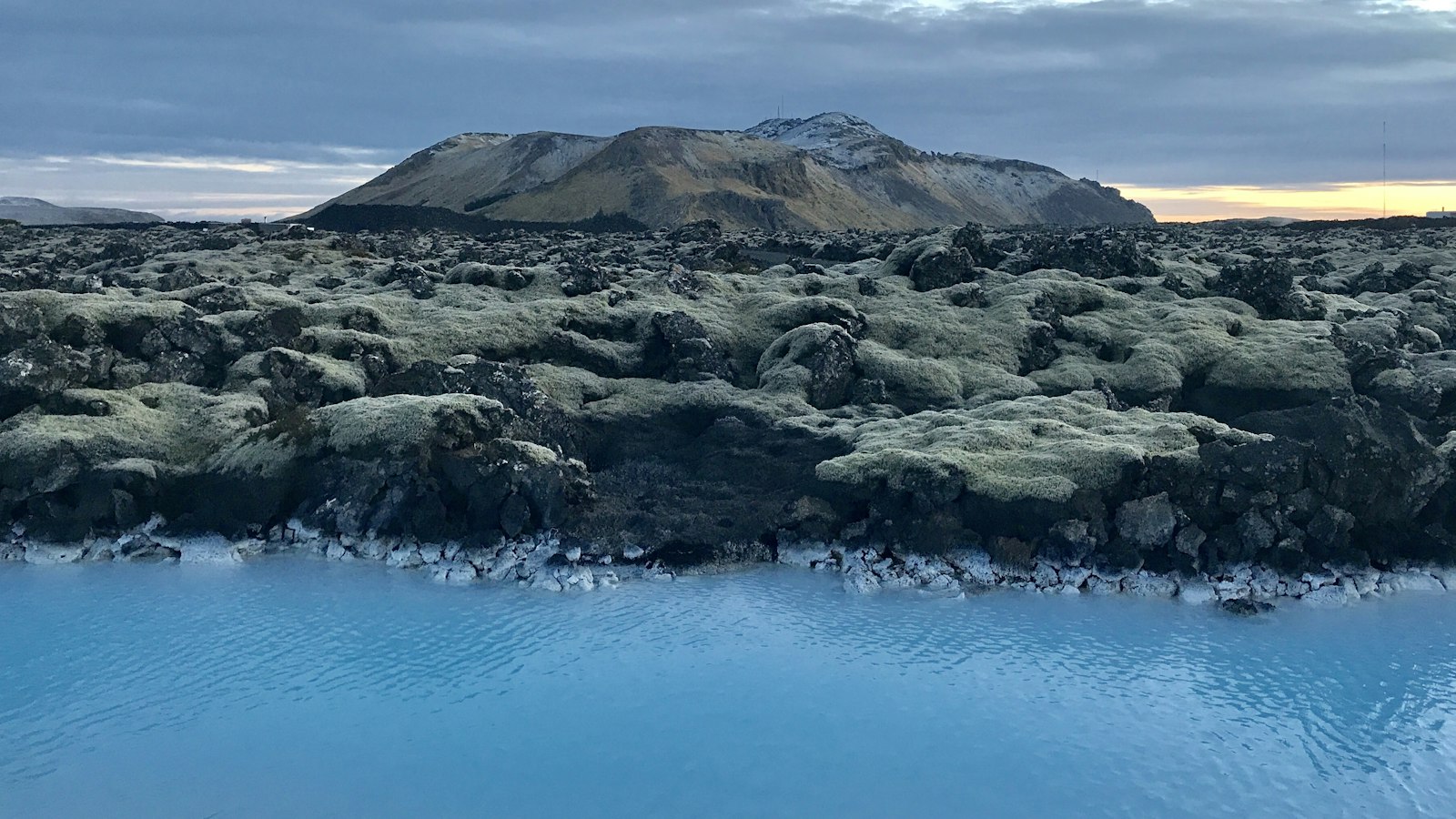
At the windswept tip of the Reykjanes Peninsula, Gunnuhver reveals a churning world beneath Iceland’s rocky surface. This geothermal area, set just inland from the Atlantic, sits within the Reykjanes UNESCO Global Geopark and offers one of the country’s most dramatic encounters with volcanic heat.
Steaming geology and the edge of the Atlantic
Gunnuhver stands out even in a landscape famous for geothermal phenomena. The site hosts boiling hot springs, vigorous fumaroles and bubbling mud pots, all shaped by hydrothermal fluids pushing up through altered volcanic rocks. Among its features is the nation’s largest mud pool, measuring some twenty metres across. Unlike most of Iceland’s geothermal systems, the water here is seawater-derived, not freshwater, adding a rare element to its underground chemistry.
Gunnuhver’s energetic features are part of the Reykjanes high temperature geothermal area, located at the boundary of the Eurasian and North American tectonic plates. This is the landward extension of the Mid-Atlantic Ridge, one of the world’s great geological rifts, and shifting plates help drive the persistent steam and boiling mud to the surface.
Legend and landscape
The name Gunnuhver carries a story deeply woven into local tradition. Descriptions of the area appear in 18th-century travel journals, including those of Eggert Ólafsson, who documented the peninsula’s active springs during his mid-1700s journey. Long before organised science arrived, folklore filled the gaps with tales of Guðrún Önundardóttir, known as Gunna. According to legend, after a fraught dispute with her landlord over unpaid rent and a confiscated cooking pot, Gunna’s restless spirit haunted the peninsula. The story tells that a local pastor, Eiríkur of Vogsósar, used a ball of yarn to lure her ghost into the boiling pool, where it vanished. Since then, the spring has been called Gunnuhver, or “Gunna’s hot spring.” Variations of the tale exist, all tying the restless energy of the place to the figure of Gunna.
Ruins near Gunnuhver also mark past settlement, like the remains of Anders C. Høyer’s habitation, hinting at the area’s longer human history amid the barren and steaming ground.
The fierce activity at Gunnuhver has often prompted changes in access. Walkways and platforms now channel visitors safely around volatile vents, but the area has been closed at times, most notably in September 2014, due to intensified mud-geyser eruptions that damaged paths. The volcanic restlessness of the Reykjanes Peninsula has returned in recent years, and authorities monitor the site closely, at times re-routing roads or restricting entry if new eruptions or seismic events threaten safety.
Sources
- Wikipedia
- Wikipedia (Icelandic) in Icelandic


