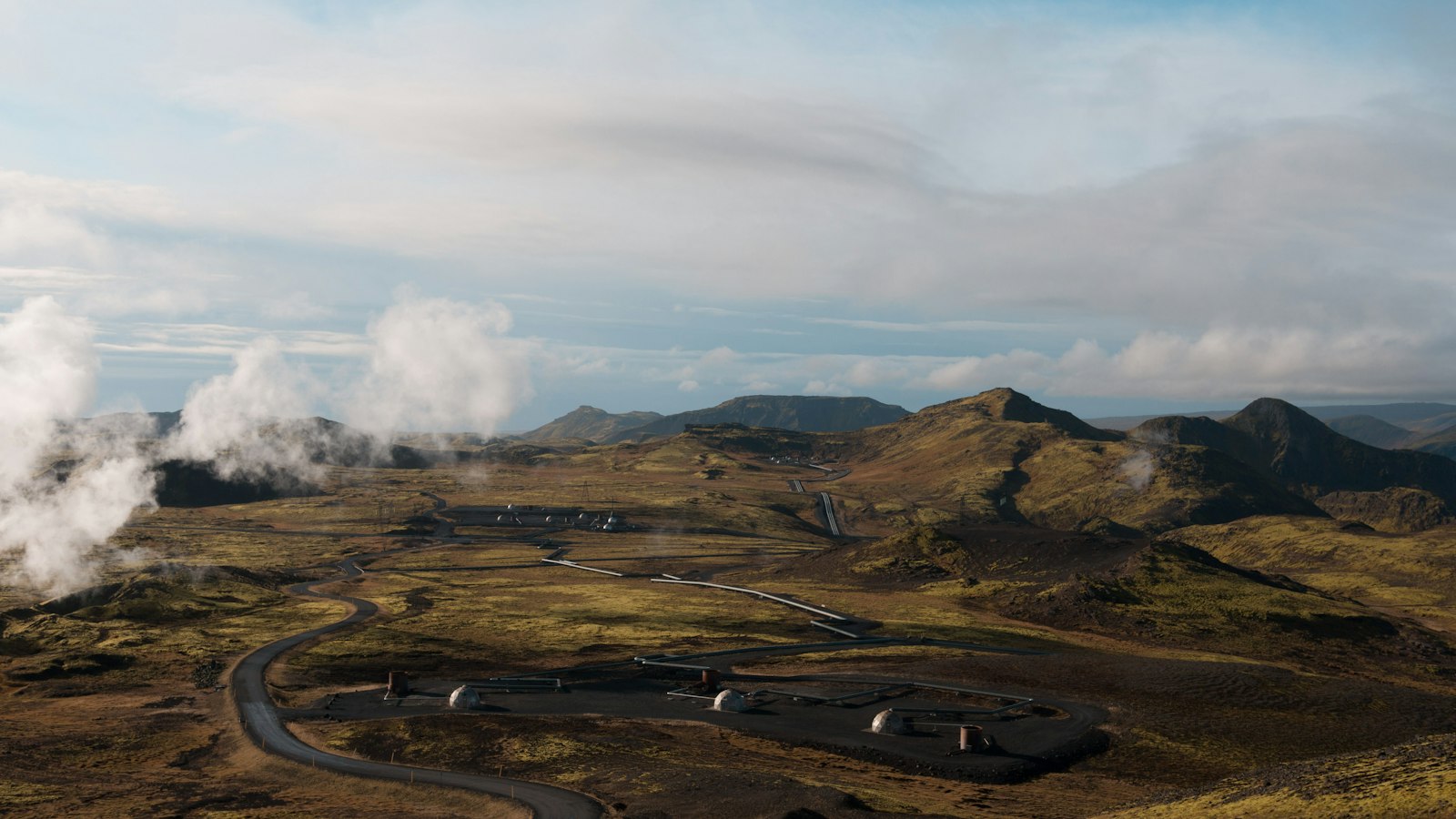
A few kilometres from the Ring Road, the Bjarnarflag Power Station operates in the shadow of Námafjall Mountain. It is a key site in the Mývatn area, around 100 kilometres away from the northern Icelandic town of Akureyri and roughly 400 kilometres from Reykjavík. Today, Bjarnarflag holds the distinction of being Iceland’s oldest still-functioning geothermal power plant of its type.
Beginning of geothermal engineering in Iceland
Discussions began in 1967 about harnessing the volcanic forces under the Bjarnarflag region. By the following year, local hydroelectric authorities had secured permissions to proceed. Construction moved rapidly and, by the summer of 1968, the physical plant had taken shape. On 5 March 1969, it officially began operations. With a single 3 MW steam turbine, the facility could generate 18 GWh of power annually. This relatively modest capacity represented a significant technological leap at the time.
Bjarnarflag’s implementation signalled a new era for Icelandic energy. Its success provided impetus for further geothermal developments around the country, especially in high-temperature areas. The achievements at Bjarnarflag directly influenced subsequent projects at Krafla, the largest facility in the North, and at Svartsengi and Nesjavellir. By 2001, these power stations contributed about a fifth of the country’s total energy capacity.
Adaptation and ongoing role
The location of Bjarnarflag in an active geothermal area has brought challenges. Between 1975 and 1984, the region experienced heightened tectonic activity. By 1980, the plant had to be dismantled due to potential threats from eruptions and extensive damage to its underground boreholes. Only after conditions were assessed as safe and a new borehole was created could it resume service, maintaining an output between 2.5 and 3 MW. In 2001, operations briefly halted again for widespread upgrades, which included improvements to generators and turbines.
More recently, plans emerged to expand the site with additional turbines and a much larger facility, intended to produce 90 MW. This proposal met resistance from some residents and environmental advocates, mainly due to concerns about visual impacts, increased infrastructure and water disposal issues. While design work for the new plant began in 2011, the timeline for expansion remains subject to local debates.
Aside from electricity generation, Bjarnarflag supports daily life in the Mývatn area. It provides hot water and heating for nearby settlements, most notably the village of Mývatn. The plant also supplies geothermal brine to the Mývatn nature baths, an important source of relaxation for visitors and a contributor to the local economy.


