In the unique landscape of Icelandic democracy, the Northwest constituency (Norðvestur) holds a special place. It was established as part of a comprehensive change to the organisation of Iceland’s parliamentary constituencies at the start of the 21st century. While new to its current form, the area it covers is among the most characterful parts of the country, and its boundaries are the result of ongoing debates about how to ensure all regions have a strong voice in the Althing, Iceland’s national parliament.
From old boundaries to a modern map
The constituency came into being in 2003, merging most of the former Northwestern, Western and Westfjords constituencies, leaving out the municipality of Siglufjörður (which was attached to the Northeast). The change was the result of a period of debate in the late 1990s, when a government-appointed committee recommended reducing the number of constituencies and making their population sizes more equal. Before these reforms, constituencies could differ significantly in population, leading to imbalances in influence.
The principle of fair representation was embedded in a 1999 constitutional amendment, mandating that if the number of voters per parliamentary seat in any constituency falls below half of that in another, the parliamentary seats must be redistributed. As a result, Northwest has seen its number of representatives shrink over time, with seats moving to more populous areas like the Southwest as needed.
A vast region, diverse communities
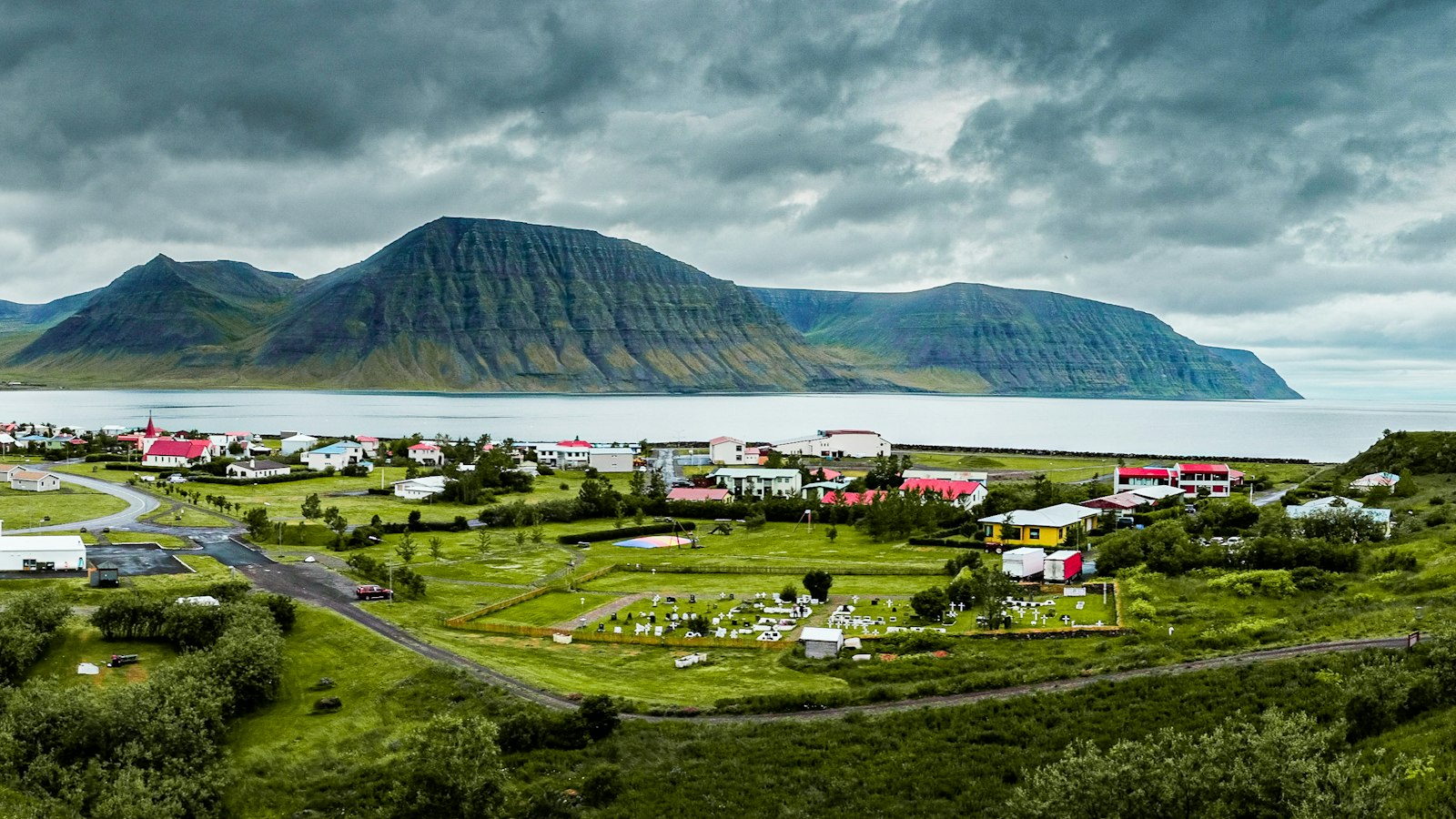
The Northwest is a vast and sparsely populated region. It covers the historical and geographical areas of Northwestern Iceland, Western Iceland and the famed Westfjords. Municipalities in the constituency include Akranes, Ísafjörður, Borgarbyggð, Skagafjörður and Snæfellsbær among many others, reflecting a mix of fishing towns, agricultural settlements and remote communities. In the 2024 parliamentary election, there were 22,351 registered voters across this large territory.
Iceland’s electoral system is based on open party-list proportional representation. Northwest delegates six of Althing’s total 63 seats, plus one compensatory seat (allocated to maintain proportionality nationwide). The D’Hondt method decides seat allocation both at the constituency and national level. Only parties that reach a 5 percent national threshold can compete for equalisation seats.
This system ensures that, despite shrinking populations in some rural regions, voices from areas like the Westfjords or Borgarfjörður still contribute to the country’s political life. As the smallest constituency by population, Northwest is subject to limitations, the constitution guarantees at least six local seats to every constituency, so even as numbers fall, the region maintains its minimum level of representation.
Over the years, the Northwest has sent a changing roster of MPs to Alþingi, reflecting Iceland’s spectrum of political parties. Each recent election saw votes cast for candidates from across the political landscape, with names like Haraldur Benediktsson, Lilja Rafney Magnúsdóttir and Stefán Vagn Stefánsson among those chosen to represent the region.
Sources
- Wikipedia
- Wikipedia (Icelandic) in Icelandic


