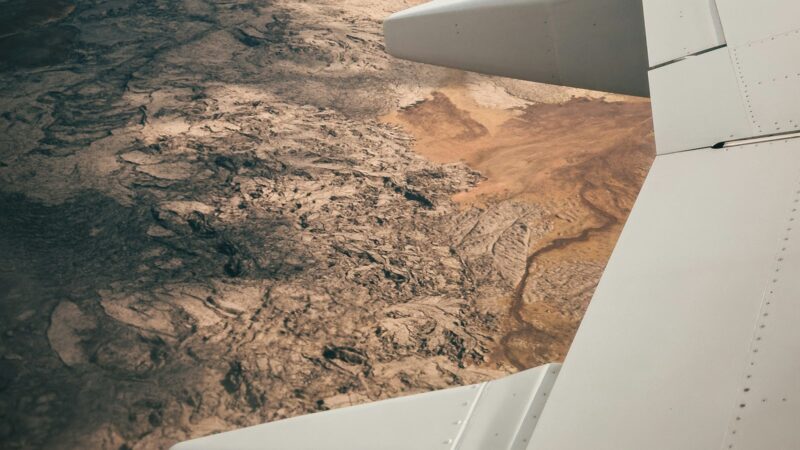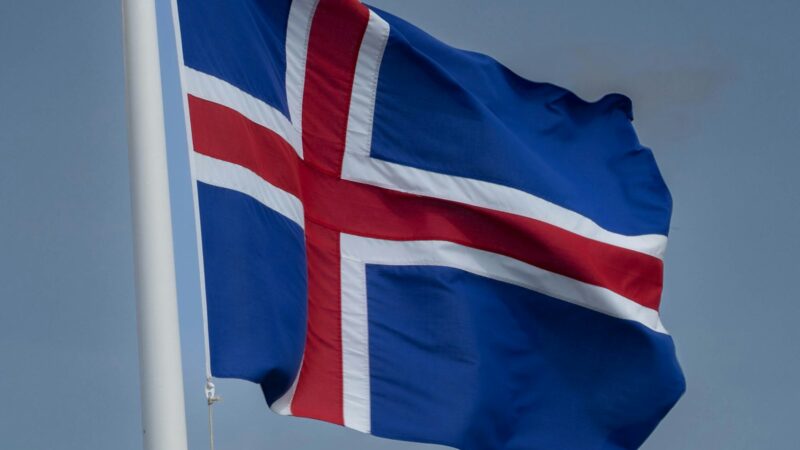
Modern transport in Iceland is defined by a striking blend of remoteness and ingenuity. The island’s national systems have evolved in response to its volcanic terrain, scattered population and location in the North Atlantic.
Roads: lifelines across a rugged land
Road travel dominates domestic transport in Iceland. The vast majority of passenger and freight journeys within the country take place on highways. There are 12,900 kilometres of public roads as of 2025, with 7,300 paved. Outside the southwestern region around Reykjavík, most roads are two-lane, and many leading to more remote or highland areas remain unpaved. The southwestern corner, where Reykjavík and its suburbs concentrate most of the country’s population, features some dual carriageways and almost all of Iceland’s major road infrastructure.
Iceland’s famous Ring Road, Route 1, circles the entire island and stretches 1,322 kilometres. As Europe’s longest ring road, it links most of the country’s towns and carries a significant share of goods, services and people. Most other major routes branch from this vital artery. Vegagerðin, the Icelandic Road Administration, maintains the network. High car ownership is notable, with 779 vehicles per 1,000 people in 2024.
Despite the reliance on cars, Iceland uses speed limits similar to those elsewhere: 90 kilometres per hour is the national maximum, dropping to 70 in tunnels and 50 in urban areas. Road signs mostly reflect international conventions.
Sea, air and the absence of rail
The Atlantic has always played a crucial role. Almost all settlements are coastal, a reflection of the sea’s historic importance for fishing and trade. All Icelandic ports are ice-free year round. In modern times, domestic shipping decreased as roads improved, but freight and passenger ferries remain vital for the islands off the coast.
The country’s busiest ports include Reykjavík (Sundahöfn), Akureyri, Grundartangi, Keflavík and Seyðisfjörður, the latter linking to Denmark and the Faroe Islands by international roll-on/roll-off ferry. Eimskip and Samskip, Iceland’s principal shipping firms, keep container routes open with Europe and North America.
Though railways have been proposed, such as a passenger link between Keflavík and Reykjavík, none currently exist, and the country’s brief flirtation with worksite railways has long since ended. Public intercity and local transport relies on buses, including urban networks in Reykjavík and Akureyri, and longer-distance coaches between towns. In the capital, a new bus rapid transit system called Borgarlína is planned for the coming decade.
Flying between towns
For a country its size, Iceland is exceptionally well connected by air. There are 83 airports nationwide (12 with regular service). Keflavík International Airport is the main hub for international arrivals and departures, while Reykjavík Airport serves as the domestic centre. Scheduled flights reach not only major population centres like Akureyri but also smaller, remote destinations. Air travel is commonplace thanks to the size of Iceland and the practical challenges of ground travel in harsher seasons.