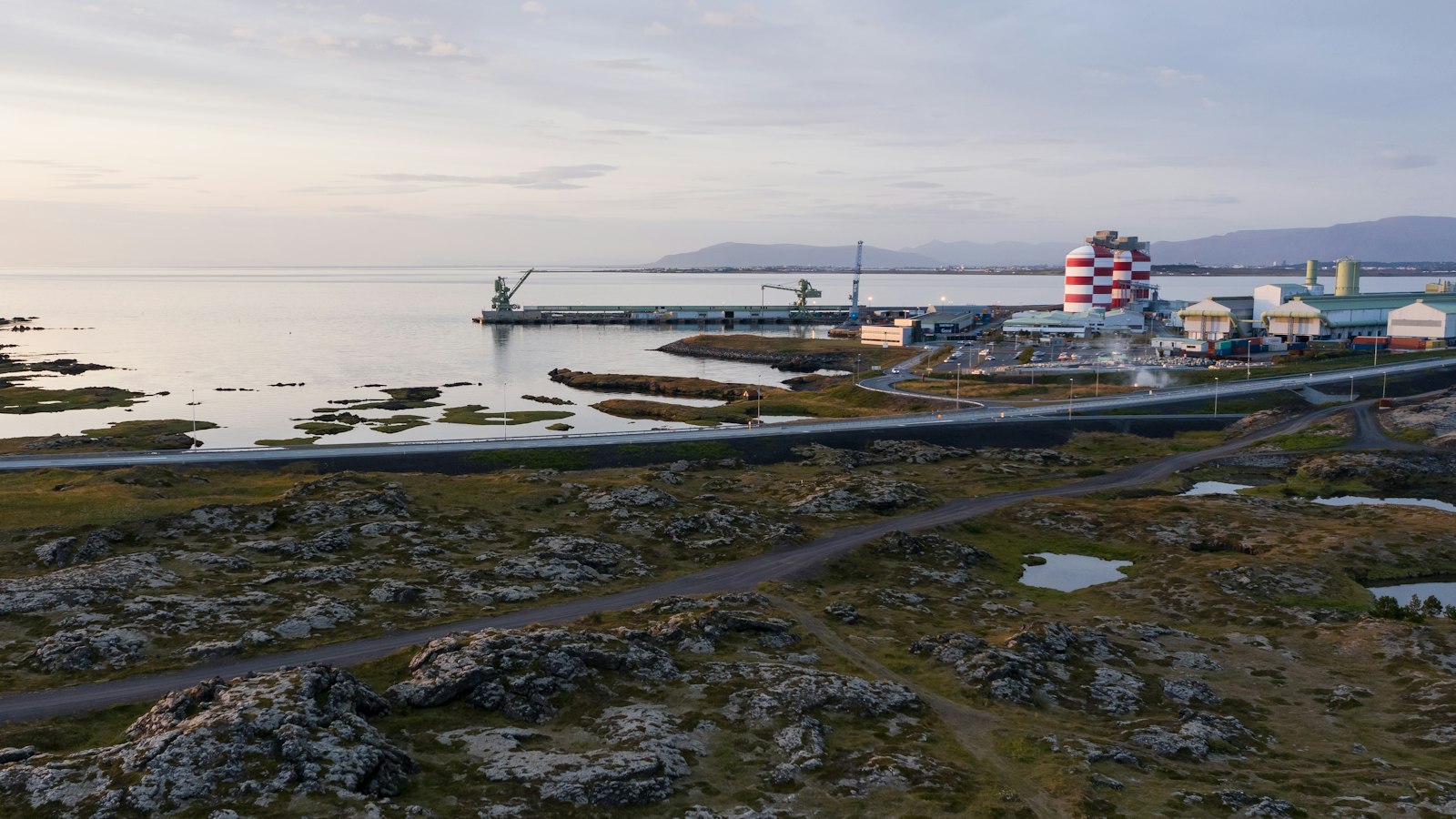
On the eastern shore of Skagafjörður in northern Iceland, the village of Hofsós stands as a reminder of the island’s mercantile past. With a population of around 200, Hofsós is among Iceland’s oldest trading posts, its roots reaching back to the 16th century. Despite ambitions and favourable conditions, including a natural harbour and proximity to fishing grounds, Hofsós never grew into a larger settlement in the 20th century. Merchant activity was once brisk, but its development slowed as larger towns nearby, such as Sauðárkrókur, became more dominant commercial centres from the late 19th century.
Traders, wool and the Danish monopoly
During the 17th and 18th centuries, Hofsós served as a busy outpost for the Danish Trade Monopoly, the organisation that controlled Icelandic commerce for centuries. Goods arrived and departed along the fjord, and merchants assessed and exported wool from the farms of Skagafjörður. Hofsós was one of several nearby trading points, joined by Grafarós just south of the village and Kolkuós farther along the shore, which collectively handled the trade of the eastern side of the fjord.
A number of historic buildings remain close to the water, especially on an area known as Plássið, which retains many restored wooden houses. The oldest is Pakkhúsið, a log warehouse completed in 1772, originally constructed for the trading monopoly. Today, Pakkhúsið houses the Drangey Exhibition, detailing the history and utilisation of the prominent island Drangey.
Emigration and enduring heritage
From 1870 onwards, Hofsós became linked to another major chapter in Icelandic history: the westward migration. The Icelandic Emigration Center (Vesturfarasetrið á Hofsósi) is dedicated to the tens of thousands who left for North America at the turn of the 20th century. The centre occupies one of the village’s most recognisable old timber buildings, which once housed a regional cooperative society, as well as an annex built in the same style.
Other elements of daily life endure in Hofsós, from its fishing industry to guesthouses and a pool overlooking the fjord, completed in 2010 as a gift from two local businesswomen. Walks along the shore reveal columns of basalt formed by prehistoric volcanic processes, especially around the Staðarbjargavík bay and the dramatic headland Þórðarhöfði, which is nearly an island. Inland near Lake Höfðavatn, Massacre hill farm (Mannskaðahóll) recalls a violent episode in 1431, when English marauders were killed.
Sources
- Wikipedia
- Wikipedia (Icelandic) in Icelandic


