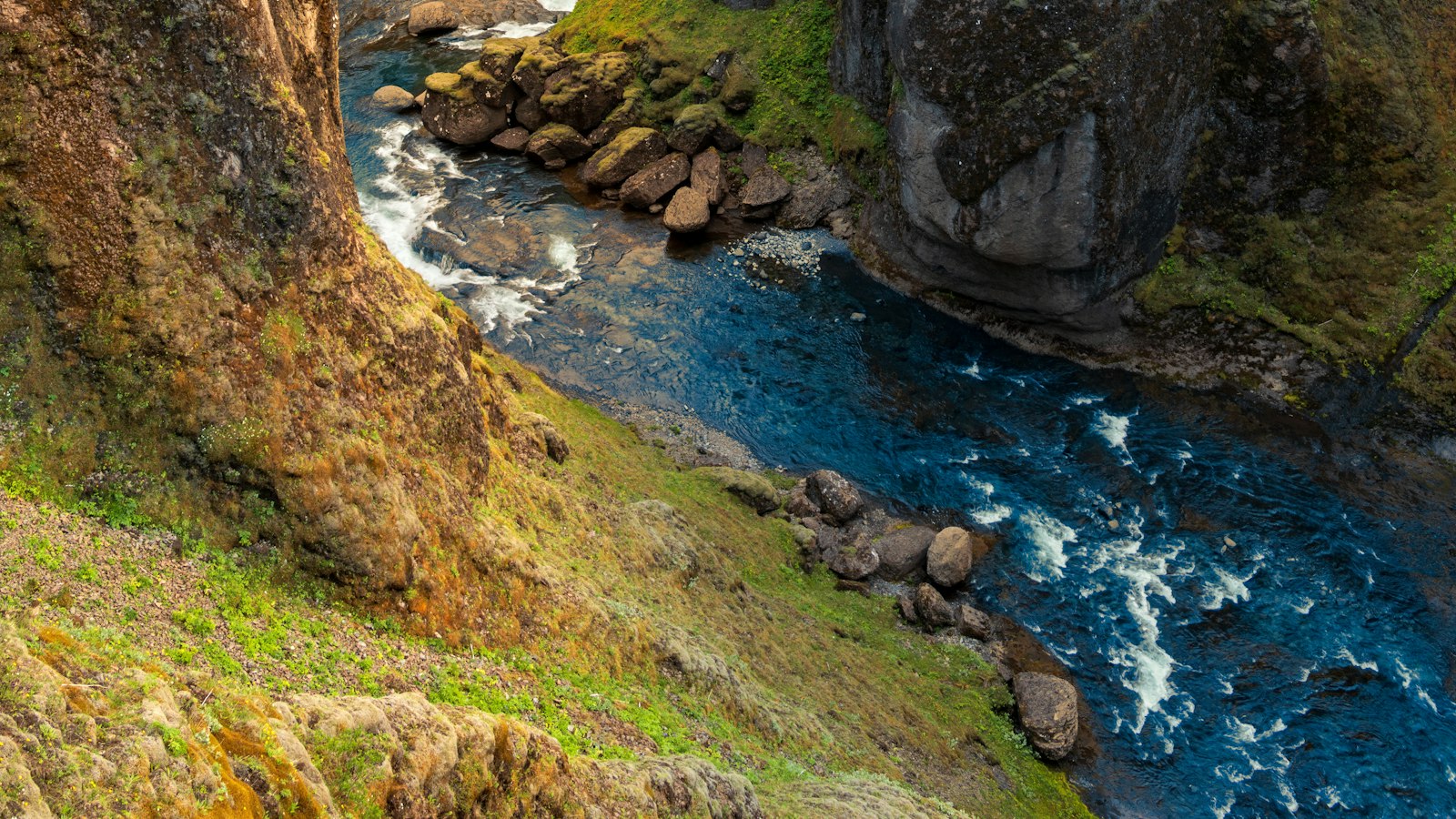
Across Iceland, tales of the huldufólk, literally the “hidden folk”, have been passed down for generations, shaping not just fireside stories but the way people see the land around them. Believed to inhabit rocks, hills and other natural formations, these mysterious beings remain a key part of Icelandic folklore, blurring the line between myth and daily life.
Nature’s shadows and hidden neighbours
Huldufólk are said to live parallel lives to humans, at home in natural settings shaped by volcanic eruptions, wind and rain. Their world sits just out of sight, but they can choose to reveal themselves. Some traditions describe these people as almost identical to humans, with the only outward difference being the shape of a small groove under the nose. Their legend has been fuelled by the unpredictable and dramatic Icelandic landscape. Folktales often connect the shapes and features of rocks and cliffs with the possible homes of these secretive neighbours.
People have long been cautious about disturbing places reputed to belong to the huldufólk, and children have been warned not to stray too far, lest they cross into their realm. In some stories, even throwing stones is discouraged for fear of disturbing those who might be living unseen nearby.
Myth, belief, and celebration
The origins of huldufólk stories stretch back into pre-Christian times, influenced by Norse and Celtic traditions, and have evolved alongside the changing beliefs of the Icelandic people. After the Christianisation of Iceland, new interpretations arose, including tales that linked the hidden people’s existence to biblical stories or figures condemned to live outside human society.
Over centuries, the idea of hidden folk and elves, “álfar” in Icelandic, has variously blended and diverged. In modern Iceland, there is no universal agreement on whether huldufólk and elves are truly separate beings. Some families see them as the same, while others distinguish between the two. A study in the early 2000s found the public divided on the issue, reflecting the ongoing role of folklore in modern identity.
Special times of year are closely associated with the hidden folk. On New Year’s Eve, people have traditionally left candles to light their path, believing huldufólk might move to new homes. At Christmas, households often leave out food for their unseen guests and prepare the home as if expecting visitors. Folktales speak of huldufólk entering homes to celebrate their own festivities, conducting spirited gatherings while the human residents are away or asleep.
Iceland’s natural volatility, earthquakes, volcanic eruptions, avalanches, has contributed to the enduring presence of huldufólk in stories and warnings. For many Icelanders, these tales represent a way to express respect for a land that is both generous and unpredictable, offering explanations for sudden changes or the challenges of daily life.


