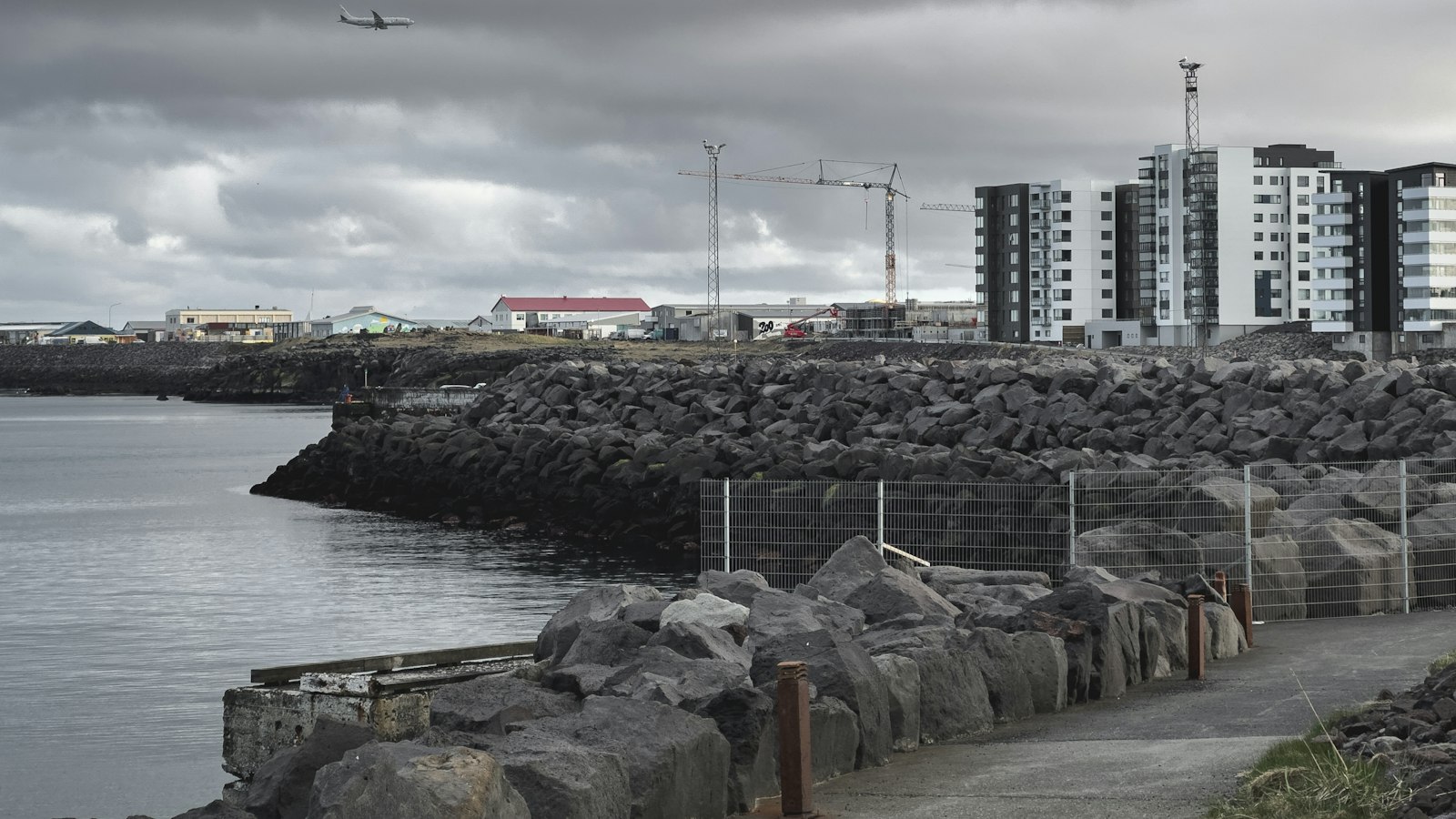
Early rock and roll, born in America, reached the shores of Iceland in the mid-1950s, far from its place of origin. Despite the island’s physical isolation in the North Atlantic, global influences made their way to Reykjavík and beyond, weaving rock music into the social fabric.
In May 1957, Iceland experienced its first wave of rock excitement when Tony Crombie & His Rockets toured the country. Yet even before internationally touring acts visited, Icelanders developed their own take on the new sound. Bands like City, Disco, and Lúdó emerged, marking the beginning of a unique music movement.
Isolation and radio waves
For decades, Iceland’s sole radio broadcaster was state-owned, limiting the airtime given to rock. Despite this restriction, Iceland was not cut off from developments abroad. Fishermen and airline crews returning from England, America, or Germany would bring back the latest records, introducing new music trends to their homeland.
Another critical influence came from the U.S. Navy base at Keflavík. The base operated its own station, AFRS 1484, which mostly played rock music. Although intended for American personnel, it became a secret favourite among young Icelanders in the Reykjavík area, nurturing a generation of local rock fans until at least the mid-1970s.
With the global “British Invasion” of the 1960s, Iceland responded with its own local heroes: Hljómar in Keflavík and Dátar in Reykjavík stood out as local analogues to the Beatles. More bands like Flowers and Bendix followed, setting the stage for a boom in homegrown talent.
Distinctive voices emerge
The late 1960s saw a shift as Icelandic groups began to perform more in English. Bands such as Trúbrot, Náttúra, and Pelikan gained attention. From 1973 to 1979, progressive rock and funk informed the Reykjavík music scene, as demonstrated by groups like Eik and Cabaret (which would later merge under the Eik name).
Punk then swept in from Reykjavík around 1981, echoing patterns seen elsewhere as punk overtook traditional rock much as rock had ousted jazz in earlier years. Key figures like Gunnar Þórðarson and Magnús Eiríksson helped carve out a distinctly Icelandic rock identity, merging global genres with local sensibilities.
By the 1980s and 1990s, Icelandic rock had produced international stars such as The Sugarcubes, which featured Björk, as well as bands like Quarashi, Mínus, and Sigur Rós. At the same time, artists like Sálin hans Jóns míns and the prolific Bubbi, known for singing mostly in Icelandic, remained central to the domestic scene.
Iceland’s contribution to heavier sounds includes metal bands like Skálmöld and Auðn, the latter recognised internationally in 2016 at the Wacken Open Air Metal Battle. Rock music has featured in the country’s Eurovision story as well, with singers such as Eiríkur Hauksson and bands like Dimma bringing Icelandic rock to a wider European audience.
The history of Icelandic rock demonstrates the island’s ability to absorb, adapt, and ultimately refashion global melodies into a voice all its own.


