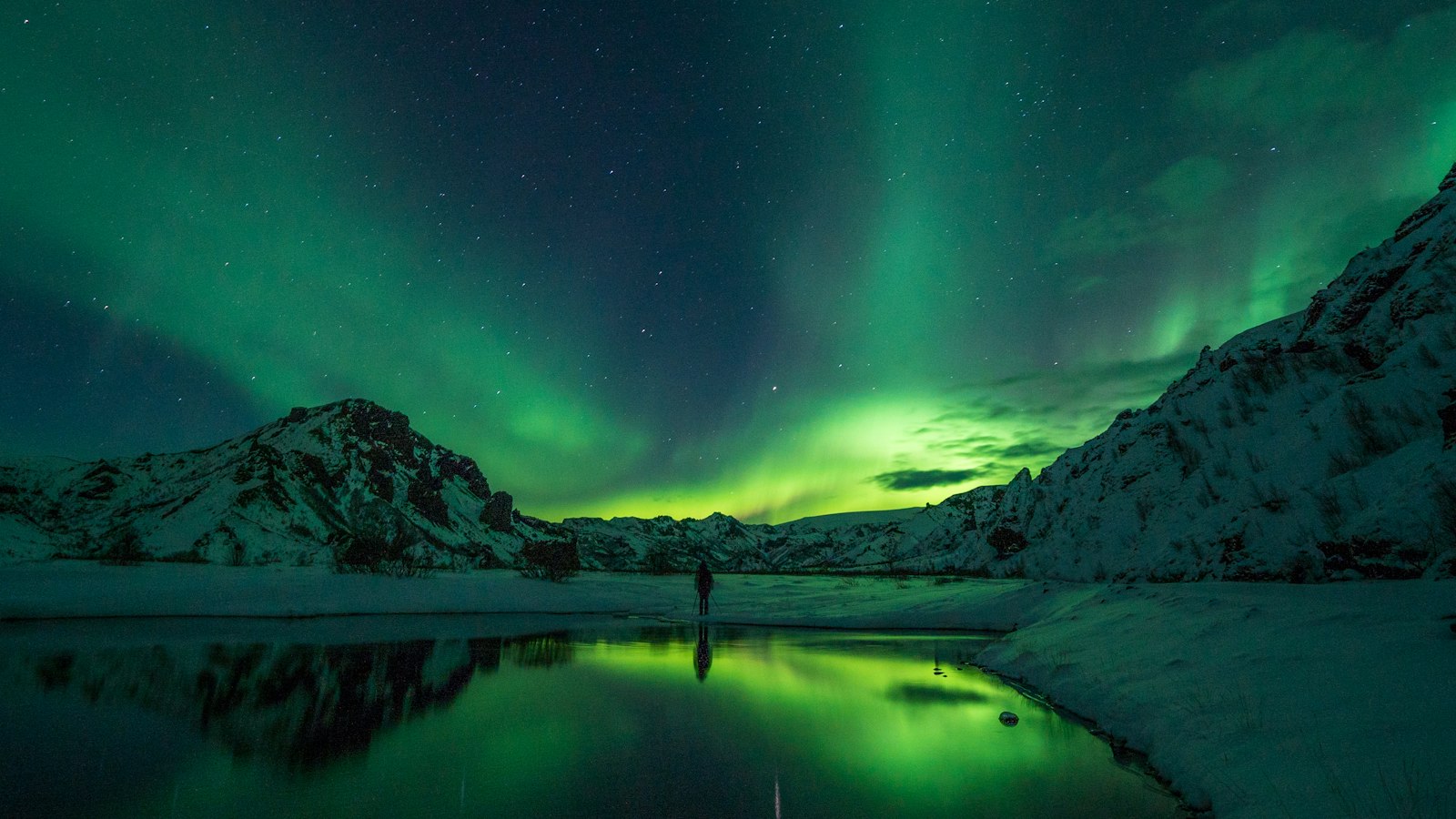
February in Iceland offers a chance to see the country’s natural and cultural life during the heart of winter. Temperatures often range between -1°C and 4°C and can occasionally drop as low as -5°C. Snow, sleet and rain are frequent, and winds can be strong, making warm layered clothing, including gloves and a hat, essential for anyone visiting during this period.
Navigating the winter weather and roads
Driving in Iceland during February can be challenging. Roads may be icy, and visibility can change quickly due to snow or high winds. It is important to rent a reliable vehicle, preferably a 4×4, and to focus on one region, such as South Iceland, to avoid long drives in hazardous conditions. Checking daily updates on road and weather conditions is necessary, and flexibility in travel plans is advised.
Winter celebrations and experiences
Several events bring light to Iceland’s dark winter days. The Food and Fun Festival in Reykjavík features special menus created by local and international chefs at participating restaurants, highlighting Icelandic ingredients.
Reykjavík’s Winter Lights Festival brightens public spaces and landmarks with light-art installations. During the festival, Museum Night and Pool Night offer extended hours and free admission at selected museums and pools.
February also includes unique Icelandic holidays linked to Lent. Bolludagur, known as Bun Day, is celebrated with cream-filled buns and a playful tradition in which children use a decorated wand to earn these treats from parents. Sprengidagur, or ‘Bursting Day’, falls on Shrove Tuesday, when the traditional meal of salted lamb and peas (saltkjöt og baunir) is enjoyed in homes and restaurants.
Popular sights and outdoor activities
Þingvellir National Park, a UNESCO World Heritage Site near Reykjavík, is renowned for its historical significance as the meeting site of Iceland’s first parliament in the 10th century. The park’s scenery is especially striking in winter.
Waterfalls remain accessible, with Hraunfossar in West Iceland emerging from below a lava field near Reykholt, and the south coast featuring well-known sites like Seljalandsfoss and Skógafoss. The Golden Circle also includes the waterfalls Gullfoss and Faxi.
Icelandic horses, known for their resilience, continue to roam and can be seen even in snowy weather. Horseback riding tours operate year-round and offer a perspective on how Icelanders and their animals have endured the northern climate.
Whale watching from Reykjavík is possible in February, and visitors may encounter white-beaked dolphins, harbour porpoises, and occasionally larger species such as Orcas and pilot whales in the waters of Faxaflói Bay.
Snorkelling is available year-round at Silfra in Þingvellir, where visitors can experience the clear glacial waters between two tectonic plates. Dry suits are used for protection against the cold, and visibility in Silfra often exceeds 100 meters.
Frequently asked questions
February is a suitable month to visit Iceland, especially for winter activities and the possibility of seeing the Northern Lights. The Blue Lagoon remains open, and advance bookings are recommended during this busy period. Puffins are not present in Iceland in February, as they return to land later in the spring and summer.