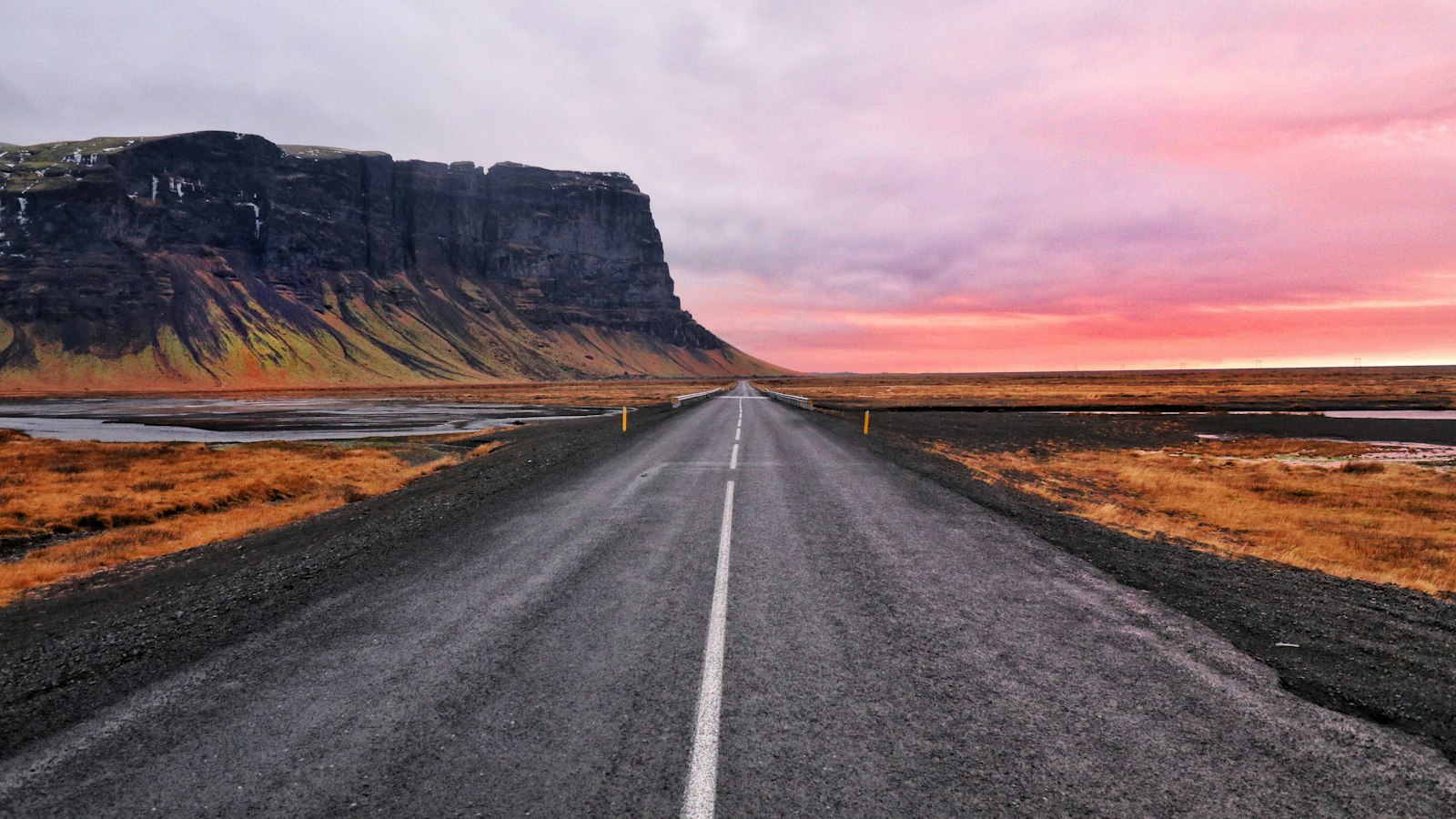
Choosing the ideal time to visit Iceland can be challenging. Each season presents its own atmosphere and set of activities, shaped by the country’s dramatic weather patterns and long daylight hours. Understanding what each season offers makes planning a trip to Iceland more straightforward.
Spring: changing weather and fewer crowds
From March to May, Iceland’s weather is unpredictable. Temperatures fluctuate, and snowstorms are still possible. However, days begin to lengthen and temperatures slowly rise, creating good opportunities for outdoor activities. Spring is noted for having fewer visitors and lower costs than other seasons. Northern Lights can sometimes be seen before the nights shorten too much. Hiking, horseback riding, and visiting popular sites such as the Blue Lagoon are common, with less congestion than in summer. Melting snow reveals the country’s waterfalls in full flow.
Summer: midnight sun and lively festivals
Summer (June through August) is the height of tourism in Iceland. The country experiences nearly round-the-clock daylight thanks to the midnight sun. This allows ample time for activities such as hiking, horseback riding, and whale watching. Numerous festivals take place in summer, including cultural highlights like the Reykjavik Arts Festival and Secret Solstice music festival. The increased visitor numbers mean higher prices and greater competition for accommodation.
Autumn: colourful landscapes and culinary events
In autumn (September to November), travellers find quieter attractions and reduced prices once again. Cooler temperatures bring vibrant fall colours to the countryside. The Northern Lights return as the nights lengthen. The Reykjavik Food and Fun Festival in October features chefs who create dishes using Icelandic ingredients. The season is also well-suited to hiking and enjoying the warmth of Iceland’s natural hot springs.
Winter: darkness, Northern Lights and snowy adventures
Winter (December to February) transforms Iceland into a landscape of snow and ice. Temperatures can fall as low as -20°C (−4°F). Long, dark nights create ideal conditions for seeing the Northern Lights. Outdoor activities continue with snow-covered hiking trails and opportunities for skiing or snowboarding. Warm thermal baths remain popular throughout the colder months, providing a contrast to the chilly air outside. The season is defined by its wintry atmosphere and the possibility of striking aurora displays.