Set within the vast Ísafjarðardjúp fjord of Iceland’s Westfjords, Vigur is a slender finger of land that carries both history and life. Measuring about 2 kilometres in length and only 400 metres across at its widest point, Vigur sits just south of the Arctic Circle, surrounded by cold North Atlantic waters.
A living landscape shaped by sea and birds
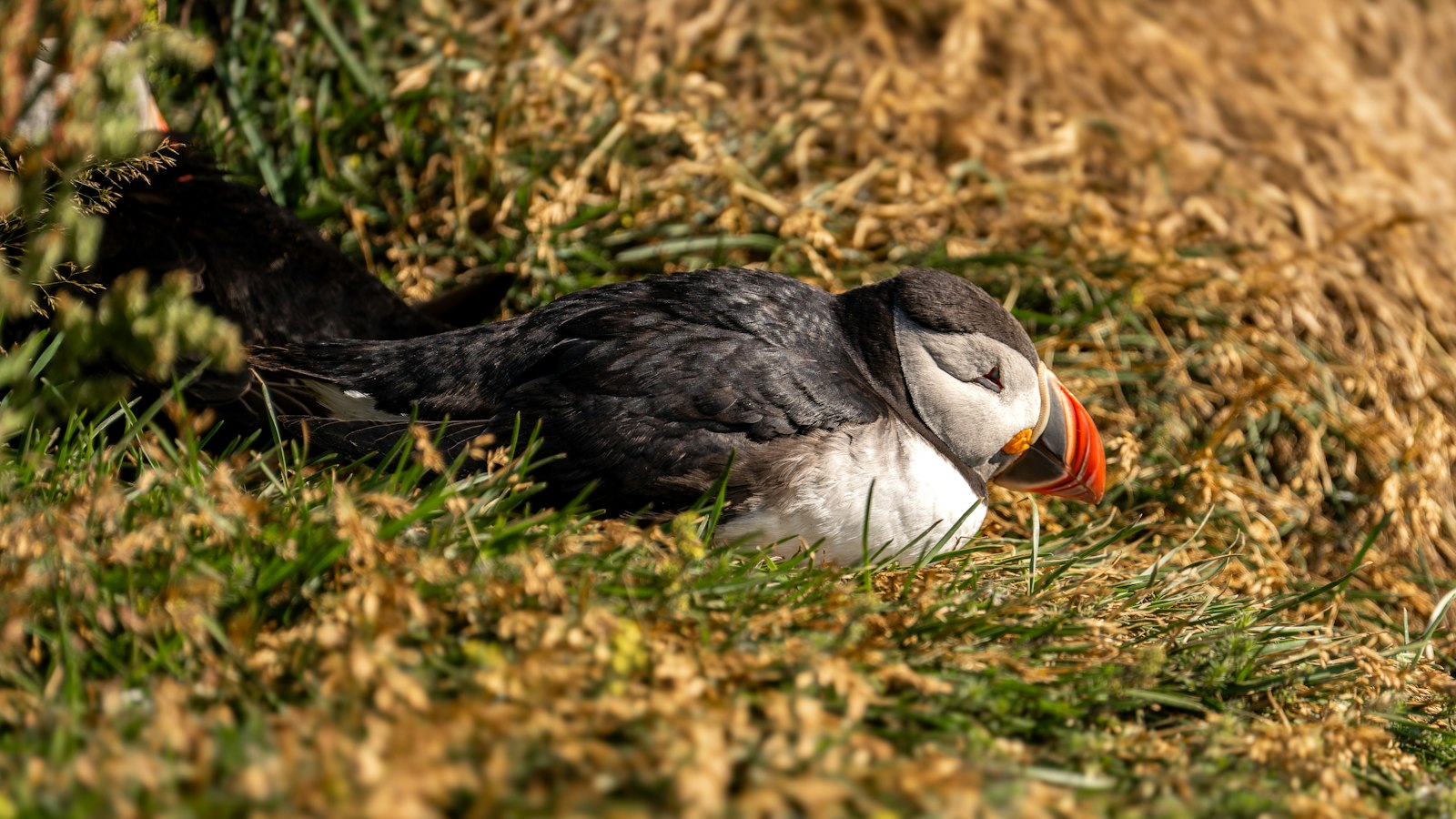
The first surviving written reference to Vigur comes from 1194, though this island may have appeared in earlier records under another name. Its name comes from the Icelandic word for “spear,” inspired by its long, narrow shape. Today, much of the island’s character is defined by its wildlife. Vast colonies of seabirds find sanctuary here: more than 3,500 pairs of common eider, thousands of Atlantic puffins, around 1,000 black guillemots and some 880 nesting pairs of Arctic terns.
For centuries, locals have harvested eiderdown, the soft feathers lining the eider nests after the ducklings have departed. This resource is gathered, dried and cleaned by hand, following methods developed over generations. The annual eider harvest remains an important seasonal activity for the island’s inhabitants.
Farmstead, manuscripts and heritage
Only one farmstead remains active on Vigur today, continuing a tradition of year-round habitation that once included dairy farming. In the 1600s the farm was home to Magnús Jónsson, who became known for his dedication to Icelandic literary culture: he amassed and commissioned manuscripts, contributing to the preservation of knowledge during a time of sparse resources.
This tradition of conserving heritage can still be seen in the island’s buildings. Viktoriuhús, built in 1860, stands as one of the oldest timber houses in Iceland and is now protected by the National Museum, Þjóðminjasafn Íslands. The island also preserves the Vigurbreiður, a sturdy eight-oared boat shaped around 1800 that served local transport needs until the turn of the 21st century. Its presence marks Vigur as home to the country’s oldest seaworthy boat.
Perhaps most unusual is the windmill, constructed around 1840, which is the only historic windmill still standing in all of Iceland. Some accounts suggest it could be the northernmost windmill in the world. While milk production is no longer pursued, the traditions of eiderdown collection and bird harvesting continue as tangible links to the past.
The descendants of Vigur have left their own mark on Icelandic genealogy through the Vigurætt, a well-known extended family with roots in the island’s past. Despite changes in farming and an increase in foreign visitors, Vigur remains a place where history, nature and culture are closely intertwined.
Sources
- Wikipedia
- Wikipedia (Icelandic) in Icelandic


