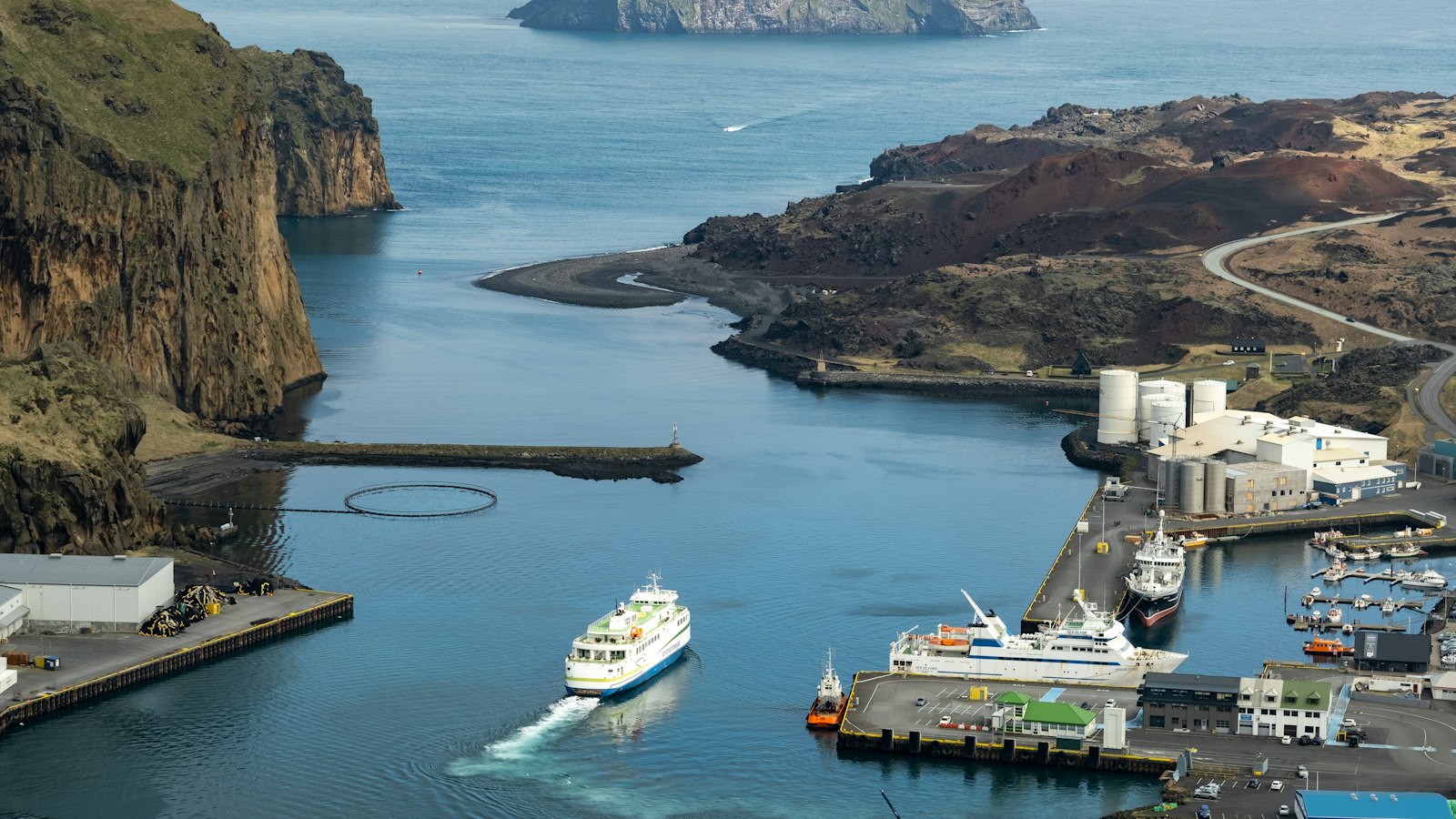
Every year, as the first Monday in August approaches, the volcanic island of Heimaey in south Iceland becomes the gathering place for thousands at Þjóðhátíð, the country’s largest multiday festival. For locals and many from across Iceland, this is a tradition deeply tied to memory, landscape and the endurance of community spirit.
Origins rooted in weather and resilience
The first Þjóðhátíð was held in 1874 when residents of the Vestmannaeyjar islands were unable to join festivities on the mainland marking the millennium of Icelandic settlement, due to poor weather and rough seas. Undeterred, they celebrated in their own valley, Herjólfsdalur, establishing what would become a cherished annual event. Its name, meaning ‘national festival’, recalls those original commemorations from 1874.
By the early 20th century, the festival was primarily an athletic event, with competitions in rowing, wrestling known in Icelandic as glíma, and other sports echoing traditions from national celebrations across the country. Before Þjóðhátíð took on this form, the valley had already hosted gatherings including fairs with visiting ships, local militia displays and employee celebrations funded by Pétur Bryde, a 19th-century merchant who improved the road into the valley in 1859.
A valley transformed: music, tents and tradition
Today, Herjólfsdalur becomes a vast outdoor habitat, with festival-goers camping in and around the natural amphitheatre formed by volcanic hills. The main stage, made permanent in 2011, stands before a pond, flanked by smaller stages and amenities. Evenings are marked by concerts, bonfires and a fireworks display, while on the east side of the valley, the ‘White tents’ are set up for locals to welcome guests and friends with food and conviviality.
Most visitors stay in tents, but hotels and homestays are in high demand, often rented out and filled to capacity. The Herjólfur ferry carries passengers from the mainland, with some arriving via flights or private boats. In 2010, Þjóðhátíð saw record crowds with up to 17,000 people gathering for Sunday night, and similar numbers returned after a brief hiatus during the COVID-19 pandemic.
The event is organised by the local sports association, ÍBV (Íþróttabandalag Vestmannaeyja), which manages logistics and programming for the four days of celebration.
Brekkusöngur: a festival highlight
Among Þjóðhátíð’s distinctive events is brekkusöngur, meaning ‘hill-song’, a Sunday night tradition where crowds join in mass singing from the slopes of the natural amphitheatre. The custom was introduced with this name in 1977 by local Árni Johnsen, then a member of the Alþingi (Icelandic parliament), and has since become the emotional high point of the festival. Several local figures have led the singing over the years, each bringing their own presence to the communal moment.
Despite interruptions during world wars and the pandemic, Þjóðhátíð has continued to return, holding fast to its roots in community, history and the enduring spirit of Vestmannaeyjar.
Sources
- Wikipedia
- Wikipedia (Icelandic) in Icelandic


