From 1683 to the early twentieth century, the role of Landfógeti (plural: landfógetar) shaped much of Iceland’s civil administration under Danish rule. Tasked as the king’s chief financial officer for the island, the Landfógeti operated at the intersection of economics, law and central authority, overseeing royal interests during a period of great political and social change.
Royal responsibility and urban policing
The Landfógeti position replaced that of the earlier höfuðsmaður, or governor. As treasurer of the “jarðarbókarsjóður,” the royal land register fund, the Landfógeti controlled extensive property and assets on behalf of the Danish crown. This included managing taxes and other payments due to the monarchy, as well as direct responsibility for the king’s fisheries in the Suðurnes peninsula, an area known for its rich marine resources.
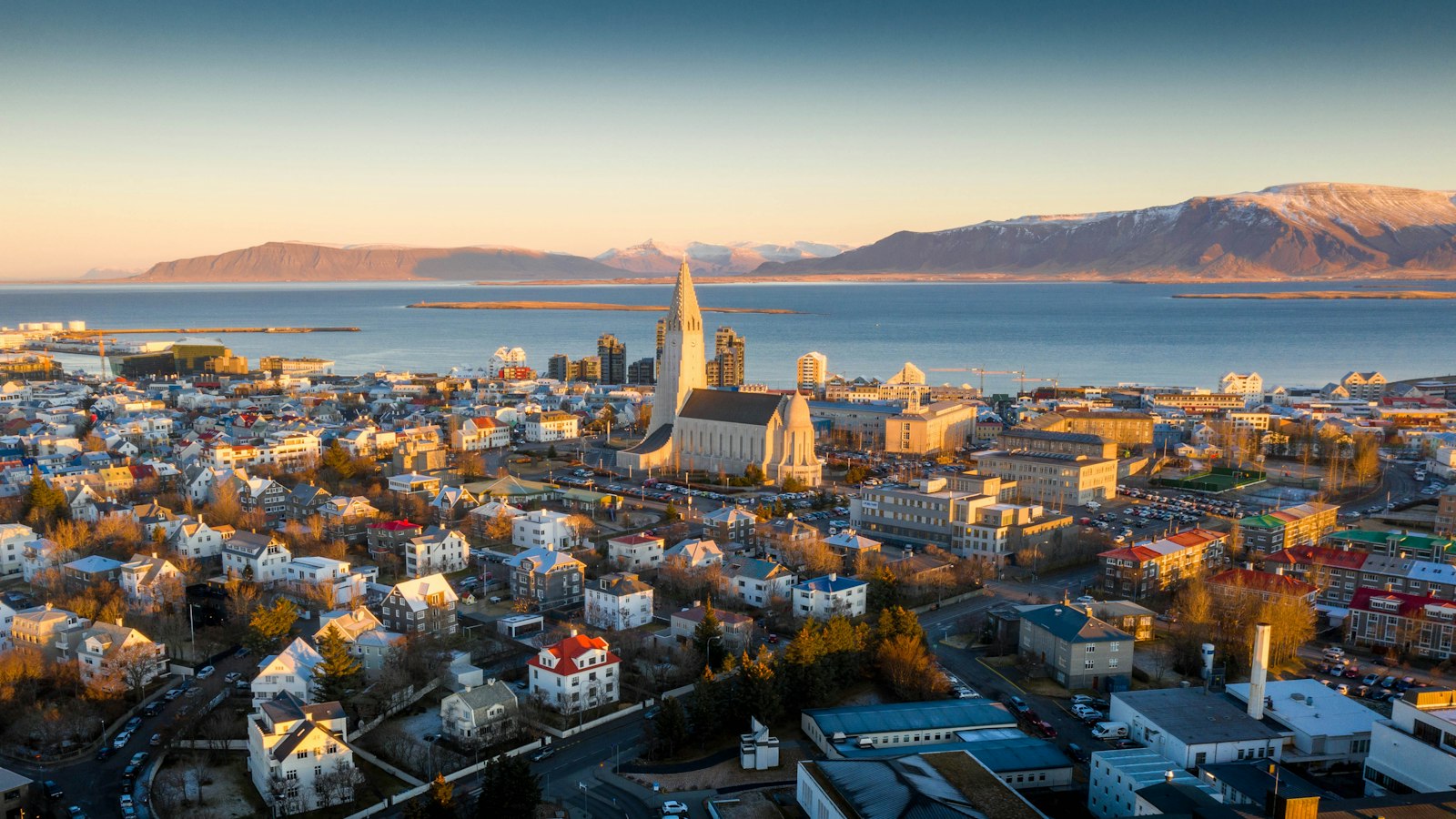
Within Gullbringusýsla (a historic administrative region covering much of southwest Iceland), the Landfógeti collected taxes and acted as police chief for the growing town of Reykjavík. Maintaining public order and overseeing compliance with trading laws fell to the same official, making the Landfógeti a key link between local society and the distant monarchy.
A chain of office spanning centuries
The first individual to hold the office was Kristofer Heidemann, whose tenure began in 1683. Over the next two hundred years, the role passed through a series of officials, some serving for only a few years, others for decades. Among the longest-serving was Skúli Magnússon (1749–1793), who left a notable mark on Icelandic administration. Names such as Kornelíus Wulf, Kristján Luxdorf and Árni Thorsteinson illustrate the blend of Danish and Icelandic backgrounds common among appointees.
The authority of the Landfógeti was not only fiscal but also social, reflecting the reach of the state into daily life. Enforcing trade legislation was as much a part of the job as accounting for royal assets. The Landfógeti’s presence in Reykjavík foreshadowed the city’s rise as a centre of governance and modern policing.
Although the title has fallen out of use in Iceland, its legacy survives in the Faroe Islands, where “Føroya Landfúti” still refers to the head of police. This continuity highlights the enduring threads of administrative tradition carried over from the era of Danish rule across the North Atlantic.
The story of the Landfógeti encapsulates the balance between local custom and royal oversight, offering a window onto centuries of Icelandic and Nordic governance.
Sources
- Wikipedia
- Wikipedia (Icelandic) in Icelandic


