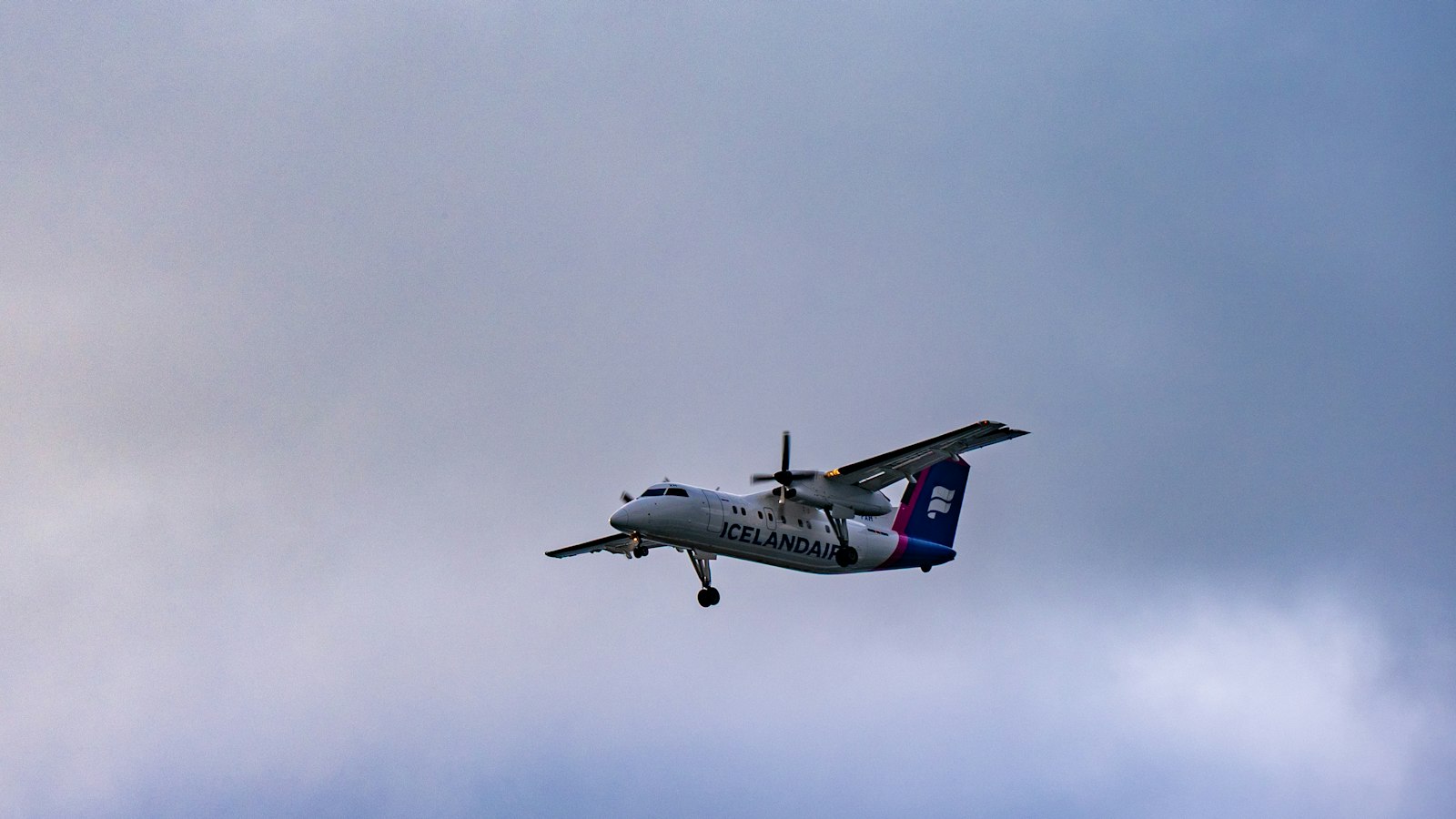
Reykjavík Airport (Reykjavíkurflugvöllur) stands less than two kilometres from the centre of Iceland’s capital, making it one of Europe’s most centrally located airports. For over eighty years, its runways have witnessed the transformation of Icelandic aviation, tracing a path from the country’s first tentative flights to the present day’s heated discussions about urban development and air travel.
Early landings and wartime construction
The area known as Vatnsmýri, once a marsh on the edge of a much smaller Reykjavík, saw its first aircraft on 3 September 1919: an Avro 504, the first plane in Iceland. The 1930s brought seaplanes from Akureyri, with flights landing on nearby waters. Plans for a proper airfield in Vatnsmýri existed but were delayed until the Second World War.
With Iceland occupied by the British Army from 1940, the need for an airfield grew urgent. British soldiers and Icelandic workers began construction in October that year, building the first runway on oil barrels sunken into the marshy ground. Part of the Skerjafjörður neighbourhood was cleared to make way. The site, known as RAF Reykjavík, became operational in March 1941, serving military needs and restricted civilian flights.
From gateway to the world to local lifeline
When the British handed Reykjavík Airport back to Icelandic authorities in July 1946, the site swiftly became the hub for domestic and international flights. Airlines such as Flugfélag Íslands (which became Icelandair) and Loftleiðir operated from the airport and, through the 1950s and early 1960s, Reykjavík was the country’s principal link to Europe, and beyond.
However, the advent of larger jet aircraft in the 1960s shifted international flights to Keflavík Airport, 50 kilometres from the city. By 1970, Reykjavík Airport focused mainly on domestic traffic and flights to places like Greenland and the Faroe Islands. The original British-built hangars and control tower, alongside Icelandair’s terminal, remain part of the airport’s fabric, used continuously to the present.
Efforts to modernise the runways began in 2000 after years of minimal maintenance. At the same time, Reykjavík debated whether its central airport should be moved further from the city’s core to free up land and reduce noise. A 2001 referendum narrowly showed support for moving the airport after 2016, yet participation was low and the result was non-binding. For now, the airport remains, serving as the country’s main domestic aviation hub, emergency landing site, and workplace for many.
International flights from Reykjavík dwindled in the 2010s as jet operations moved fully to Keflavík, with the last regular Greenland and Faroe Islands flights departing by 2018. The airport’s runways today mainly see the turboprop aircraft of Icelandair and medivac and charter services.
Sources
- Wikipedia
- Wikipedia (Icelandic) in Icelandic


