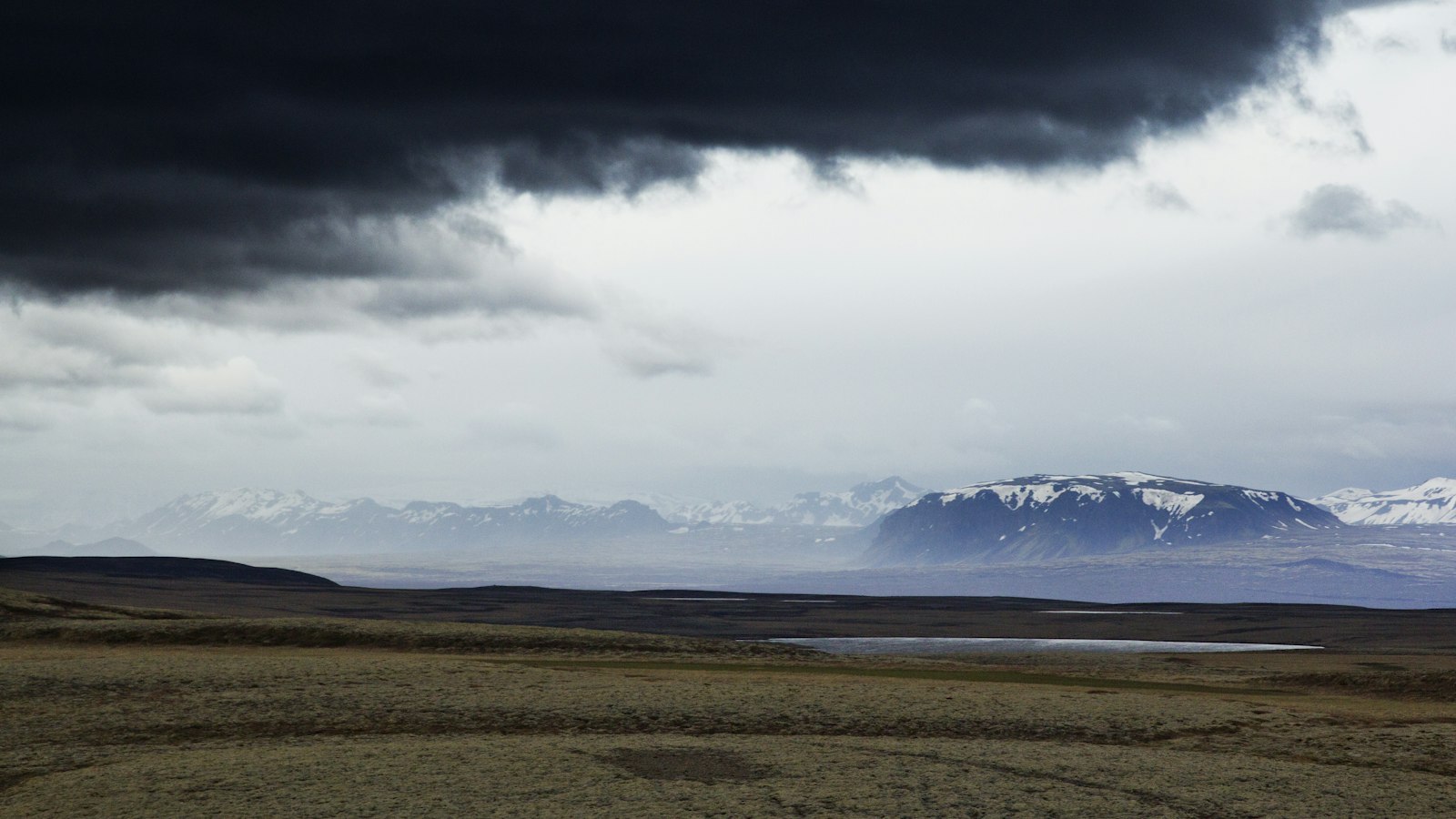
March is a transitional period in Iceland as the country moves from winter towards spring. Although temperatures start to rise, the weather remains cold and can be unpredictable. Average low temperatures in March are around -2.2 degrees Celsius (28°F) and highs reach about 3.3 degrees Celsius (38°F), resulting in a relatively small temperature range. Visitors should be prepared for wintry conditions and equip themselves with warm, layered clothing.
Days grow considerably longer during March, with daylight hours ranging from about 10 to 13 each day. This mix of brightness and night creates ideal conditions for daytime exploration and opportunities to see Iceland’s night skies.
Snow is still a significant feature in March, especially in Reykjavík, where the month typically brings about 23 centimetres (9 inches) of snowfall. Heavy overnight frosts are common, so icy conditions should be expected. Rainfall is also high: Reykjavík averages 82 millimetres (3.2 inches) of precipitation in March, some of which falls as rain and some as snow. While the weather is colder than spring in other countries, March tends to be milder than January or February.
Because March falls within Iceland’s off-season for tourism, many attractions are less crowded and some accommodations may be more affordable. Outdoor activities like hiking and viewing the Northern Lights are still possible, thanks to the balance of snow cover and increasing light. However, the changeable weather means waterproof outerwear and warm, insulated clothing are essential. Insulated boots, thick socks, hats, scarves, and thermal layers are recommended, as well as waterproof jackets and over-trousers.