Among the seaweeds found in the frozen margins of the North Atlantic and Pacific, Laminaria nigripes stands out as a species shaped by both its environment and human uncertainty. Found in cold waters that touch Greenland, Iceland, Norway, and beyond, this kelp links the biodiversity of Arctic and subarctic regions with ongoing scientific debates about its identity and its future.
An uncertain identity in the world of kelp
Marine biologists have long puzzled over the classification of Laminaria nigripes. Initially catalogued in 1868 by Jacob Georg Agardh, the species has since cycled through several names. Some researchers believe it should switch genus entirely, carrying the name Saccharina nigripes or even Hedophyllum nigripes, depending on how new genetic findings are interpreted. This confusion grows from its close resemblance to other kelps, such as Laminaria digitata and Laminaria hyperborea, leading to frequent misidentifications.
The kelp’s physical form adds another layer to the mystery. It can take on two main shapes: a blade that splits into long fingerlike segments or a simpler, undivided blade. These seemingly different forms actually belong to the same species, showing Laminaria nigripes’ notable plasticity. However, the overlapping traits with related species mean that its true range remains the subject of scientific debate.
Life on the edge: Arctic environments and challenges
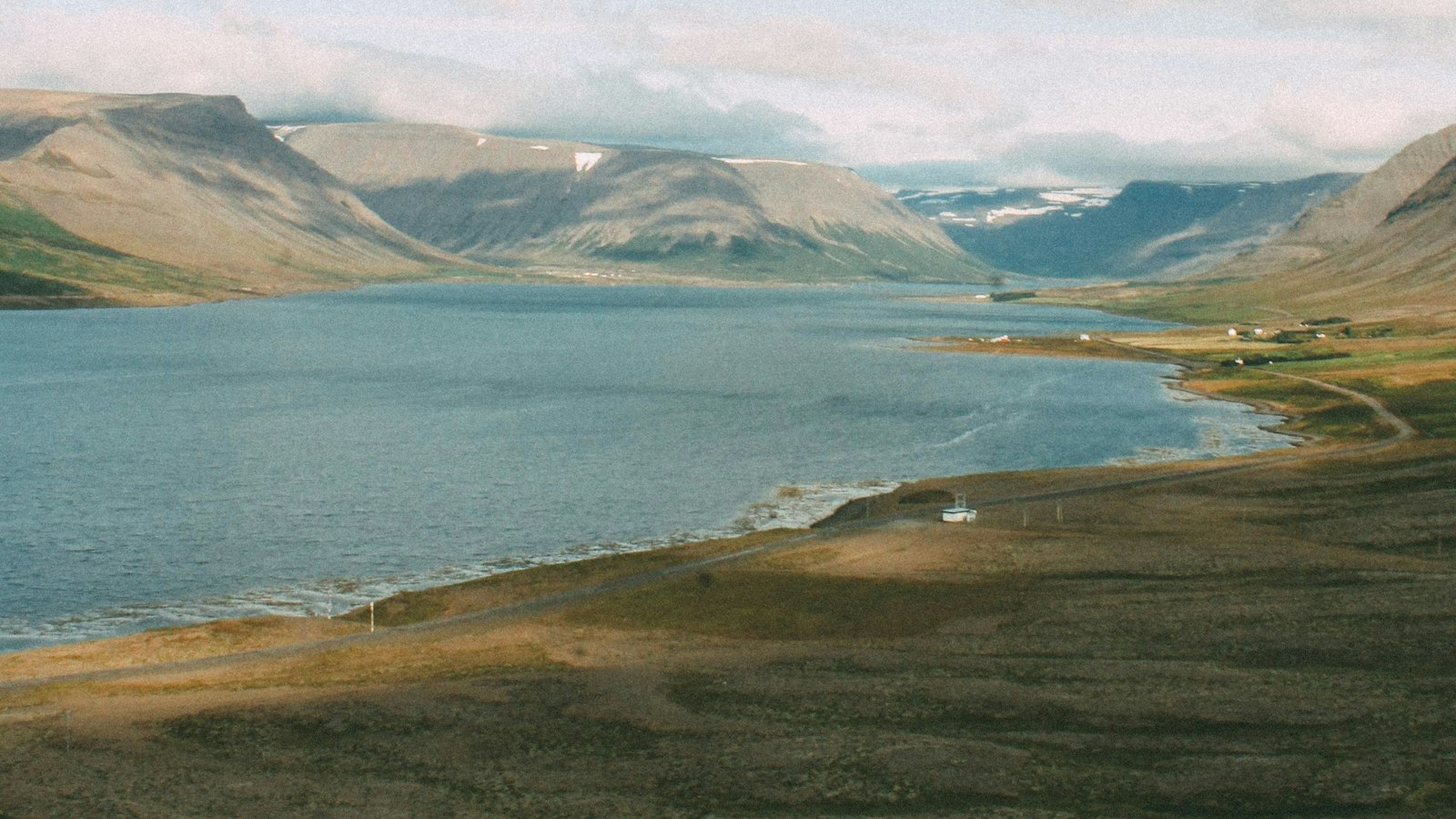
Laminaria nigripes grows in some of the world’s harshest coastal zones, clinging to rocks battered by waves and sculpted by sea ice. It thrives where seasonal ice cover cuts off much of the sun’s rays, leaving only a short period each year for active growth. Abrasion from moving sea ice and low water temperatures add to the stresses Laminaria nigripes must endure. These extreme settings, common around Iceland and the Arctic, select for hardy organisms able to exploit brief summer light.
The kelp’s ecological significance is still being uncovered. In places like the Bay of Fundy, there are hints that Laminaria nigripes might play a key role, but ongoing confusion with similar species has kept its influence somewhat in the shadows. What is clear is that its global distribution has a complex history, shaped by ancient glacial movements and shifting seaways that connected or separated ocean basins through time.
The uncertainties facing Laminaria nigripes do not stop with taxonomy or ecology. The species is at risk from climate change, particularly as increasing ocean temperatures threaten to shrink suitable habitats. In some sites, declines in Laminaria nigripes populations corresponded with warming waters, and the kelp showed little sign of recovery even after temperatures dipped again. This makes it an early indicator of broader changes underway in Arctic and subarctic marine environments.


