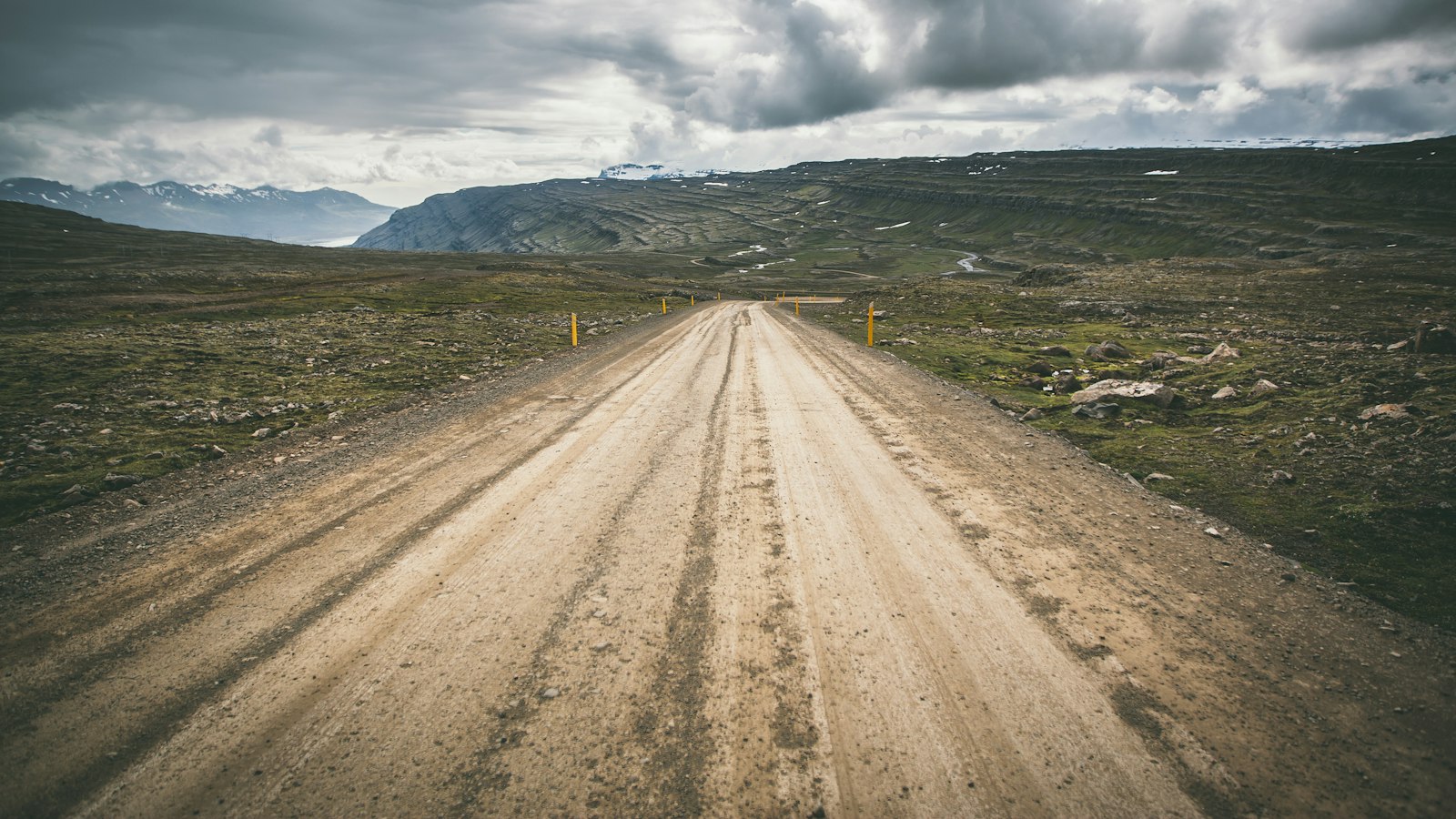
Deep in eastern Iceland, an immense structure lies mostly out of sight, below rugged mountains and sweeping plateaux. The Kárahnjúkar Hydropower Plant, officially Fljótsdalur Power Station, started operating in 2007, marking the most ambitious engineering project the country has undertaken. Built to supply electricity for Alcoa’s Fjarðaál aluminium smelter in Reyðarfjörður, about 75 kilometres east, the plant draws on some of Iceland’s wildest glacial rivers, reshaping land and lives on a grand scale.
Harnessing glacial forces
The scheme centres on capturing the energy of waters flowing from Vatnajökull, the largest glacier in Europe. Five large dams block and redirect the courses of the Jökulsá á Dal and Jökulsá í Fljótsdal rivers, both fed by glaciers. Three of these dams sit on the Jökulsá á Dal: the towering Kárahnjúkar Dam stands out as the highest of its type in Europe at 193 metres, holding back the 25-kilometre-long Hálslón reservoir. Nearby, the Desjará and Sauðárdalur dams help maintain the reservoir’s vast pool, which swallows up nearly 2 cubic kilometres of water at capacity.
On the Jökulsá í Fljótsdal, the Kelduá and Ufsarstífla dams create the Kelduárlón and Ufsarlón reservoirs. Water from these sources travels underground through a network of tunnels stretching over 70 kilometres: this water is channelled through a shared conduit, eventually plunging 420 metres down to drive the power station’s turbines, buried within Valþjófsstaðafjall beneath the highland surface. When the turbines have done their work, this water rejoins the river system, continuing northward towards the sea.
Controversy and consequence
The scale of the project transformed both landscapes and public debate. With a generating capacity of 690 megawatts and an average output of 4,600 gigawatt-hours each year, Fljótsdalur became central to Iceland’s electricity supply for industry. Yet to achieve this, over 440,000 acres of highland wilderness were submerged, making way for artificial lakes and infrastructure.
Kárahnjúkar’s impact has been hotly contested. The river valleys harnessed for the project cut through what was once the second largest untouched wilderness in Europe. Critics argue that these lands, cherished for their isolation and natural beauty, have been irreversibly altered. The environmental assessment noted that effects of the build extended over 3,000 square kilometres, approximately 3 percent of the country’s total land area.
In addition to environmental issues, the project drew attention for employing a largely foreign workforce. While some saw the new industry as a step toward economic growth and diversification, others viewed it as a symbol of sacrifice, giving over Icelandic land and energy for the benefit of multinational companies. The conversation about Kárahnjúkar found its way into Icelandic music, literature and film, reflecting a wide spectrum of national feeling about the true cost of progress.
Sources
- Wikipedia
- Wikipedia (Icelandic) in Icelandic


