January is a distinctive month in Iceland, marked by lingering holiday celebrations, snowy vistas and a chance to experience the country’s unique winter traditions with fewer crowds. As daylight hours slowly increase and the festive season draws to a close, visitors find an authentic and atmospheric time to explore.
Weather, daylight and winter conditions
Icelandic weather in January is often described as intense, with strong winds making temperatures feel colder than they appear. In Reykjavík, typical temperatures range from -5°C to 5°C (23°F to 41°F), and precipitation may include snow, rain or sleet. The north and highlands usually have solid snowfall, while other regions see more rain. Daylight is limited: Reykjavík receives approximately four to six hours of daylight early in the month, reaching nearly seven hours by its close. In some areas, mountains can keep the sun hidden almost entirely. Proper winter gear is essential for outdoor activities.
Festivals and seasonal events
January features major cultural festivals. Threttandinn, marking the end of Christmas, is an event where Icelanders gather for bonfires, fireworks and food. Traditional folklore about talking cows or shapeshifting seals is part of the day’s mystical reputation. The festivities also feature the final appearance of the Yule Lads, Iceland’s mischievous Santa-like figures, with Candle Beggar (‘Kertasníkir’) leaving last.
The Dark Music Days Festival, established by the Iceland Composers Society, brings contemporary and experimental music to venues across Reykjavík, led by performances at Harpa Concert Hall. The festival is known for its dynamic program, drawing local and international talent each winter.
Þorrablót begins mid-January, rooted in old Norse culture. This celebration includes a feast of traditional Viking-age foods such as sheep’s head, congealed sheep blood and fermented shark (‘hákarl’). Less adventurous eaters can find alternatives like potatoes, rye bread and smoked lamb. The strong spirit Brennivín, known as ‘Black Death,’ often accompanies the meal. Þorrablót events span from private gatherings to community festivals, while many restaurants feature related special menus.
Winter activities and unique experiences
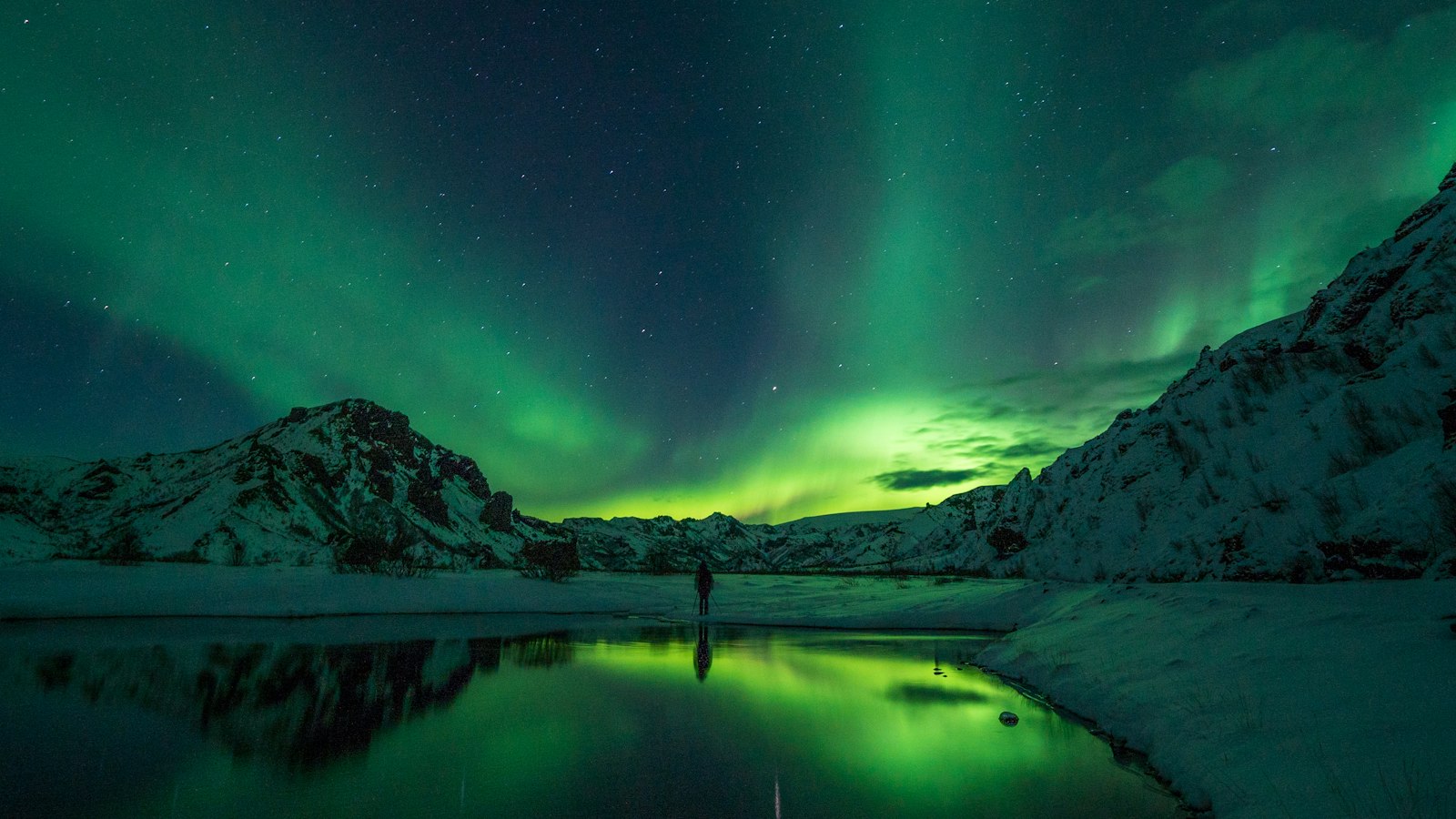
The long, dark nights provide prime viewing conditions for the Northern Lights, especially outside city limits. Patience is important, as weather and aurora activity can be unpredictable, but January’s darkness makes sightings likely.
Glaciers take on striking blue tones in January. Popular glacier hiking spots include Sólheimajökull near Reykjavík, Svínafellsjökull from Skaftafell Nature Reserve, and Breiðamerkurjökull at Vatnajökull glacier. Guided hikes and ice cave tours showcase these icy landscapes.
Soaking in geothermal pools and hot springs is a favourite winter pastime. Options range from natural hot pots like Seljavallalaug, Hrunalaug and Reykjadalur to public pools, as well as well-known sites such as the Blue Lagoon or Myvatn Nature Baths. Water temperature may vary more in natural pools. Advanced booking is often needed for popular options.
Horseback riding across snowy fields introduces visitors to the Icelandic horse, known for its thick winter coat and unique fifth gait. Tours are available for riders of any experience level.
The Golden Circle route, Þingvellir National Park, the Geysir Geothermal Area, and Gullfoss waterfall, looks particularly dramatic under winter conditions. Frozen waterfalls and geothermal activity create unique landscapes.
In Reykjavík, museums, street art, historic buildings, shops and restaurants offer warmth and culture. Sites include Hallgrímskirkja, the National Museum of Iceland, Harpa and the Reykjavík Art Museum. Some venues have winter hours, so checking ahead is recommended. Traditional food, including lamb and geothermally grown vegetables, features on many menus, and local food tours are available.
Practical tips for visiting
January travellers should bring waterproof, insulated clothing: base layers, gloves, hats and good boots are essential. Winter driving conditions, limited daylight and unpredictable weather mean planning is important.